Porcelain Veneers Consultation: What Changes the Plan?

A veneer consult starts with the tooth, not the promise. Enamel, gums, bite forces, fillings, shade goals, and wear can all change the plan.

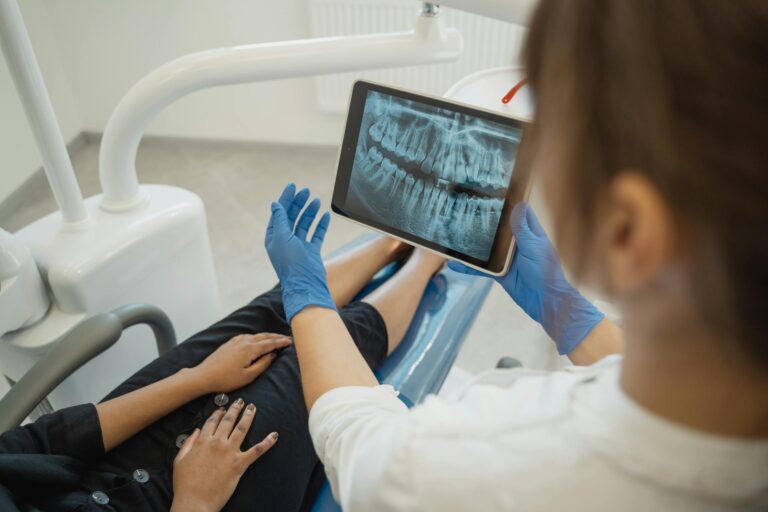
A veneer consult starts with the tooth, not the promise. Enamel, gums, bite forces, fillings, shade goals, and wear can all change the plan.

Considering whitening, bonding, or veneers? Whitening usually comes first when shade matching matters, but the right order depends on your exam.
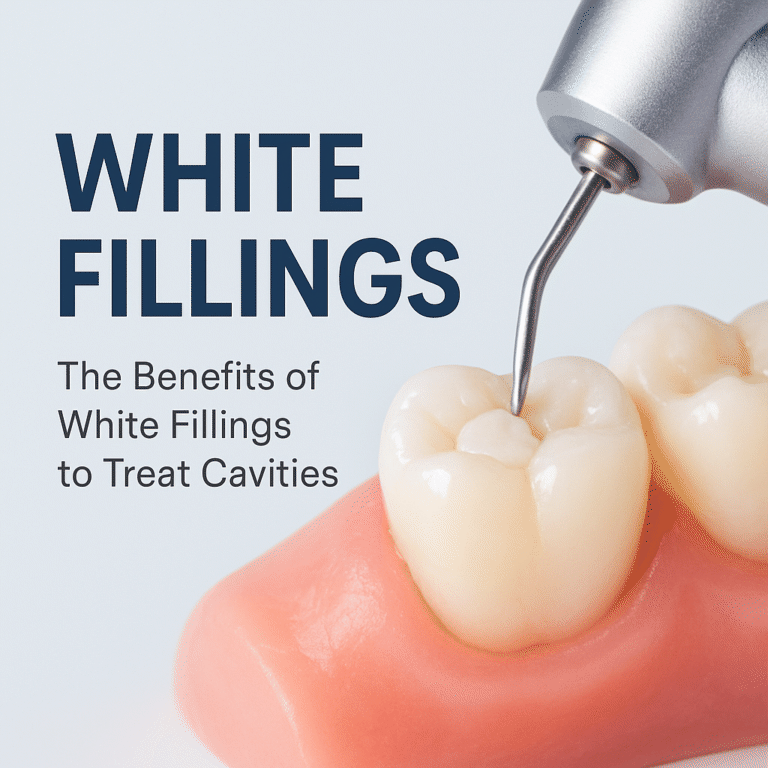
Small crown or filling defects may sometimes be repaired. More extensive decay, fracture, leakage, or tooth loss often makes replacement more likely.

A back tooth with a large old filling, a crack, or root canal treatment may need more than another filling. See how dentists decide between options.

If dentures feel loose, sore, or harder to chew with, these questions can help you compare adjustment, reline, repair, replacement, and implant options.
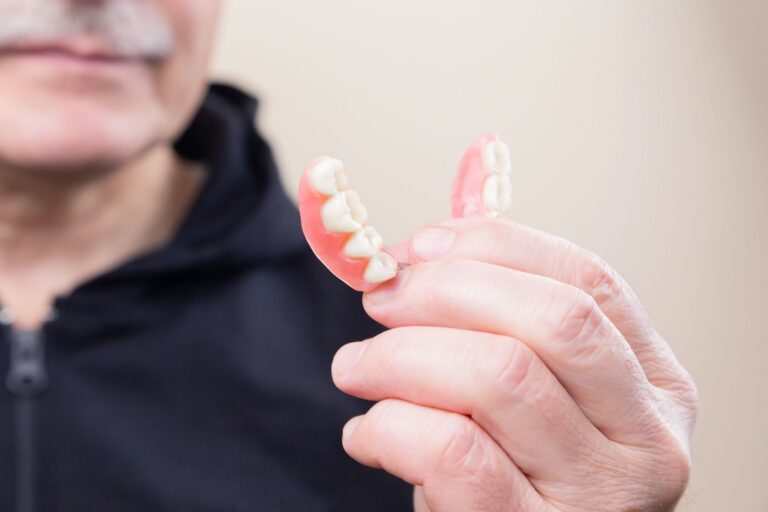
CDCP may help with some removable dentures, but bridges and implants are excluded. Learn how eligibility, preauthorization, limits, and office participation affect your bill.
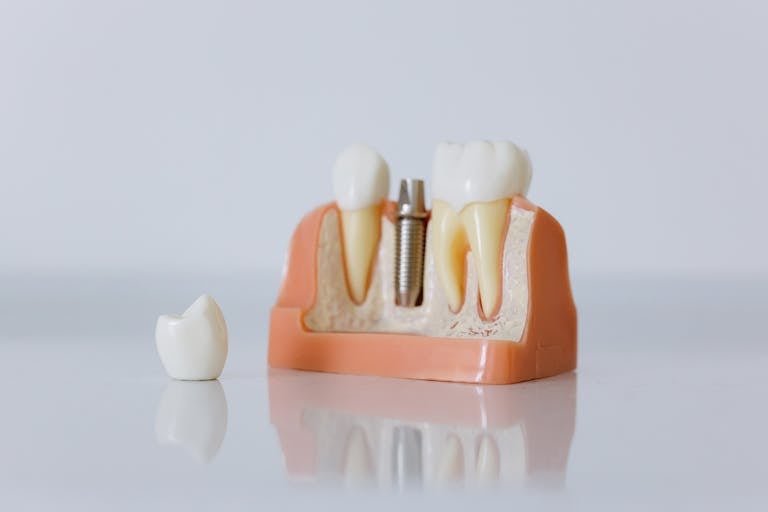
Compare an implant crown, bridge, or partial denture for one or a few missing teeth. Learn how support, cleaning, comfort, and coverage differ.
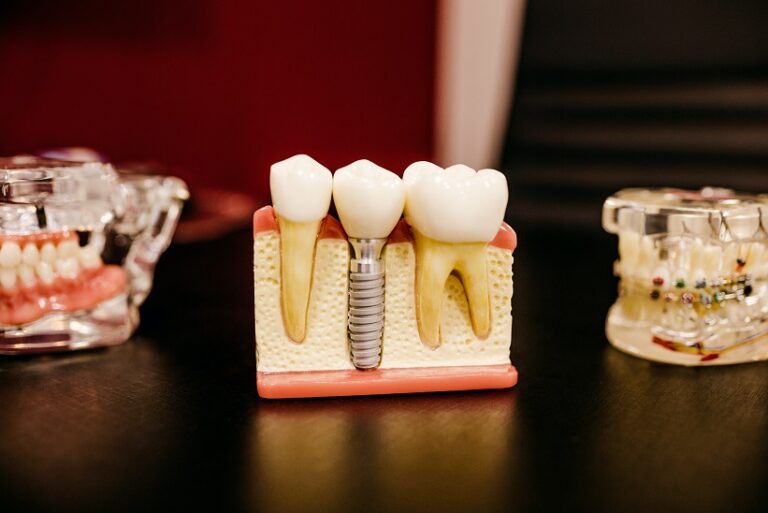
If a bone graft was mentioned before an implant, ask why it’s needed, whether 3D imaging helps, how healing works, and what it may cost in Canada.
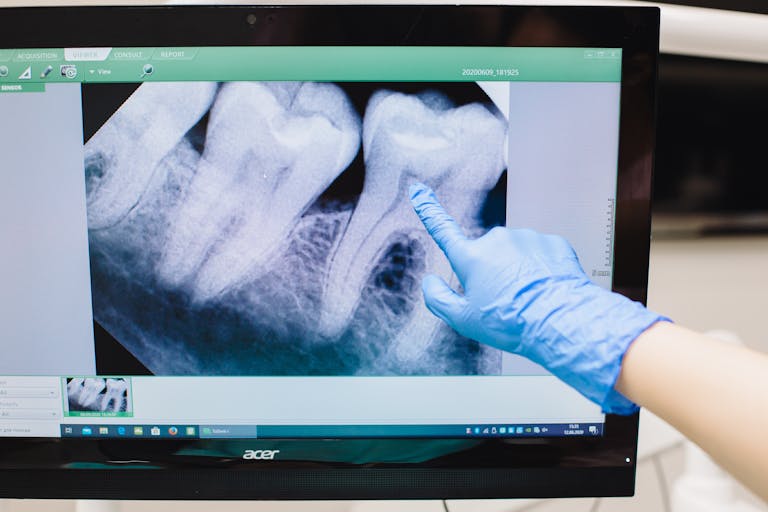
CBCT can show 3D bone, nerve, and sinus anatomy before implants. It helps planning, but it does not replace the exam or guarantee success.
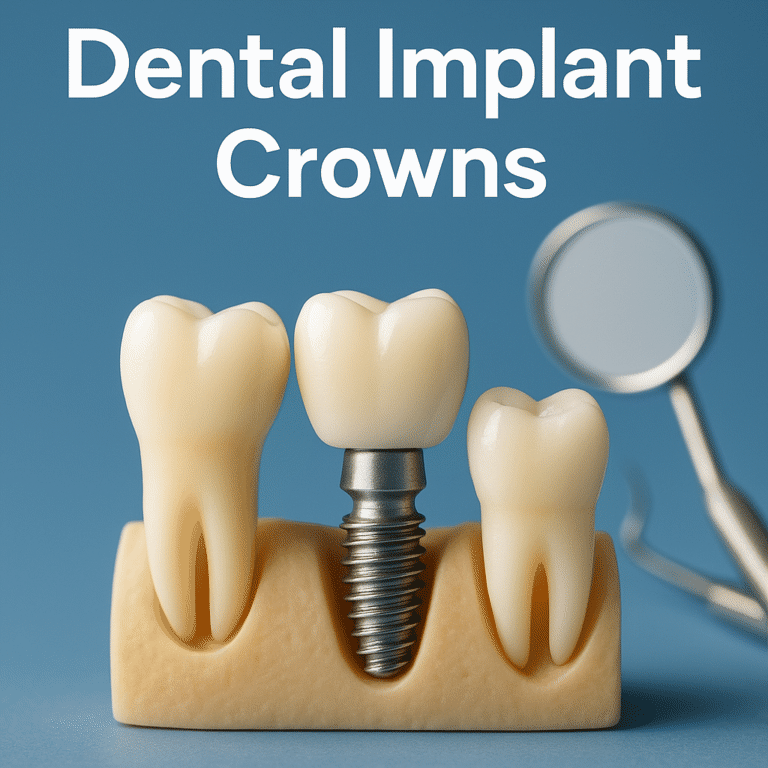
For one missing tooth or a small gap, implants, bridges, and partial dentures differ in support, cleaning, and cost—and Canadian coverage can shape the choice.
A first implant visit is usually a planning appointment. Learn what dentists check, when imaging helps, and what the next steps may be.

A toothache doesn’t automatically mean root canal treatment or extraction. Dentists use symptoms, the exam, and x-rays to see whether the tooth can still be saved.
End of content
End of content