
FAMILY DENTISTRY
Regular examinations, professional cleanings and practical home-care guidance help us spot changes early and build a maintenance plan around your individual risk.
HomePreventive Dental Care
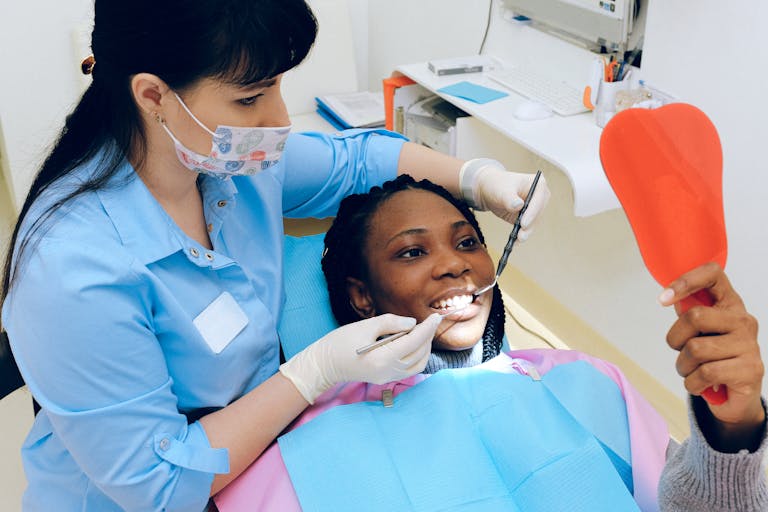

FAMILY DENTISTRY
Stay ahead of cavities, gum problems and unexpected dental work.
Regular examinations, professional cleanings and practical home-care guidance help us spot changes early and build a maintenance plan around your individual risk.
- A checkup schedule based on your needs
- Professional cleaning and gum-health monitoring
- X-rays and preventive treatments only when indicated
- Practical guidance for brushing, flossing and diet
WHAT TO EXPECT
How preventive care helps protect your smile.
01
What a preventive visit may include
A preventive visit may include an examination, professional cleaning, gum measurements, oral cancer screening and diagnostic images when they are clinically useful. The exact visit depends on your age, oral health and existing dental work.
You will also have time to mention sensitivity, bleeding, dry mouth, changes in your bite or anything else that has been bothering you.
02
A schedule based on your risk
Not everyone needs the same recall interval. Cavity history, gum health, dry mouth, smoking, diabetes, orthodontic appliances and the amount of dental work already present can all affect how often monitoring or cleaning is useful.
After examining you, the dentist can recommend a schedule and explain why that timing makes sense.
03
Extra protection when it is useful
Fluoride, sealants, desensitizing products or other preventive measures may be recommended when they address a specific risk. These options are not limited to one age group and are discussed only when there is a practical reason to use them.
04
Small changes that support daily care
Brushing technique, interdental cleaning, snack frequency and dry-mouth management can make a meaningful difference between visits. We focus on realistic adjustments that fit your routine instead of giving generic instructions that are hard to maintain.
RELATED SERVICES
Related Dental Care
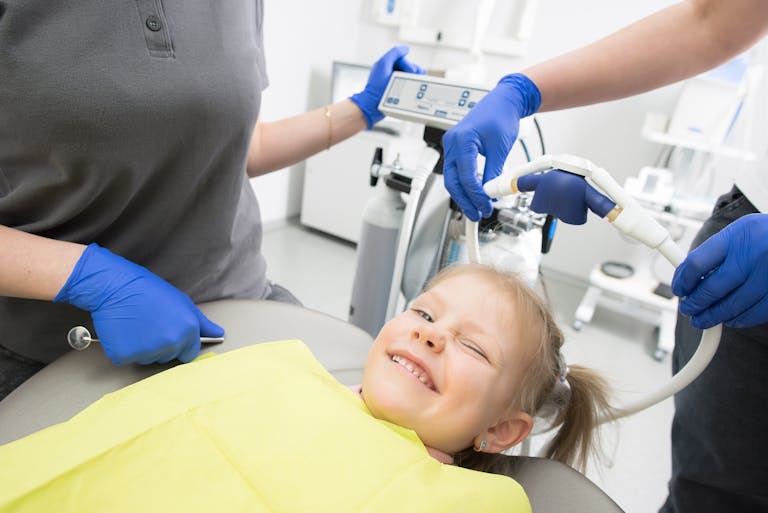
Children’s Dental Care
Gentle visits, growth monitoring and prevention guidance for a child’s developing smile.

Adult Dental Care
Preventive, restorative and gum care planned around adult health and priorities.
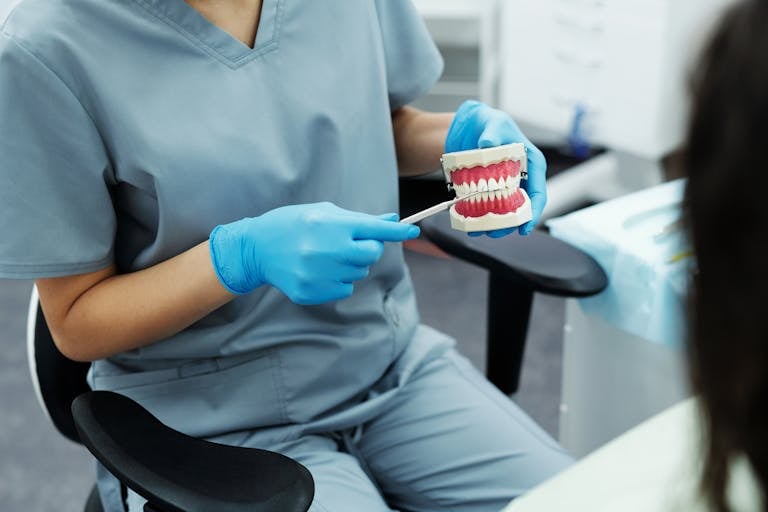
COMMON QUESTIONS
Preventive care questions
Find answers about checkup timing, cleanings, X-rays, fluoride and the early signs of gum problems.
How often should I have a dental checkup?
The right interval depends on your oral health, existing dental work, medical history and risk factors. Your dentist will recommend a schedule after examining you.
What is included in preventive dental care?
A preventive visit may include an examination, professional cleaning, oral cancer screening, gum measurements, X-rays when needed and guidance for home care.
Are fluoride or sealants only for children?
These treatments are commonly used for children, but they may also help selected adults. The dentist will explain whether they are useful for your individual cavity risk.
How often are dental X-rays needed?
The timing depends on age, symptoms, cavity risk, gum health and earlier findings. They are not automatically required at every visit.
Why is professional cleaning still important if I brush and floss?
Home care is essential, but hardened deposits cannot be removed with a toothbrush or floss. A cleaning also provides an opportunity to review gum health and areas that are difficult to reach.
What early signs of gum problems should I notice?
Bleeding, persistent bad breath, tenderness, recession, swelling or teeth that feel loose should be discussed. Gum disease can also be present with few obvious symptoms, which is why measurements matter.
What can I do between professional visits?
Brush twice daily with fluoride toothpaste, clean between the teeth, limit frequent sugar exposure and contact the office when symptoms or changes appear.
How does diet affect cavity risk?
How often teeth are exposed to sugars and refined carbohydrates matters as well as the amount. Saliva, fluoride, snacking patterns and home care also influence risk.
Is oral cancer screening part of a checkup?
A routine examination commonly includes checking the lips, tongue, cheeks, palate, throat and neck for unusual changes. Tell the dentist about sores, lumps or symptoms that persist.
READY FOR YOUR NEXT VISIT?
Keep routine dental care moving forward.
Request an appointment online or call the office at 905-529-2164.