
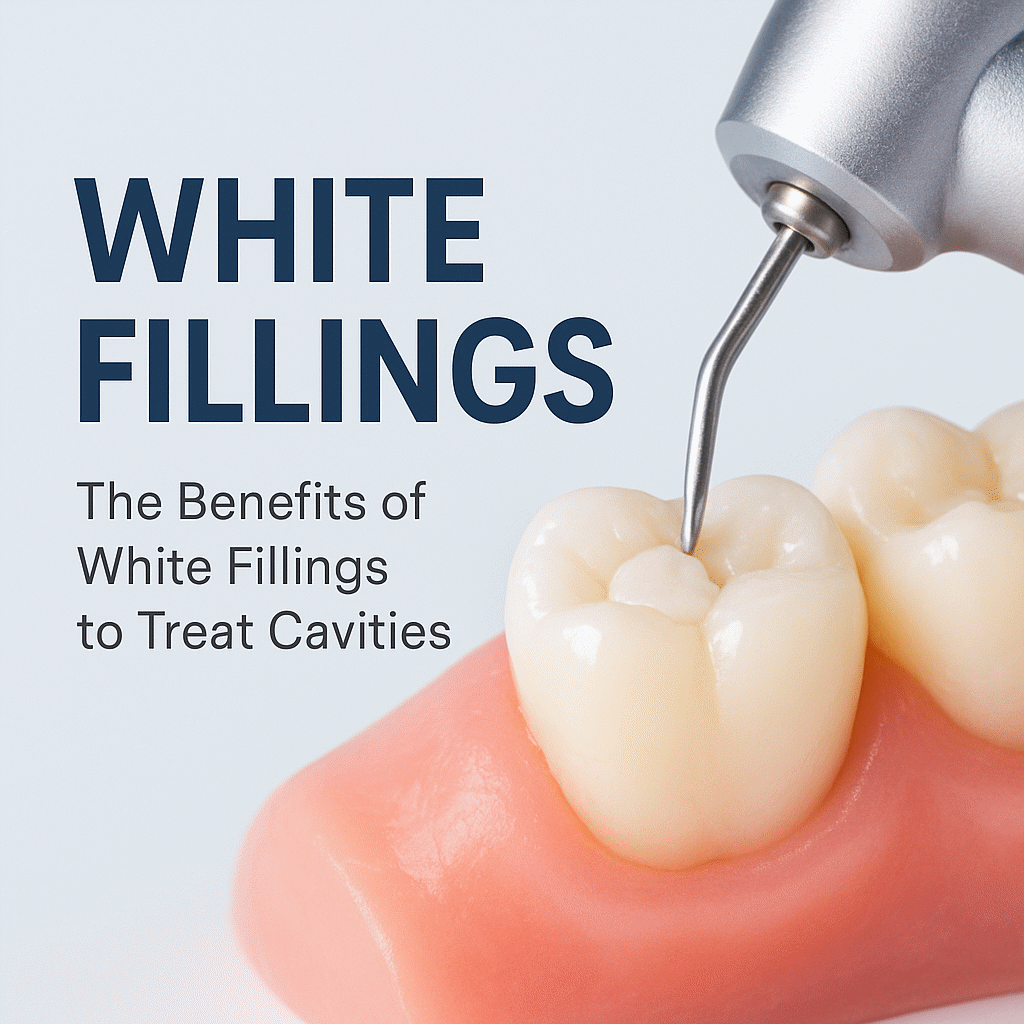
When a Failed Crown or Large Filling Can Be Repaired or Replaced
Why repair versus replacement is not automatic
A crown or large filling does not always need to be removed right away. The real question is whether the restoration is still sound enough to keep. If the problem is small and local, a repair may be possible. If the tooth has lost too much structure, or if decay or fracture has spread, replacement is more likely.
If you want a refresher on why crowns are used in the first place, see the crown treatment page.
Common ways a crown or large filling starts to fail
Patients often notice one of these changes first:
- a rough edge or chip
- food catching at the margin
- a crown that feels loose
- a dark line or visible gap at the edge
- sensitivity when chewing or with cold, though symptoms can have several causes
- a filling that has cracked, worn down, or broken at one side
These signs do not tell the whole story. Similar symptoms can come from wear, bite forces, leakage, recurrent decay, or a crack in the tooth itself.
What dentists look for on exam and X-rays
During an assessment, a dentist usually looks at the size and location of the defect, whether there is recurrent decay, whether the edge of the crown or filling has opened up, how well the restoration is still retained, and how much healthy tooth remains underneath.
X-rays and close visual exam help show what cannot be seen easily from the outside. A small visible chip may hide a larger problem under the surface, while a rough edge may turn out to be only a local defect.
When a repair may be enough
Small, localized problems may sometimes be repaired rather than replaced automatically. That can include a limited defect at the crown margin, a minor chip, or a small area of fracture where the rest of the restoration still appears stable.
This is where conservative dentistry can help preserve tooth structure. Recent reviews and clinical reports suggest repair is a reasonable option for selected partial defects, although study designs vary and some crown-margin repairs need later reintervention. Some of the evidence is observational or laboratory-based, so the decision remains case by case. In other words, a repair can be sensible, but it is not always a .
When replacement is more likely
Replacement becomes more likely when the problem is broader. That includes recurrent decay under or beside the restoration, an open margin that keeps leaking, a crown or filling that is loose, a fracture that reaches deeper into the tooth, or too little healthy tooth left for a durable repair.
Once tooth structure is too compromised, patching the old restoration may not give a reliable result. In those cases, the dentist may recommend replacing the restoration so the tooth can be cleaned, rebuilt, and sealed more predictably.
A brief Canada note on planning and coverage
If crown treatment is being considered, Canadian public-program rules or dental benefit plans may affect preauthorization, documentation, or out-of-pocket cost. Those rules can matter for planning, but they do not decide whether treatment is clinically needed.
Questions to ask at the appointment
If you are deciding between repair and replacement, these questions can help:
- What exactly failed?
- Is the problem limited to the edge, or is there deeper decay or fracture?
- Will a repair likely last, or is replacement more predictable?
- How much healthy tooth is still supporting the restoration?
- What would happen if I waited for a while?
Those answers usually matter more than the visible symptom alone.
When to book an assessment
If you are in Hamilton and a crown feels loose, food keeps getting caught, or a filling edge feels rough, book an assessment rather than waiting for it to worsen. Severe pain, swelling, or a recent hit to the tooth deserves sooner care.
Key sources
- Canadian Dental Association – Filling Repair Guidance
- Journal of Dentistry – Repair vs Replacement Meta-analysis
- Government of Canada: CDCP Dental Benefits Guide
This article is for general education only and does not replace personalized advice, diagnosis, or treatment from a licensed dentist.