
CDCP and Missing Teeth: Dentures, Bridges, and Implants
If you are missing one or more teeth and wondering whether the Canadian Dental Care Plan (CDCP) will help, the short answer is: sometimes for removable dentures, but not for bridges or implants. The details matter. Eligibility comes first, then the specific treatment, then whether preauthorization, limits, or extra fees apply.
Start with eligibility
CDCP coverage only matters if you meet the plan’s rules. In general, that means you must qualify based on family income and access to dental insurance, and you must be enrolled in the plan. If you are not eligible, the coverage question comes later.
What CDCP may cover for dentures
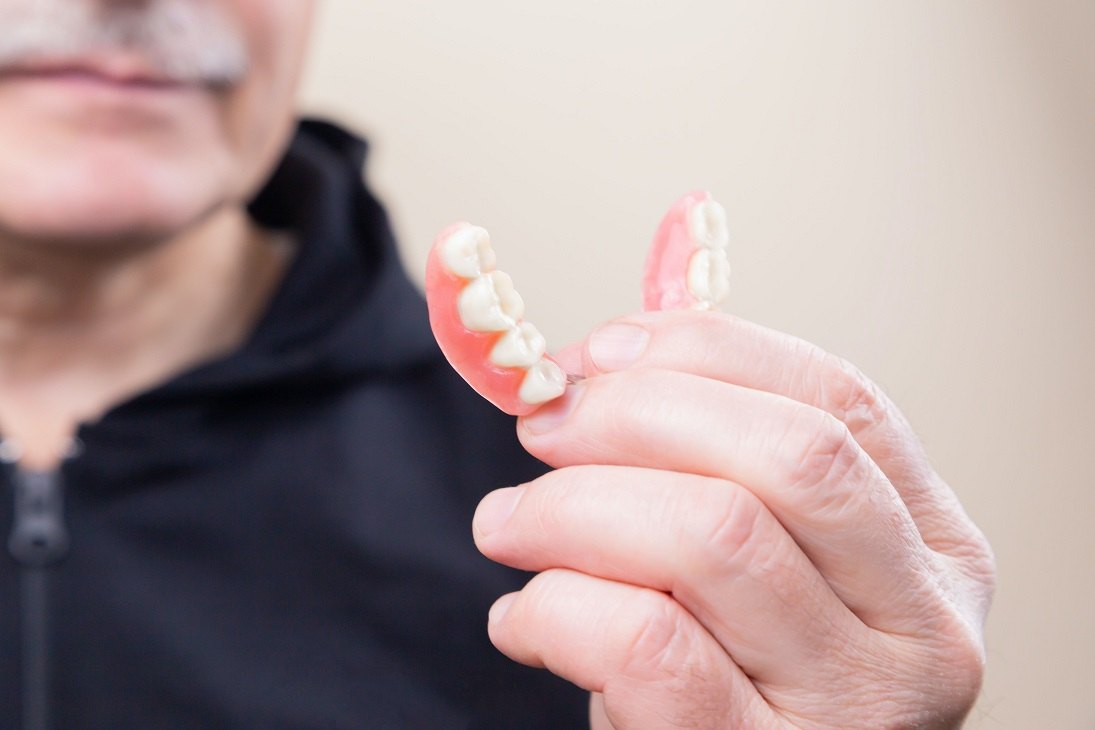
Removable partial and complete dentures can be covered under CDCP when the service fits the plan rules. That does not mean every denture is fully paid for. Coverage can depend on the exact treatment, the clinical reason for it, and the plan limits in place at the time of care.
- Ask whether your denture is a removable partial or complete denture.
- Ask whether the service needs preauthorization before treatment starts.
- Ask whether the replacement is within the plan’s frequency rules.
Depending on your income and the service involved, you may still have a co-payment or other charges that the plan does not cover.
Bridges and implants are excluded
CDCP does not cover fixed bridges. It also does not cover implants or implant-related treatment. If you are comparing tooth-replacement choices, the coverage answer is different from the clinical answer. For example, our dental implants page explains the treatment itself, but CDCP coverage for implants is still excluded under current federal rules.
Why preauthorization and limits matter
Some denture services need preauthorization, which means the plan review has to happen before treatment is completed. CDCP also has frequency limits and other benefit rules, so a denture replacement is not automatically covered every time a patient asks for one. If a step needs review, do not assume it will be paid until the approval is in place.
Ask about provider participation and billing
Not every dental office participates in CDCP or is set up to bill it the same way. Before you book, ask whether the office can bill CDCP directly and how they handle claims and unpaid balances. A clear answer now can prevent a surprise later.
What you may still owe
Even when CDCP applies, you may still owe part of the fee. Co-payments, non-covered items, and services outside the plan’s rules can add to the final bill. The safest way to plan is to ask for a written estimate that separates:
- what CDCP may cover,
- what is not covered, and
- what balance may remain for you.
Questions to ask before treatment
- Does my plan cover the denture I need, or does it need preauthorization?
- Is this a removable denture, a bridge, or an implant-related plan?
- How often can CDCP help with this type of replacement?
- Will your office bill CDCP directly, or will I pay part of the fee at the visit?
- Can I get the estimate in writing before I decide?
A calm next step in Hamilton
If you live in Hamilton and want help sorting out your options, a short planning visit can help match the treatment plan to your oral health needs and budget. If you are comparing replacement choices, start with the coverage question first, then talk through the clinical options.
Key sources
This article is for general education only and does not replace personalized advice, diagnosis, or treatment from a licensed dentist.