
ORAL SURGERY
If you are considering an implant, extraction or another selected procedure, we explain what we see, what the options are and what recovery may involve.
HomeOral Surgery
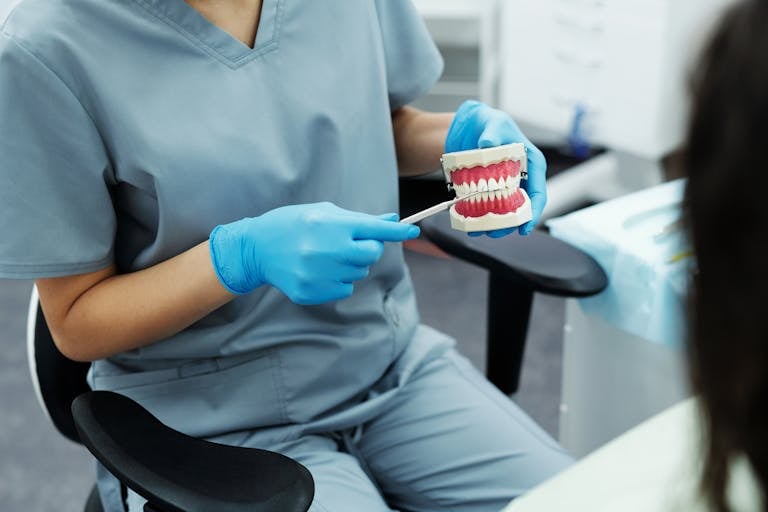

ORAL SURGERY
Plan surgical dental care with clear answers and next steps.
If you are considering an implant, extraction or another selected procedure, we explain what we see, what the options are and what recovery may involve.
- Implant and extraction assessment
- Health history and diagnostic images reviewed
- Alternatives and recovery discussed before treatment
- Follow-up and restoration coordinated when possible
TREATMENTS AND NEXT STEPS
Explore implants, extractions and other surgical care.
Choose a treatment to learn what it may help with, what the visit may involve and which alternatives may be discussed.
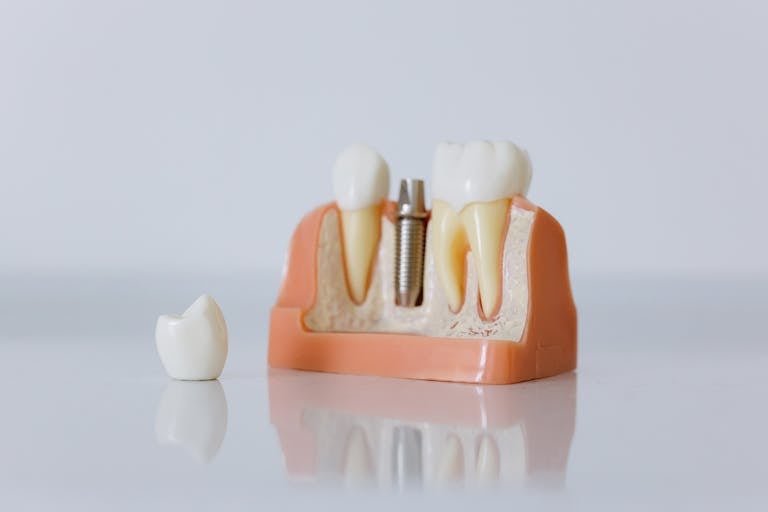
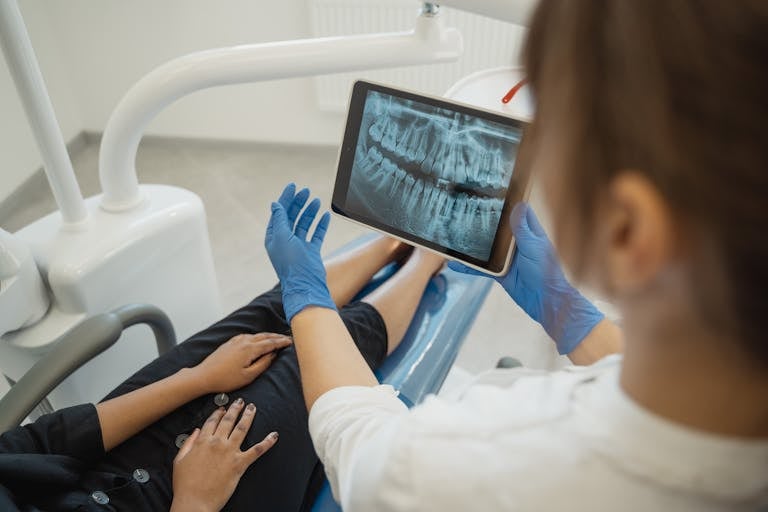
Tooth Extractions
Remove a tooth that cannot be predictably restored, with clear planning for healing and replacement when needed.
Wisdom Teeth Removal
Assess and remove problematic third molars when there is a clear clinical reason.

Impacted Canines
Coordinate surgical exposure of an unerupted canine with an orthodontic treatment plan.
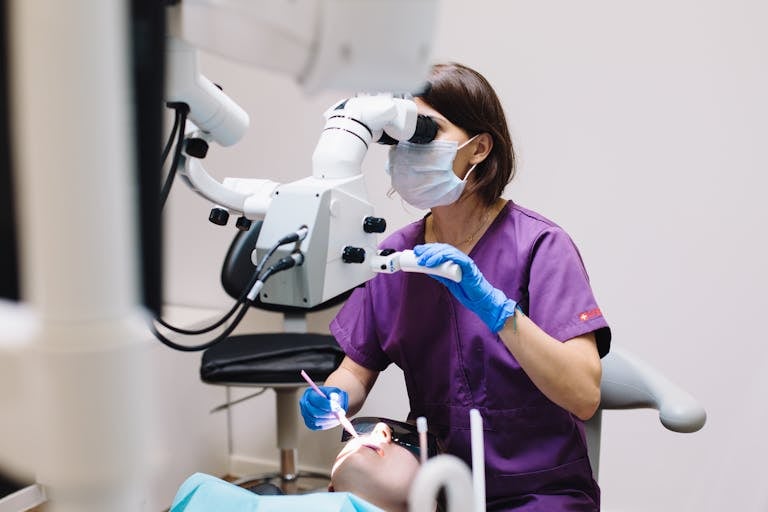
Apicoectomy
Treat a persistent problem at the tip of a tooth root when root-end surgery is appropriate.
- Whitening before bonding or veneers: what comes first?
 Considering whitening, bonding, or veneers? Whitening usually comes first when shade matching matters, but the right order depends on your exam.
 - Why Retainer Follow-Up Matters After Invisalign
 After Invisalign, retainer follow-up helps catch fit problems, wear, or early shifting before a small issue becomes harder to fix.
 - When a Failed Crown or Large Filling Can Be Repaired or Replaced
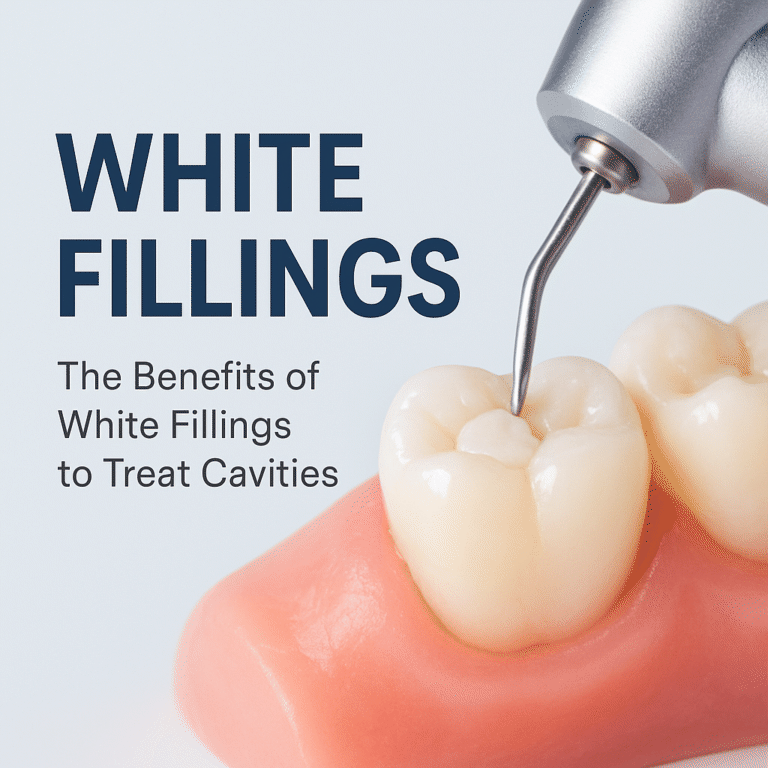 Small crown or filling defects may sometimes be repaired. More extensive decay, fracture, leakage, or tooth loss often makes replacement more likely.
COMMON QUESTIONS
Oral surgery questions
Find answers about planning, recovery, referrals and when surgical dental care may be appropriate.
What happens before an oral surgery procedure?
Your dentist reviews your health history, examines the area and explains any needed imaging, treatment alternatives, expected recovery and consent.
Will my procedure be completed at Excel Dental?
The dentists provide selected procedures. When a referral is more appropriate, we will explain why and help you understand the next step.
How should I prepare for the procedure?
Preparation depends on the procedure and any planned medication or sedation. Follow the written instructions from the dental team and ask questions before the appointment.
What should I expect during recovery?
Tenderness, swelling and activity restrictions vary by procedure. You will receive instructions for eating, cleaning, medication and signs that should prompt a call to the office.
Will I need someone to drive me home?
That depends on the procedure and whether sedating medication is used. The office will tell you in advance when an escort and transportation arrangement are required.
Why might a specialist referral be recommended?
A referral may be appropriate because of anatomy, medical history, procedure complexity, sedation needs or the benefit of specialist equipment and experience.
Will I need X-rays or three-dimensional imaging?
Imaging depends on the procedure and anatomy. The dentist will explain which images are needed to plan safely and whether a CBCT scan or specialist assessment is appropriate.
What foods are usually easiest after oral surgery?
Soft, cool or lukewarm foods are often easier at first. Follow the procedure-specific instructions and avoid foods or habits that can disturb the area.
When should I call during recovery?
Contact the office for bleeding that does not settle, increasing swelling or pain, fever, a bad taste with drainage, breathing or swallowing difficulty, or any concern listed in your instructions.
READY FOR YOUR NEXT VISIT?
Keep routine dental care moving forward.
Request an appointment online or call the office at 905-529-2164.