
RESTORATIVE DENTISTRY
A crown may help when a tooth is cracked, heavily filled, weakened after root canal treatment or needs to be restored on a dental implant.
HomeDental Crowns

RESTORATIVE DENTISTRY
Strengthen a damaged tooth and restore comfortable function.
A crown may help when a tooth is cracked, heavily filled, weakened after root canal treatment or needs to be restored on a dental implant.
- See why a crown is being recommended
- Compare material and colour options
- Know what to expect at each visit
- Learn how to care for the tooth afterward
WHAT TO EXPECT
What to expect with a dental crown.
01
When you may need a crown
A crown covers the visible portion of a tooth. It may be recommended when a tooth has lost too much structure for a filling alone, has fractured, has a large existing restoration or needs protection after root canal treatment.
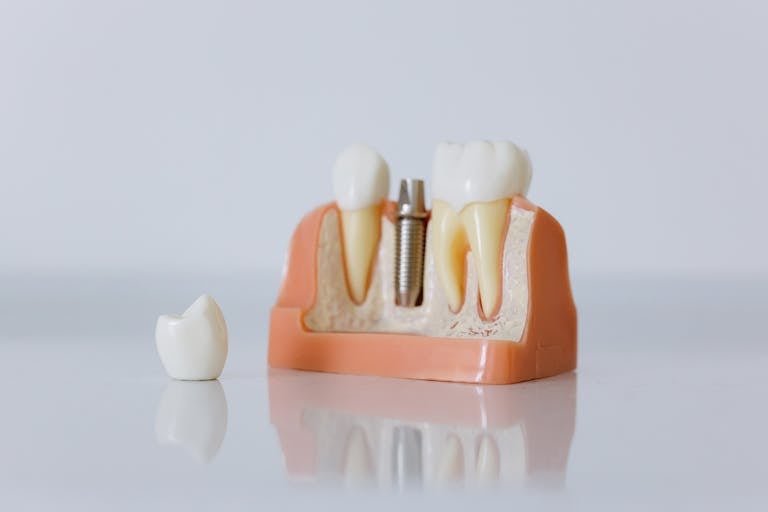
A crown can also form the visible replacement tooth on a dental implant. The recommendation should be based on the condition of the tooth, the bite, available alternatives and the amount of healthy structure that remains.
02
What happens during treatment
The tooth is shaped to create space for the restoration and to provide a stable foundation. Records are then made for the dental laboratory or digital design process. A temporary restoration may protect the tooth while the final crown is prepared.
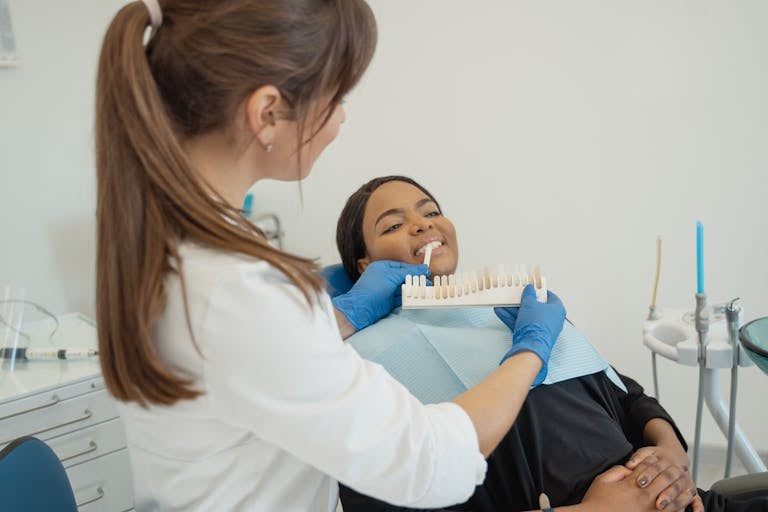
At the insertion visit, the dentist checks the fit, contacts with neighbouring teeth, appearance and bite before the crown is secured.
03
Choosing the material and shade
Crown materials have different strengths, translucency and space requirements. The location of the tooth, visible colour, bite forces, existing restorations and personal preferences all influence the choice.
The goal is a restoration that works with the surrounding teeth—not simply one that looks bright in isolation.
04
Caring for your crowned tooth
The edge where the crown meets the tooth must be cleaned carefully because the underlying tooth can still develop decay. Regular examinations also allow the dentist to monitor the crown, the supporting tooth and changes in the bite.
RELATED SERVICES
Related Dental Care
COMMON QUESTIONS
Dental crown questions
Find answers about why a crown may be recommended, material choices, treatment visits and caring for the restored tooth.
Why might a tooth need a crown?
A crown may be recommended when a tooth is cracked, heavily filled, worn, weakened after root canal treatment or needs to support a particular restoration.
How many visits does a crown usually require?
Many crowns involve a preparation visit and a later placement visit after the laboratory makes the restoration. The exact process depends on the tooth and material.
How is the crown material chosen?
The dentist considers tooth location, bite forces, appearance, remaining tooth structure, material properties and your preferences.
Is sensitivity normal after a crown is placed?
Temporary temperature or biting sensitivity can occur. Contact the office if discomfort is strong, worsening, persistent or the bite feels uneven.
How long can a crown last?
Longevity varies with bite, grinding, decay risk, oral hygiene and the condition of the supporting tooth. Crowns require ongoing monitoring and may eventually need replacement.
Does every crowned tooth need root canal treatment?
No. Root canal treatment is recommended only when the pulp is inflamed, infected or otherwise cannot recover. A crown alone does not automatically require it.
Will I need a temporary crown?
Many crowns involve a temporary restoration while the final crown is made. Follow instructions about chewing and call if the temporary becomes loose or uncomfortable.
How is a crown checked at future visits?
The dentist checks the crown’s margins, bite, surrounding gum and supporting tooth. X-rays may be recommended when needed to look for decay or changes beneath the restoration.
What should I do if a crown feels loose or chips?
Avoid chewing on the area and contact the office. Keep any loose piece and do not use household glue. The tooth and restoration should be assessed before repair or replacement.
READY FOR YOUR NEXT VISIT?
Keep routine dental care moving forward.
Request an appointment online or call the office at 905-529-2164.