
Porcelain Veneers Consultation: What Changes the Plan?
What a veneer consultation is really for
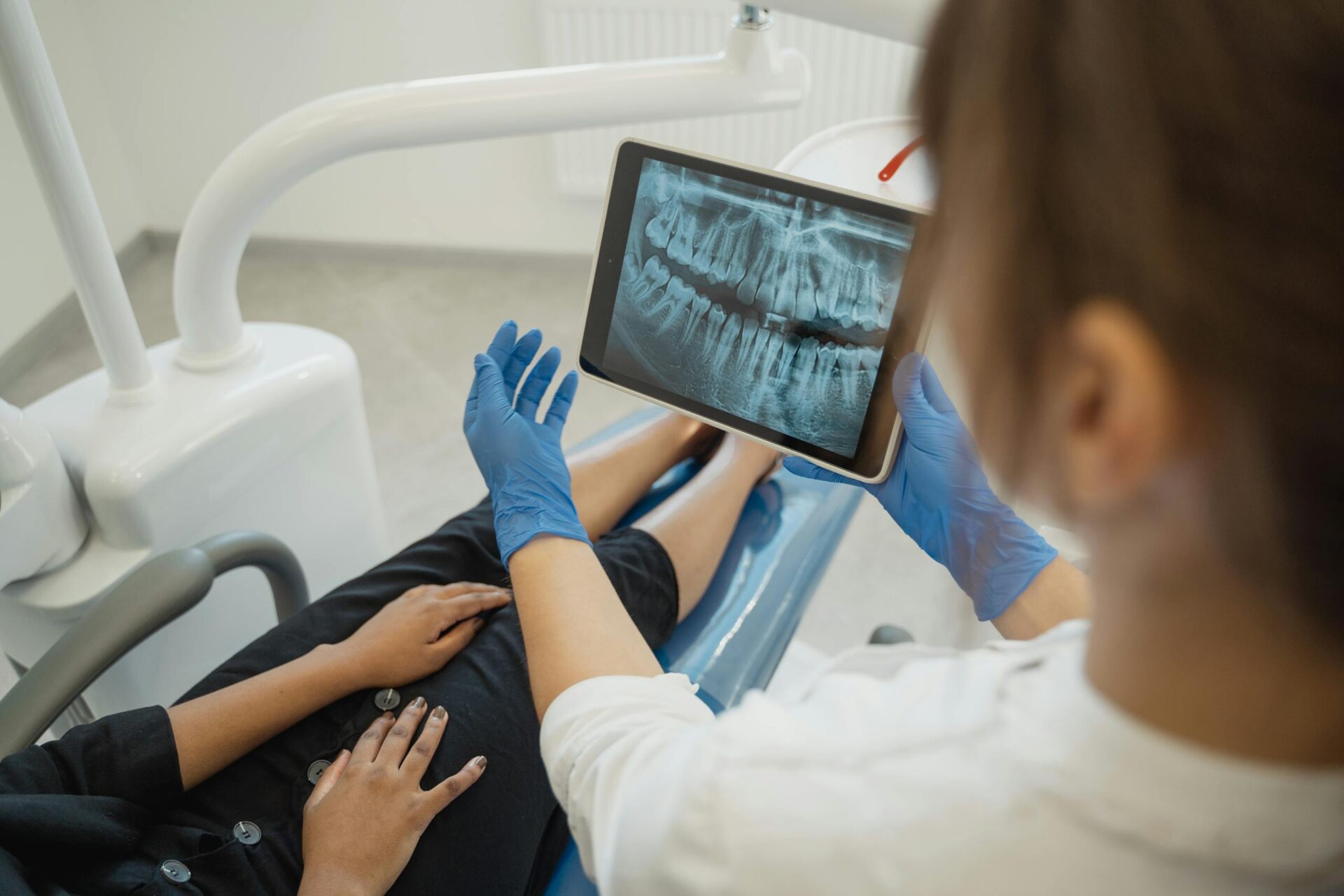
Porcelain veneer planning starts with diagnosis and treatment planning. During a consultation, the dentist looks at the tooth, the gums, the bite, and your cosmetic goals before deciding whether veneers are a good fit. Ontario guidance expects treatment options to be identified, discussed, and consented to before care begins.
That matters because two teeth that look similar from the outside can need very different treatment plans underneath.
What the dentist checks first
- How much enamel is available. Veneers bond best to enamel. If a tooth has lost a lot of enamel, the bond and long-term predictability may change.
- Gum health. Healthy gums help support cosmetic work. If there is active gum disease or inflammation, that may need attention first.
- Bite forces and habits. Clenching, grinding, and heavy biting forces can affect how a veneer is designed and how much risk it carries.
- Existing dental work or damage. Large fillings, old bonding, cracks, chips, decay, or heavy wear can change whether a veneer, a crown, or another option makes more sense.
- Tooth position and spacing. Veneers can change shape and colour, but they do not move teeth. If alignment is the main concern, orthodontics or aligners may come first.
How your goals affect the plan
Shade, shape, length, and symmetry all matter. Some patients want a small improvement. Others want a bigger change. The plan usually becomes clearer when the dentist compares what you want with what the tooth can safely support.
If the main goal is a brighter shade, whitening first may make sense. It can help the final result look more natural, and in some cases it may reduce how much the veneer needs to change the tooth. Veneers can improve colour, but they cannot always solve every staining problem on their own.
Shape matters too. A small edge adjustment may be possible with veneer design or composite bonding. A tooth that is short, heavily worn, or missing a lot of structure may need a different restoration.
When the plan may shift to another option
A veneer consultation should include alternatives, not just veneers. Depending on the tooth and your goals, the plan may shift toward:
- Whitening for colour change
- Composite bonding for small chips, minor shape changes, or less extensive repair
- Orthodontics or aligners when tooth position is the main concern
- Crowns when a tooth has a lot of existing restoration, wear, fracture risk, or structure loss
- No immediate treatment if the best choice is to monitor the tooth for now
That is not a sign that veneers are a poor option in general. It simply means the right answer depends on the tooth in front of the dentist, not on the smile photo alone.
What to expect over time
Porcelain veneers are durable, but they are not permanent. Reviews show good long-term survival overall, yet chipping, wear, debonding, and other maintenance needs can still happen. Results vary with the amount of enamel available, bite forces, restoration design, the tooth itself, and day-to-day habits.
Recent evidence suggests veneers bonded to enamel tend to perform more predictably than veneers that rely more heavily on dentin. That does not mean a tooth with less enamel automatically cannot be treated; it just means the plan may need to be more conservative or the dentist may recommend another option.
Good questions to ask at the consult
- Do I need whitening first?
- Is bonding a better first step for this tooth?
- Would orthodontics or aligners help more than veneers here?
- Is there enough enamel for a reliable bond?
- Would a crown be more durable for this tooth?
- What kind of maintenance should I expect over time?
Hamilton next step
If you are thinking about veneers in Hamilton, a consultation can help you compare options before you decide. You can start with our porcelain veneers page and ask whether whitening, bonding, aligners, or a crown may be a better first step for your tooth.
Key sources
- RCDSO Diagnosis and Treatment Planning
- Canadian Dental Association: Bonding and Veneers
- Ceramic Veneers on Enamel vs Dentin
This article is for general education only and does not replace personalized advice, diagnosis, or treatment from a licensed dentist.