Root canal or extraction: how dentists decide when a tooth hurts

A toothache doesn’t automatically mean root canal treatment or extraction. Dentists use symptoms, the exam, and x-rays to see whether the tooth can still be saved.

Root Canal: Delve into the world of root canals with our comprehensive articles. Gain a deeper understanding of the procedure, its significance, and how it can save an infected tooth.

A toothache doesn’t automatically mean root canal treatment or extraction. Dentists use symptoms, the exam, and x-rays to see whether the tooth can still be saved.

A very deep cavity does not always mean an immediate root canal. In carefully selected permanent teeth, selective caries removal and vital pulp therapy may help save more natural tooth structure. Here is how dentists decide when that may be reasonable, and when root canal treatment is still the better choice.
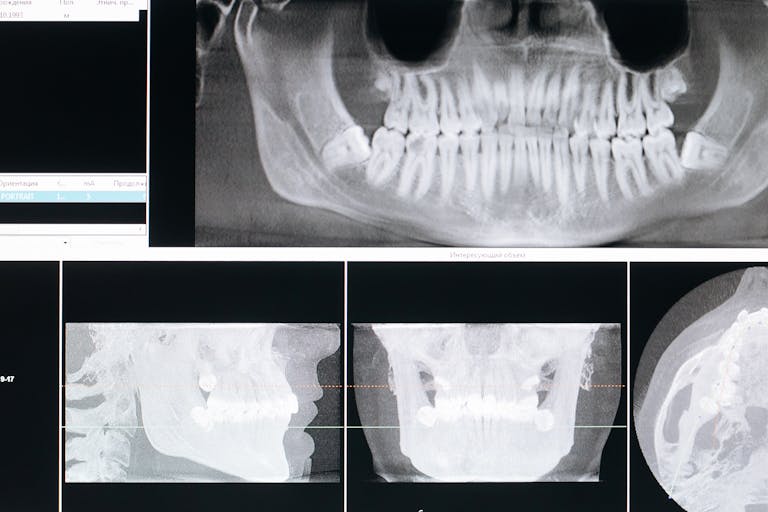
A cone-beam CT scan can add useful detail for some complex dental decisions, but it is not a routine replacement for standard X-rays. Learn when CBCT may help with implants, selected root canal problems, wisdom teeth, and other treatment-planning questions.

A broken tooth is not always lost, and it does not always need the same repair. Learn how dentists decide between bonding or a filling, an onlay, a crown, root canal treatment, or extraction based on the crack, the amount of healthy tooth left, and whether the tooth is truly restorable.

A toothache is a symptom, not a diagnosis. In many cases, antibiotics are not the treatment that solves the problem. Learn when dental care matters most, when antibiotics may be appropriate, and which warning signs need urgent attention.
Severe tooth pain often needs the right dental diagnosis and treatment, not antibiotics alone. Learn when a root canal may help, when antibiotics usually do not, and which warning signs need urgent assessment.
End of content
End of content