
FAMILY DENTISTRY
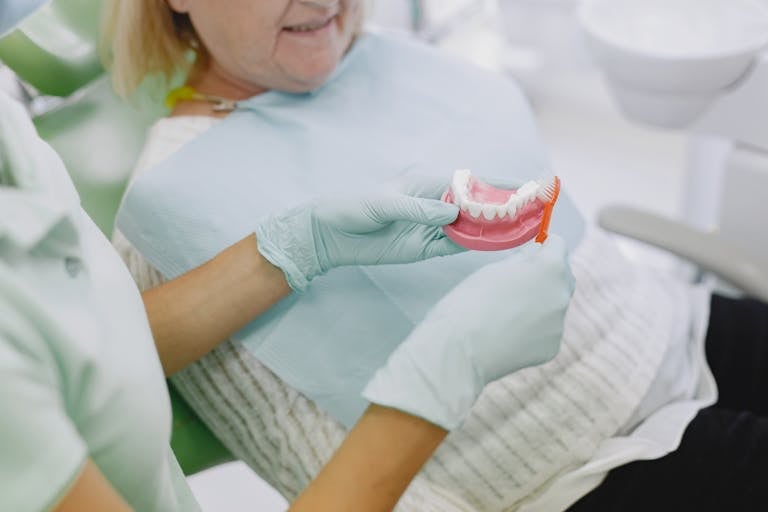
Senior dental care considers natural teeth, gums, existing restorations, dentures, medications, dry mouth, medical history and the practical details that make visits easier.
HomeSenior Dental Care

FAMILY DENTISTRY
Protect comfort, function and confidence as dental needs change.
Senior dental care considers natural teeth, gums, existing restorations, dentures, medications, dry mouth, medical history and the practical details that make visits easier.
- Care for natural teeth, gums and existing dental work
- Medication and dry-mouth concerns reviewed
- Denture and tooth-replacement options discussed clearly
- Appointments adapted to comfort, mobility and support needs
WHAT TO EXPECT
Dental care for changing health and comfort needs.
01
Keeping natural teeth and gums healthy
Older adults can continue to benefit from preventive care, gum monitoring and timely repairs. The dentist checks for decay around older restorations, exposed roots, tooth wear, mobility and changes in the tissues of the mouth.
Cleaning tools and techniques can be adapted when dexterity, vision or mobility makes home care more difficult.
02
Dry mouth, medications and medical history
Many medications and health conditions can reduce saliva or influence bleeding and healing. Bring an up-to-date medication list so the dentist can identify possible oral effects and suggest practical ways to protect comfort and reduce cavity risk.
03
Dentures, implants and existing dental work
Dentures and implant-supported teeth still need regular review. Fit, wear, cleaning access, gum health and the condition of any remaining teeth all affect comfort and function.
If a denture becomes loose or a restoration is failing, the dentist can explain adjustment, repair, replacement and tooth-replacement options.
04
Making visits easier and more comfortable
Tell the office about mobility, hearing, anxiety, transportation or caregiver needs when booking. A family member or support person may participate with the patient’s permission, and treatment can be paced around health and comfort considerations.
RELATED SERVICES
Related Dental Care
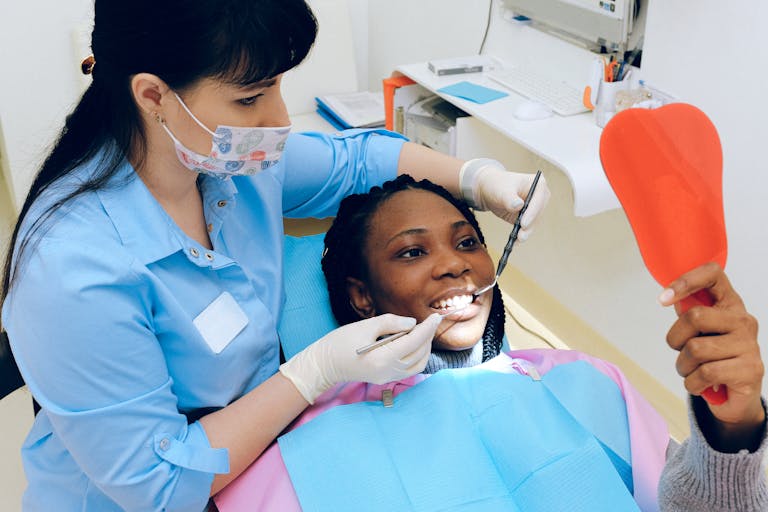
Restorative Dental Care
Fillings, crowns and other options to repair damaged teeth and restore comfortable function.
COMMON QUESTIONS
Senior dental care questions
Find answers about dry mouth, medications, existing dental work, dentures and making visits easier.
Do dental visits still matter if I wear complete dentures?
Yes. The dentist checks the gums, oral tissues, jaw support, denture fit and any signs that the appliance or tissues need attention.
Why should I bring a medication list?
Some medications can affect saliva, bleeding, healing or treatment planning. An up-to-date list helps the dentist understand your health history and coordinate care safely.
Can a family member or caregiver attend the appointment?
A support person may attend when the patient wishes and privacy requirements can be respected. Let the office know in advance if extra assistance may be helpful.
What can help with dry mouth?
The first step is identifying possible causes, including medications and health conditions. Frequent water, saliva substitutes, fluoride and changes to home care may be discussed according to your needs.
Can appointments be adapted for mobility or comfort concerns?
Tell the office about mobility, hearing, vision, positioning or fatigue concerns when booking. The team can explain accessibility and scheduling options.
Are implants or new dentures suitable for every older adult?
Suitability depends on oral health, bone, medical history, medications, dexterity, goals and ability to maintain the treatment. The dentist will compare reasonable options.
Why can older adults develop cavities near the gumline?
Gum recession can expose softer root surfaces, while dry mouth, dexterity changes and older restorations can make plaque control more difficult. Fluoride and a customized preventive schedule may help reduce risk.
How are older crowns and bridges checked?
The dentist examines the margins, bite, supporting teeth and gums and may recommend X-rays when needed to look for decay or bone changes.
How can a caregiver help with daily oral care?
A caregiver may help with brushing, denture cleaning, medication updates and noticing changes. The dental team can demonstrate practical tools and techniques based on the person’s abilities and consent.
READY FOR YOUR NEXT VISIT?
Keep routine dental care moving forward.
Request an appointment online or call the office at 905-529-2164.