
Before Bone Grafting for Implants: Questions to Ask
Bone grafting is a planning question, not a dead end
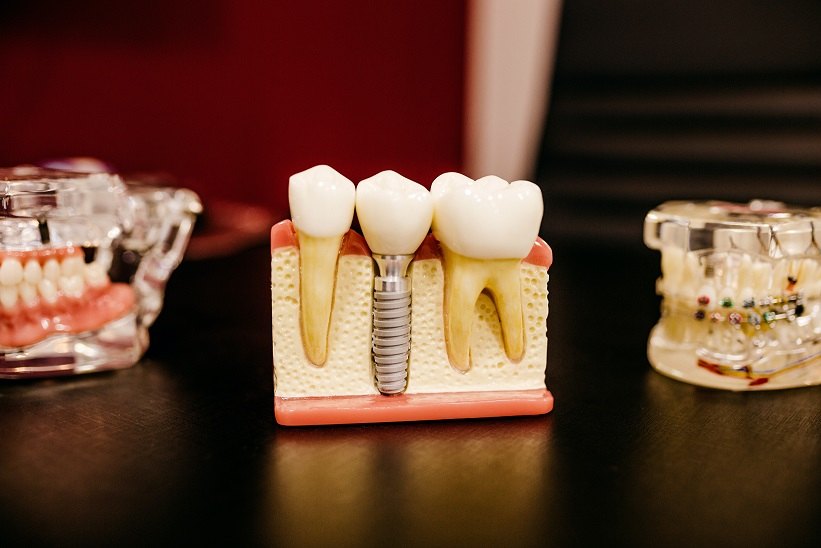
If you have been told you may need bone grafting before an implant, that does not automatically mean an implant is off the table. Many implant patients do not need grafting. When it is recommended, it is usually because the jaw does not have enough height or width, or because nearby anatomy needs to be protected so the implant can be placed in a stable position. The Canadian Dental Association notes that implants need enough jawbone, and grafting may be used when the bone is not ready yet.
If you are also learning about implants more broadly, our dental implants page can help set the stage.
Questions to ask about why the graft is needed
- What problem is the graft solving? Ask whether the issue is bone height, bone width, nearby anatomy such as the sinus or nerve area, or the need for stronger support for the implant.
- Is grafting needed for this tooth only, or for more than one site? The plan can differ depending on how many teeth are being replaced.
- What happens if I do not have the graft? Your dentist should explain whether the implant can still be placed safely, whether a different size or position is possible, or whether another restorative option makes more sense.
Questions to ask about imaging and whether 3D planning is necessary
Imaging should answer a planning question, not just add a scan for its own sake. A 2026 ADA and AAOMR recommendation supports using 3D CBCT imaging judiciously when it will help plan implants or grafting.
- What image are you using now? Ask whether the office is working from a regular 2D X-ray, a panoramic image, or a 3D CBCT scan.
- What will the image show that changes the plan? The goal may be to measure available bone, check the location of nerves or sinuses, or confirm whether grafting is needed at all.
- Is 3D imaging really necessary in my case? It is not always required. Ask why it is being recommended for you specifically.
Questions to ask about graft material and surgical approach
Not all grafts are the same, and there is not one universally best material for every patient. Recent evidence does not support a single superior graft option in every situation, so the reason for the choice matters.
- What type of graft material will you use? Ask whether it is coming from your own tissue, donated human material, animal-derived material, or a synthetic material.
- Why is that material the right choice for me? The answer should relate to the size of the defect, the site being treated, and the timing of the implant plan.
- Will you use a membrane or barrier? In some cases, a membrane is used to protect the graft while healing.
- Is this a staged procedure or a combined plan? Some grafts are placed first, then the implant is placed later. In other cases, the implant and graft may be planned together if the site allows it.
Questions to ask about timing, healing, and follow-up
Healing time depends on the size of the graft, the location, your overall health, and the type of implant plan. The consultation is the best time to ask what timeline your dentist expects.
- How long will the graft need to heal before the implant is reconsidered? Ask for a general range rather than a promise.
- What signs tell you the site is ready? Your dentist may want repeat imaging or a clinical exam before moving ahead.
- What follow-up will I need after the graft? Ask how many check-ins are expected and what symptoms should prompt a call.
- What could change the timeline? Healing can be affected by infection, gum disease, smoking, medical conditions, or the need for more rebuilding than expected.
- What are the main risks in my case? Ask about swelling, discomfort, infection, graft failure, or the chance that the plan may need to change after healing.
Questions to ask about alternatives
If grafting is not recommended, not feasible, or not the best fit for your situation, ask what else is available.
- Are there other ways to replace the tooth? Depending on the site and your goals, options may include a bridge, a partial denture, or a staged implant plan later.
- Could the implant be placed in a different position or at a different size? Sometimes the plan changes rather than being abandoned.
- What are the trade-offs? Ask how each option compares for function, maintenance, appearance, and long-term planning.
Questions to ask about cost and coverage in Canada
Cost is worth discussing early, because public coverage is limited for this kind of care. The Government of Canada’s Canadian Dental Care Plan guide states that implant-related procedures and bone grafts are excluded.
- What parts of the treatment are covered, if any? Ask about exam fees, imaging, grafting, the implant itself, and follow-up visits.
- What will be out of pocket? Request a written estimate if possible.
- Are there staged payments or separate treatment phases? Some patients prefer to understand the costs before each step.
A calm next step for Hamilton patients
If you are in Hamilton and trying to decide whether bone grafting makes sense for your situation, a consultation can help you compare the plan, the timing, and the alternatives in plain language. Excel Dental can review your imaging, explain why grafting may be suggested, and help you understand the next step without pressure.
Key sources
- Canadian Dental Association: Dental Implants
- Government of Canada: CDCP Dental Benefits Guide
- AAOMS: Dental Implant Surgery Patient Guide
- Bone Regeneration Techniques for Dental Implant Placement
This article is for general education only and does not replace personalized advice, diagnosis, or treatment from a licensed dentist.