
GENERAL DENTISTRY
Root canal treatment removes inflamed or infected tissue from inside a tooth. We then seal the tooth and plan the restoration it may need for protection.
HomeRoot Canal Treatment

GENERAL DENTISTRY
Relieve infection and help save your natural tooth.
Root canal treatment removes inflamed or infected tissue from inside a tooth. We then seal the tooth and plan the restoration it may need for protection.
- We review your symptoms, tests and X-rays
- Alternatives are explained before treatment
- You know what to expect during and after the visit
- The tooth is assessed for a filling or crown
WHAT TO EXPECT
What to expect during root canal treatment.
01
Why you may need root canal treatment
Inside each tooth is a pulp space containing nerves and blood vessels. Deep decay, a crack, trauma or repeated treatment can cause the pulp to become inflamed or infected. Root canal treatment removes this tissue so the tooth can be cleaned, sealed and retained when the prognosis is reasonable.
02
What happens during treatment
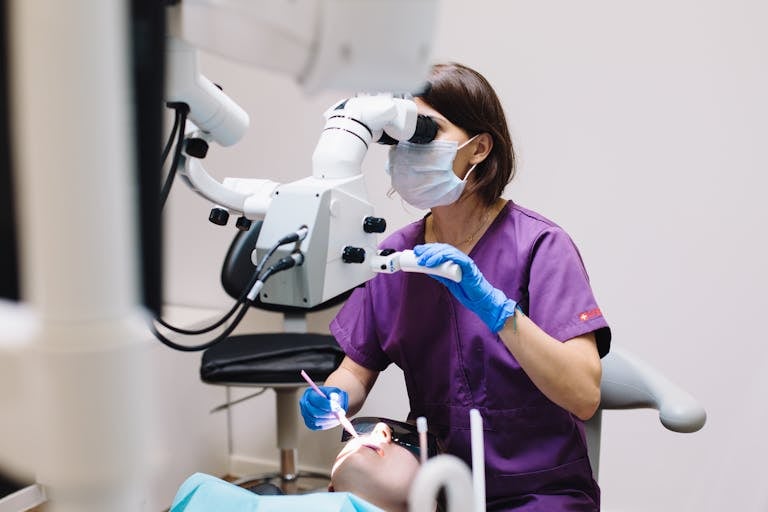
The tooth is isolated, an opening is made and the canals are located, shaped and disinfected. The cleaned spaces are filled and the opening is sealed. Magnification, digital radiographs, electronic measurement and other instruments may assist with selected cases.
The number of appointments depends on the tooth, anatomy, symptoms and condition of the surrounding tissues.
03
Protecting the tooth afterward
A root-filled tooth often needs a definitive restoration such as a filling or crown. The amount of remaining structure, location and bite determine how the tooth should be protected from fracture and leakage.
04
Recovery and follow-up
Mild tenderness can occur after treatment. Follow the provided instructions and contact the office for increasing swelling, significant pain, a lost temporary restoration or a change in the bite. Periodic examinations are still needed because the tooth and surrounding bone must be monitored.
RELATED SERVICES
Related Dental Care
Apicoectomy
Treat a persistent problem at the tip of a tooth root when root-end surgery is appropriate.
COMMON QUESTIONS
Root canal questions
Find answers about symptoms, treatment steps, recovery and how the tooth is protected afterward.
What symptoms may lead to root canal treatment?
Persistent pain, lingering temperature sensitivity, swelling, tenderness, a deep cavity or changes seen on an X-ray may suggest a problem inside the tooth.
Is root canal treatment painful?
Local anaesthetic is used to keep the procedure comfortable. The tooth may be tender afterward, especially if it was painful or infected before treatment.
How many appointments are needed?
Some teeth can be treated in one visit, while others need additional appointments because of anatomy, infection, symptoms or the restoration plan.
Will the tooth need a crown afterward?
Back teeth and teeth with substantial structural loss often need a crown or another protective restoration. The recommendation depends on the amount of tooth remaining and the bite.
What should I expect after treatment?
Temporary tenderness may occur. Avoid heavy chewing on an unrestored tooth and contact the office if swelling, severe pain or another concern develops.
What are the alternatives to root canal treatment?
When the pulp cannot recover, the main alternative is usually removal of the tooth followed by discussion of replacement options. Observation is not appropriate for every infected tooth.
Can antibiotics replace root canal treatment?
Antibiotics may be used for selected spreading infections, but they do not remove infected tissue from inside the tooth. Definitive dental treatment is usually still required.
Is the tooth numb during root canal treatment?
Local anaesthetic is used to numb the area. Tell the dentist if you feel discomfort so it can be addressed.
Can I return to normal activities afterward?
Many people return to routine activities, but the tooth may be tender and the temporary restoration needs protection. Follow the instructions provided for your case.
READY FOR YOUR NEXT VISIT?
Keep routine dental care moving forward.
Request an appointment online or call the office at 905-529-2164.