
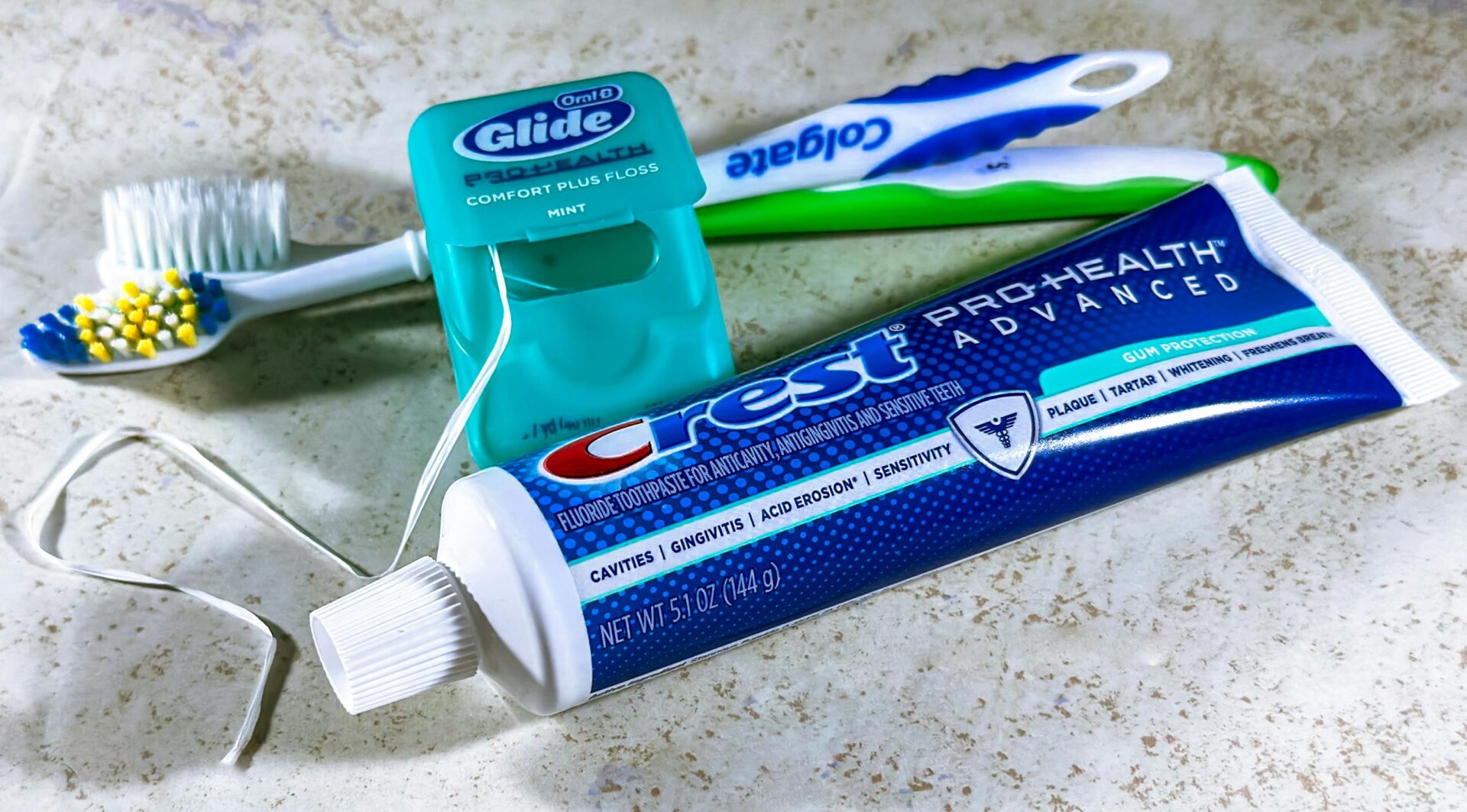
Bleeding gums: when to keep up home care and when to book a dental visit
Bleeding gums are common, but the pattern matters. If the bleeding is mild and recent, it may improve with better daily cleaning. If it keeps coming back, happens almost every time you brush or floss, or shows up with other gum changes, it is time to book a dental visit.
When a little bleeding can happen
If you have just started or restarted flossing, or you have recently cleaned between your teeth more carefully, a small amount of bleeding can happen for a short time. That does not automatically mean something serious is wrong. Gums can bleed when plaque has built up, and they may also bleed while they are getting used to regular cleaning.
The key question is the pattern. Bleeding that settles as your home care becomes more consistent is different from bleeding that keeps returning.
Home care that may help mild, recent bleeding
- Brush twice a day with a soft-bristled brush.
- Use gentle, effective brushing along the gumline.
- Floss once a day, or use another interdental cleaner if that works better for the spaces between your teeth.
- Keep the routine steady and watch whether the bleeding is improving.
A PubMed-indexed review suggests that brushing technique matters for plaque removal and gingivitis prevention, although studies use different methods and outcomes. Gentle, consistent cleaning is still the main home step to focus on.
Signs it is time to book a dental visit sooner
- Bleeding almost every time you brush or floss.
- Red, swollen, or tender gums.
- Gum recession, where the gums seem to be pulling back.
- Bad breath that does not improve with home care.
- Loose teeth.
- Bleeding that happens on its own, without brushing or flossing.
Home care is important, but it does not replace a dental exam when bleeding keeps returning or comes with other gum changes.
What a dental exam can check for
A dental visit can look for plaque and tartar, inflamed gum tissue, gum recession, deeper gum pockets, and areas that are harder to clean well. It can also help sort out whether the bleeding seems more like a short-term hygiene issue or a possible sign of early gum disease.
If gum disease is part of the picture, your dentist can explain the next steps and whether periodontal treatment may be appropriate.
Hamilton next step
If you live in Hamilton and you are not sure whether your bleeding gums are just a new flossing habit or something that needs attention, book a dental visit rather than waiting for it to become a bigger issue. A checkup can help sort out what is normal, what needs monitoring, and what should be treated sooner.
Key sources
- Government of Canada — Gum disease
- Canadian Dental Association — Spot trouble
- City of Hamilton: Dental Health
- PubMed review — Manual toothbrushing techniques for plaque removal and the prevention of gingivitis
This article is for general education only and does not replace personalized advice, diagnosis, or treatment from a licensed dentist.