
Clear Aligners vs Braces for Busy Adults in Hamilton: Which Fits a Full Schedule?
The real question for busy adults: what fits your day
For many adults in Hamilton, the decision between clear aligners and braces is less about looks and more about daily life. If you are balancing work, family schedules, commuting, or long days on your feet, the better option is usually the one you can clean well, wear consistently, and maintain without extra stress.
Both options can straighten teeth. The difference is how they fit into your routine.
Clear aligners: easier to remove, easier to forget
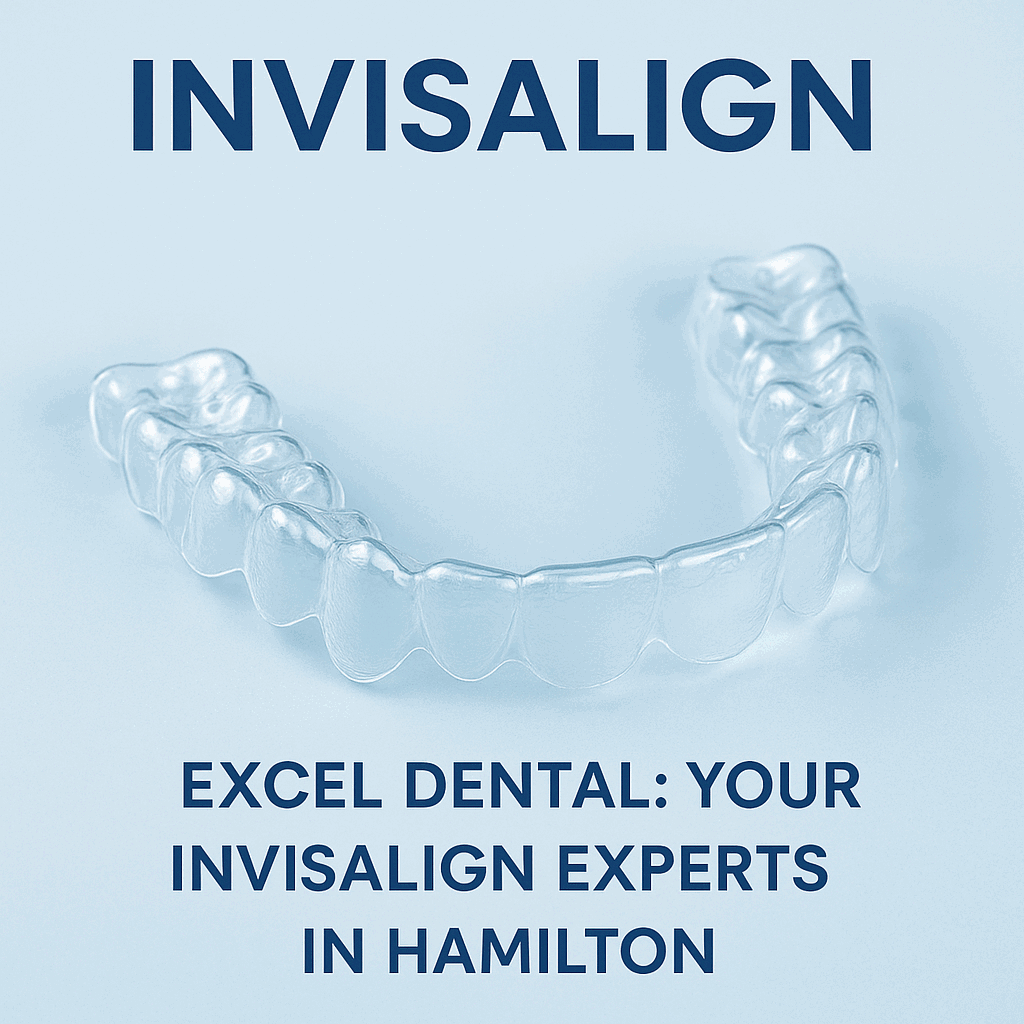
Clear aligners are removable trays. That can make eating and brushing feel simpler, because you take them out for meals and oral hygiene. They can also be a good fit for adults who want fewer food restrictions during treatment.
But the tradeoff is discipline. Aligners only work well when they are worn as directed, day after day. If a removable appliance tends to get left in a lunch bag, on a napkin, or in the car, treatment can slow down.
If you want a closer look at the aligner option, our Invisalign aligner treatment page explains how it is commonly used in practice.
Braces: less to remember, more to clean around
Braces stay on the teeth, so you do not have to remember to put them back in after meals. For some people, that makes braces easier to keep on track during a busy week.
The main daily challenge is cleaning. Brackets and wires create extra places for plaque and food to collect, so brushing and flossing usually take more time and care. That does not mean braces are a bad choice. It just means the routine is different.
Food choices also matter more with braces. Sticky or very hard foods can damage the appliance or make cleaning harder, so your dentist or orthodontist will usually review what to avoid.
What the hygiene evidence actually says
A PubMed review on oral health during aligner and braces treatment found that aligners may show better short-term plaque scores in some studies. The important part is the quality of the evidence: it was low to very low certainty. In plain language, that means aligners may be easier to keep clean, but the research does not prove that they are always cleaner or better overall.
A more recent systematic review also supports a balanced view: clear aligner therapy can be an effective alternative for some orthodontic movements, but it is not the right answer for every case.
So the practical takeaway is simple: aligners may make hygiene easier for some adults, but only if they are worn consistently and cleaned properly.
When braces may still be the better fit
Braces can still be the better choice for more complex tooth movements or when a removable appliance is unlikely to be worn enough. They give the orthodontic team more direct control over certain movements, which can matter when bite correction is complicated.
That is why an orthodontic exam matters. The right option depends on your bite, your goals, and how realistic the day-to-day routine will be for you.
How follow-up visits usually feel different
With aligners, treatment usually includes regular check-ins and a series of trays. The day-to-day work is mostly on the patient: wear the trays as directed, keep them clean, and switch to the next set when instructed.
With braces, the appliance is fixed in place, and follow-up visits focus on progress and adjustments. The patient still has an important role, but the appliance does the work around the clock.
If your schedule is packed, ask which option is easier for you to keep on track for months at a time, not just in the first week.
Canada coverage note
The Canadian Dental Care Plan may cover orthodontic treatment only in limited situations. Do not assume braces or aligners are covered. Check the current eligibility rules, documentation requirements, and any pre-authorization steps before you build a plan around coverage.
Hamilton next step
If you are weighing clear aligners against braces and the choice still feels unclear, book an orthodontic consultation in Hamilton. The goal is to match the treatment to your teeth, your schedule, and your goals. If you are planning next steps, it can also help to ask whether your bite is a good fit for aligners, braces, or another approach.
Key sources
- Canadian Dental Association — Orthodontics
- Study on oral health during aligner and braces treatment
- Government of Canada: CDCP Coverage
This article is for general education only and does not replace personalized advice, diagnosis, or treatment from a licensed dentist.