
Implant, Bridge, or Partial Denture for One Missing Tooth?
When you are missing one tooth or have a small gap, the replacement choice affects how you chew, how you clean, and whether nearby teeth need to help support the repair. The main options are a dental implant, a bridge, or a partial denture. There is no one-size-fits-all answer.
Dental implants: fixed support from the jawbone
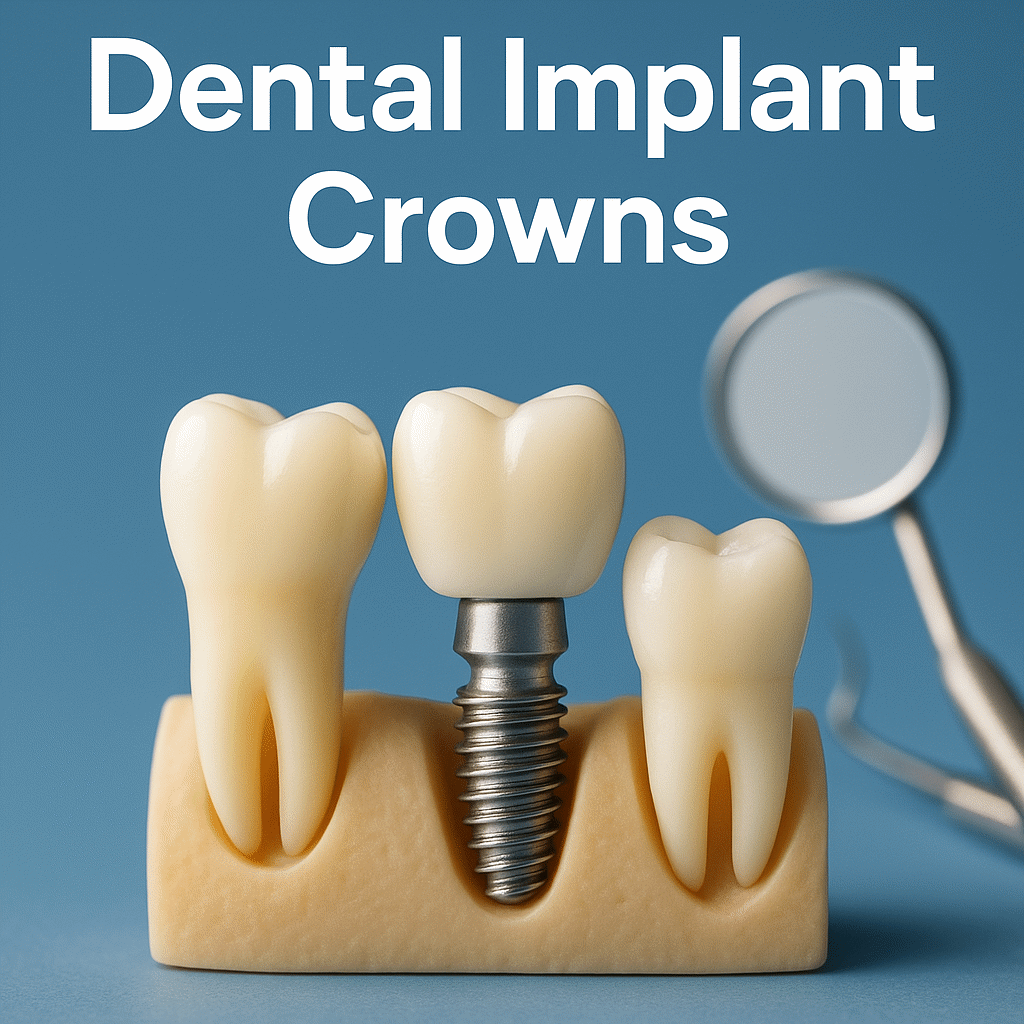
A dental implant replaces the root part of the tooth with a small post placed in the jawbone. After healing, a crown is attached on top. Implant planning is case by case and usually starts with an exam and x-rays to look at the tooth space, gums, and bone.
An implant does not rely on the teeth beside it for support in the same way a bridge does. That can be helpful when the neighbouring teeth are healthy, but implants still need regular cleaning and follow-up. If you want a fuller explanation, see our dental implants page.
Bridges: fixed replacement supported by nearby teeth
A bridge fills the gap with a false tooth that is anchored to the teeth on either side. This fixed design can work well when the neighbouring teeth already need crowns or are strong enough to support the restoration.
The planning tradeoff is that the neighbouring teeth become part of the restoration. In many cases, they need to be shaped to hold the bridge. That is not automatically a problem, but it is an important part of deciding whether a bridge makes sense.
Partial dentures: removable and often more flexible
A partial denture is a removable appliance that replaces one or more missing teeth. It can be a practical choice when you want to avoid changing the neighbouring teeth, when you are not ready for a fixed restoration, or when cost and flexibility matter.
Partial dentures do need daily cleaning and periodic adjustment. Some people adapt quickly; others need time to get used to the fit and feel. For a small gap, a partial denture may be a very reasonable option.
How they differ day to day
- Implant: fixed in place after healing; cleaned like a tooth, with attention to the crown and gumline.
- Bridge: fixed in place; needs careful cleaning under the bridge and around the supporting teeth.
- Partial denture: removable; removed for cleaning and usually adjusted over time as your mouth changes.
The best choice is often the one that fits your teeth, gums, bone, timing, and budget together. A good plan also looks ahead: will the option still make sense if another tooth in the area changes later?
Coverage and cost in Canada
Coverage can affect the practical choice. The Canadian Dental Care Plan guide excludes implant-related procedures and implant-supported crowns. Some removable dentures and some crowns may be covered when plan rules are met, but eligibility, documentation, and preauthorization still matter.
That is why it helps to ask for an estimate before you commit. A treatment plan should consider the clinical fit and the out-of-pocket cost together.
Questions to ask your dentist next
- Which option changes my neighbouring teeth the least?
- What cleaning will this need every day?
- Is my bone and gum health suitable for an implant?
- Would a bridge or partial denture be easier to maintain in my case?
- Does my coverage help with any part of the plan?
- If I choose a bridge or partial denture now, can the plan be changed later?
If you are in Hamilton, the next step is usually an exam and x-rays so your dentist can compare the tooth, gum, and bone findings with your goals and budget before you choose.
Key sources
This article is for general education only and does not replace personalized advice, diagnosis, or treatment from a licensed dentist.