
What a Dentist Checks First for Gingivitis or Periodontitis
Bleeding gums, swelling, or a tooth that feels a little different deserve a proper exam. Gingivitis is the earlier stage of gum inflammation. Periodontitis is the form that can damage the tissues and bone that support the teeth. One symptom alone cannot tell which one you have.
1) The visit starts with your history and symptoms
The first step is usually a conversation. Your dentist reviews your medical and dental history, current symptoms, home care routine, and risk factors such as smoking, dry mouth, diabetes, pregnancy, recent dental changes, and whether you notice bleeding, bad breath, tenderness, or food catching between teeth. This helps the dentist understand the full picture before looking closely at the gums.
2) The dentist looks closely at the gums and plaque
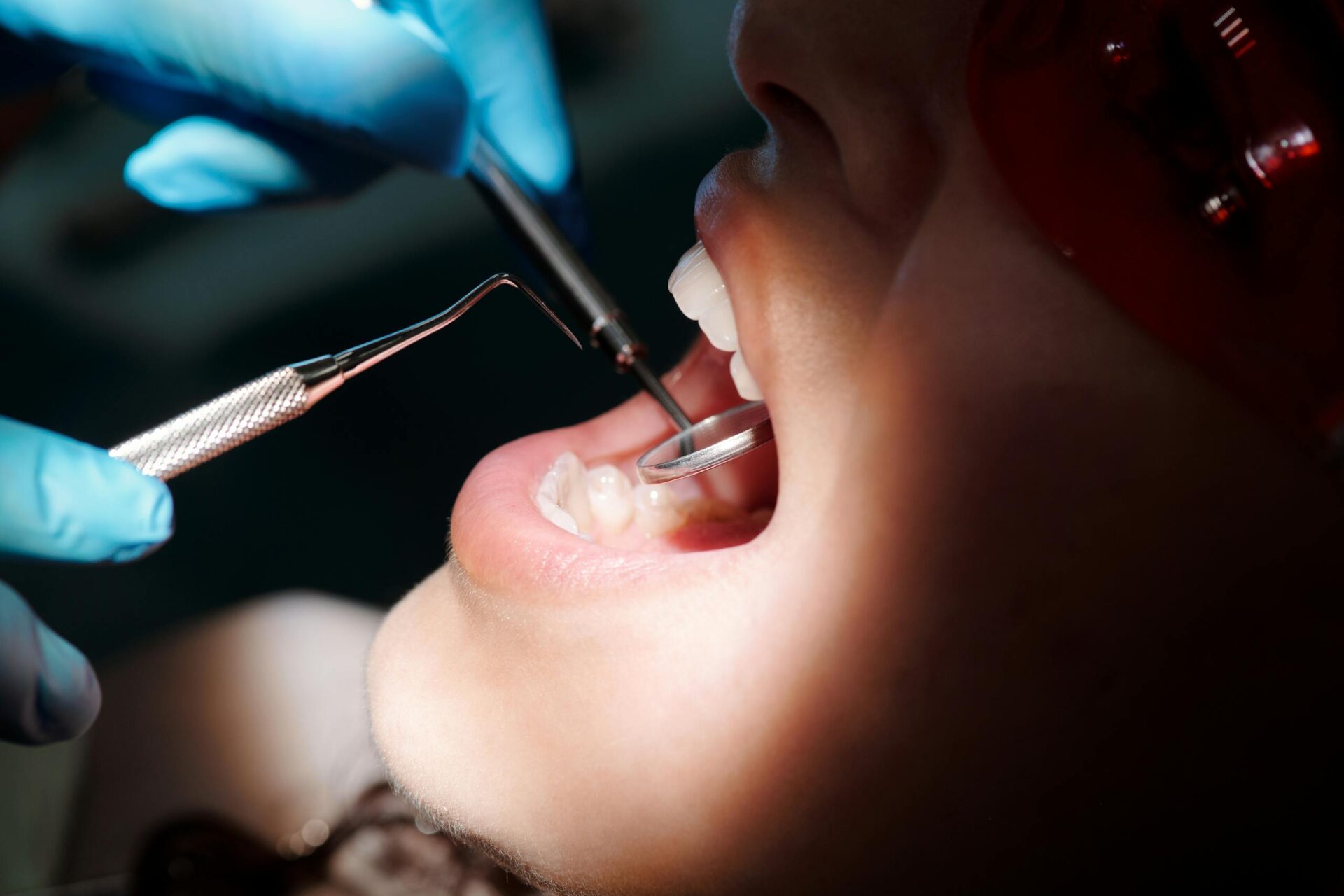
Next comes a visual exam. The dentist checks for plaque, calculus, redness, swelling, gum recession, bleeding, drainage, tooth mobility, and areas that trap food. These signs can suggest inflammation, but they do not by themselves show how far the problem has progressed.
3) Periodontal probing measures gum pockets
A small measuring tool is gently placed around each tooth to check pocket depth and whether the gums bleed on probing. In simple terms, pocket depth helps show how much space there is between the tooth and gum. Bleeding on probing can suggest active inflammation. Measuring and charting the gums is a standard part of diagnosing and monitoring periodontitis.
4) Selective x-rays add information you cannot see
Not every patient needs x-rays at the first gum visit, but the dentist may recommend them when more information would help. X-rays can help show bone loss or other problems that are not visible during a routine look in the mouth. They are used together with the exam and probing results, not instead of them.
How dentists decide between gingivitis and periodontitis
The diagnosis comes from several findings together: your history, what the gums look like, pocket measurements, bleeding, and any x-ray changes. Gingivitis usually means inflammation without the bone loss seen in periodontitis. Periodontitis is considered when there is evidence that the supporting tissues have been affected. Because no single sign tells the whole story, dentists interpret the findings as a group.
What treatment planning may look like next
If the exam suggests gingivitis, the next steps may focus on better daily cleaning, a professional cleaning, and a follow-up visit to check whether the gums calm down. If periodontitis is suspected or confirmed, the plan may include more detailed cleaning around the teeth, closer follow-up, and a periodontal treatment plan based on how far the disease has progressed. The first visit is about building that plan, not jumping straight to one procedure.
Hamilton next step
If you live in Hamilton and think you may have gum disease, reviewing periodontal treatment can help you understand the next steps after the exam. If you are not sure whether bleeding gums are just irritation or something more, a dentist can sort that out with a history, exam, probing, and selective x-rays when needed.
What to ask at your appointment
You may want to ask: Do my gums look more like gingivitis or periodontitis? Which areas need the closest follow-up? Do I need x-rays today, or is the exam enough for now? What should I change at home before the next visit?
Key sources
- Government of Canada — Gum diseases
- PubMed — Conventional diagnostic criteria for periodontal diseases
- American Dental Association — X-rays/Radiographs
This article is for general education only and does not replace personalized advice, diagnosis, or treatment from a licensed dentist.