
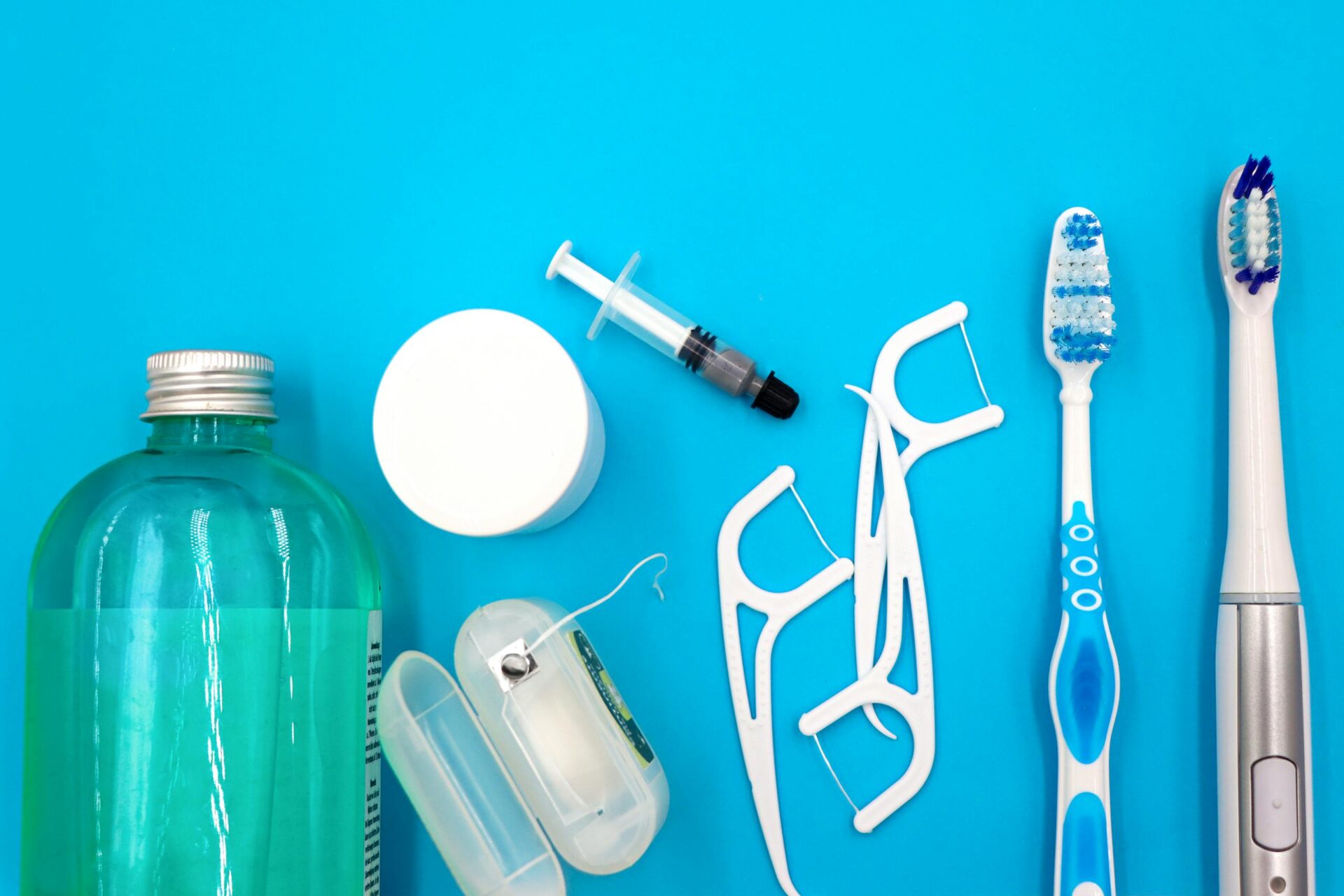
Electric or Manual Toothbrush for Families: Which One Makes Daily Brushing Easier?
No single toothbrush is best for every family
For most people, the question is not whether an electric toothbrush is “better” than a manual one. The more useful question is: which brush will your family actually use well, twice a day, every day?
Both manual and powered toothbrushes can be effective when they are used with soft bristles, fluoride toothpaste, and enough time and care. Consistency matters more than the handle style.
What the evidence says
Some reviews find a small or modest advantage for certain powered toothbrushes in some studies, especially for plaque removal. That does not mean every electric brush is dramatically better, or that manual brushes do not work. A well-used manual toothbrush can still do a good job.
The practical takeaway is simple: choose the brush that makes brushing easier, more comfortable, and more consistent for the person using it.
Who may benefit most from a powered brush
A powered brush may be a good fit for children, teens, adults with limited hand dexterity, people with braces, or anyone who finds brushing tiring or rushed. Some families also find that a powered brush makes the routine feel easier to stick with.
That said, younger children still need an adult to help or closely supervise brushing. A powered brush does not replace that help.
What matters more than the handle
Whichever brush you choose, look for a soft-bristled head that fits the mouth comfortably. For children, a smaller brush head often works better than a large one.
Use fluoride toothpaste, brush for two minutes, and brush twice a day. If a child is young, an adult should make sure the brush reaches all tooth surfaces, including the back teeth and along the gumline.
Simple family buying and use tips
Try to keep the routine easy:
- Pick a brush with soft bristles.
- Choose a size that fits the mouth and hand.
- Replace the brush or brush head when bristles look worn or frayed.
- Use the brush you are most likely to use consistently.
If a powered brush helps your child or teen brush more thoroughly without a struggle, that can be a good reason to choose one. If a manual brush feels simple and comfortable, that can work too.
When to ask your dentist for help
If brushing is hard at home, a dental exam is a good time to ask about technique, brush choice, or child-specific habits. That can be especially helpful if your child has braces, if you are noticing plaque build-up, or if someone in the family has trouble using a regular toothbrush well.
At Excel Dental in Hamilton, we can review brushing habits during a routine visit and help you choose a setup that fits your family. If you are due for a checkup, our general dentistry visits are a simple place to start.
Key sources
- ADA: Toothbrushes and Brushing
- Cochrane Library — Manual versus powered toothbrushing for oral health
- Government of Canada: Oral Health
This article is for general education only and does not replace personalized advice, diagnosis, or treatment from a licensed dentist.