
Dry Mouth and Bad Breath: When a Dental Visit Can Help
Dry mouth and bad breath often show up together because saliva helps wash away food particles and bacteria. When the mouth is dry, odor can build up more easily and the mouth loses some of its natural cleaning effect.
That does not mean every case is serious. But if the problem keeps coming back, it is worth looking at the common mouth-related causes and the home steps that may help.
Common oral causes to know
Reviews of halitosis suggest that ongoing bad breath often starts inside the mouth, especially when saliva is low or plaque builds up. Common oral reasons include:
- Coated tongue: A film on the tongue can hold odor-causing bacteria.
- Gum disease: Bleeding, swollen gums, and pockets around teeth can contribute to persistent bad breath.
- Cavities: Tooth decay can trap food and bacteria.
- Smoking or tobacco use: Tobacco can dry and irritate the mouth.
- Mouth-breathing: Breathing through the mouth, especially overnight, can leave the mouth dry.
- Dehydration or some medicines: These can lower saliva and make the mouth feel sticky or dry.
Dry mouth can also have medical causes outside the mouth. A dental visit can help sort out the oral side of the picture, but some people also need a medical review if the dryness is ongoing or severe.
What to try at home first
- Brush twice a day with fluoride toothpaste.
- Clean between the teeth every day with floss or another interdental cleaner.
- Gently clean the tongue with your toothbrush or a tongue cleaner.
- Sip water regularly through the day.
- Avoid tobacco.
- For some people, sugar-free gum or lozenges may help stimulate saliva if that is comfortable and safe for them.
These steps often help when the cause is mild dryness, plaque, or tongue coating. If the smell or dryness keeps returning, it is a sign to look deeper.
When a dental visit helps
Book a dental exam if the mouth feels dry most days, if bad breath does not improve with good home care, or if you notice any of these signs:
- bleeding gums
- sore or swollen gums
- loose teeth
- ongoing bad taste in the mouth
- new cavities
- trouble chewing or swallowing
- dryness that seems to be getting worse
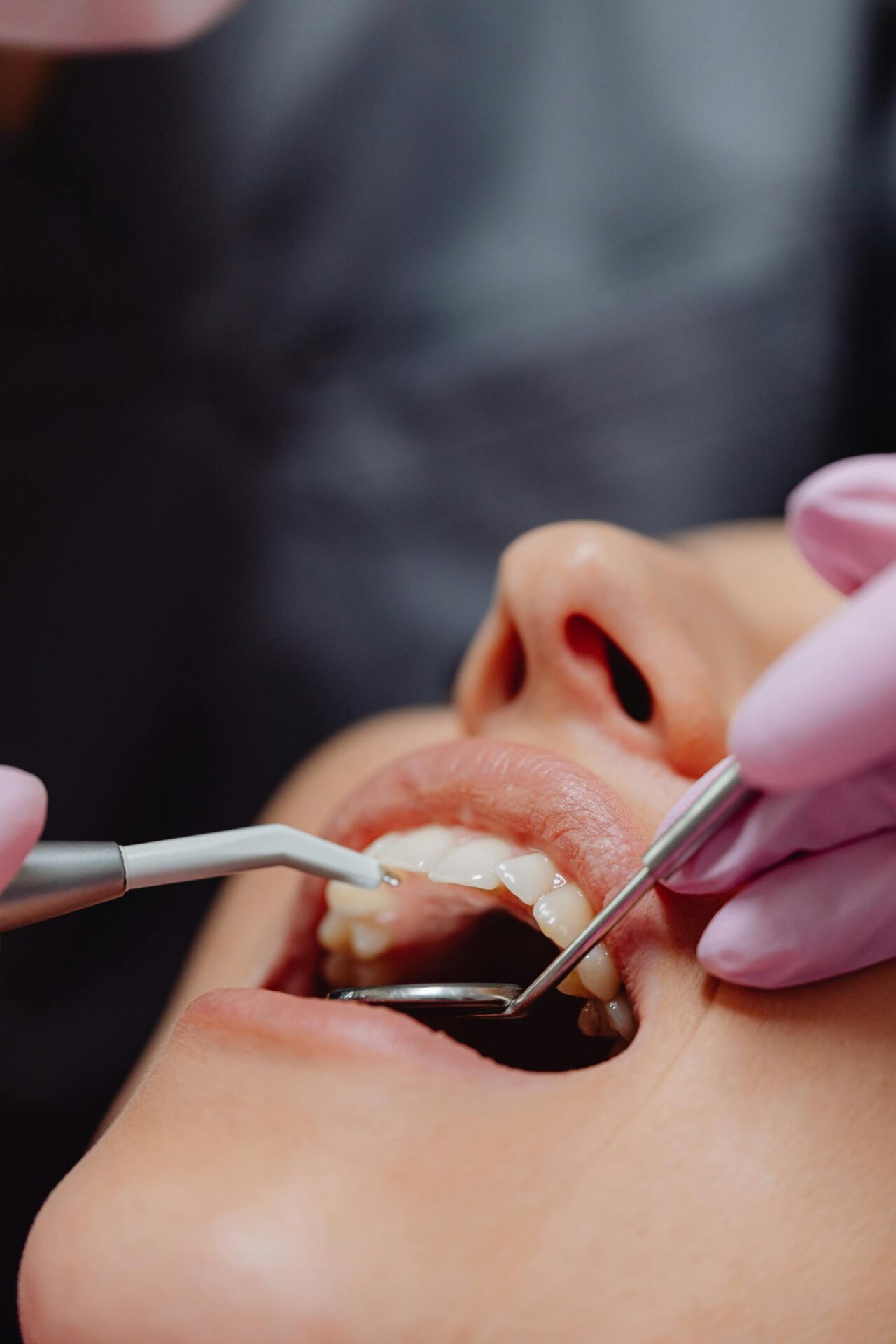
A dentist may check the gums, tongue, teeth, old fillings or crowns, and signs of plaque buildup or inflammation. They can also help decide whether the problem looks mainly dental or whether a physician or pharmacist should be involved because of a medicine or medical condition.
Simple next steps for Hamilton patients and families
If the dryness or breath changes keep coming back, a routine visit can help sort out what is happening. At Excel Dental, our general dentistry visits can include a check of the gums, tongue, and teeth, along with cleaning and practical home-care advice when needed. If you are in Hamilton and want a calm, practical next step, booking a routine exam is a reasonable place to start.
Small changes at home can make a real difference, but persistent dry mouth or bad breath should not be ignored. Getting it checked early often makes the next step simpler.
Key sources
This article is for general education only and does not replace personalized advice, diagnosis, or treatment from a licensed dentist.