Braces or Invisalign: Teen Cleaning Habits That Help Prevent White Spots

Teens with braces or clear aligners need different cleaning habits, but the goal is the same: less plaque, healthier gums, and fewer white spots.

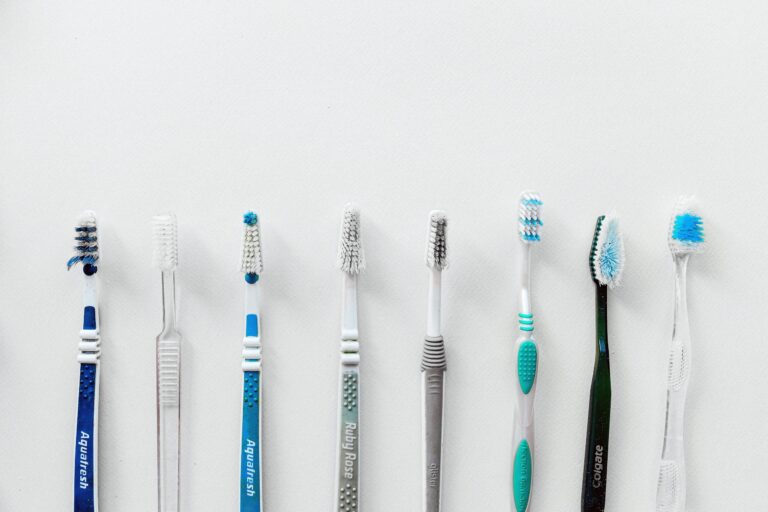
Teens with braces or clear aligners need different cleaning habits, but the goal is the same: less plaque, healthier gums, and fewer white spots.
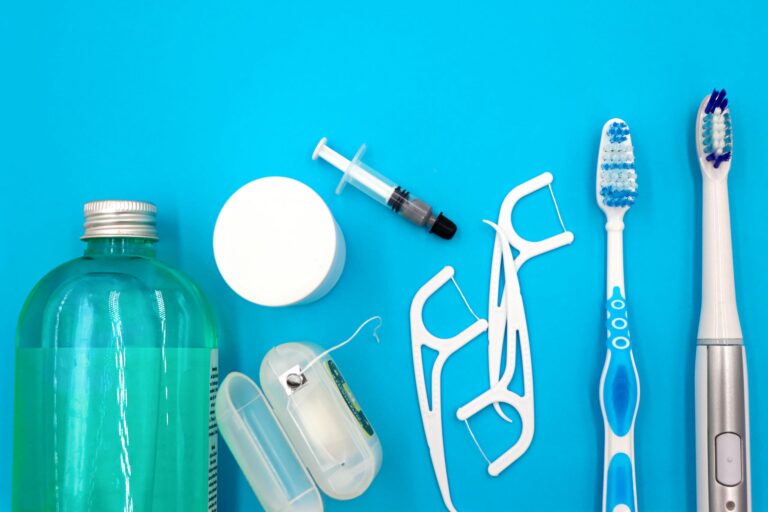
If dry mouth started after a medication change, mention it early. A dentist can help lower cavity risk with fluoride-based prevention planning before decay starts.
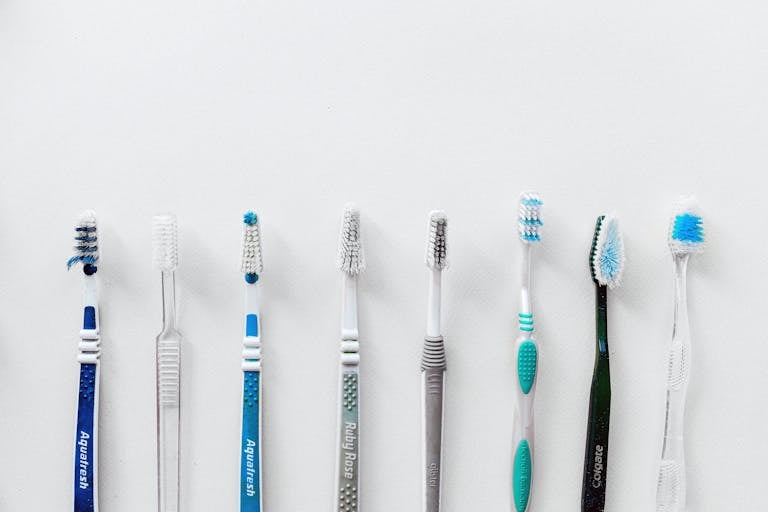
A practical family guide to choosing a toothbrush based on habit, age, and dexterity. The best brush is the one your family will use well twice a day.

Toothpaste labels can be confusing. This practical guide explains which active ingredients to look for if your main goal is cavity prevention, sensitivity relief, or help with early gum irritation, plus when symptoms mean it is time for a dental exam.

Sensitive gums and early wear usually need gentler brushing, not scrubbing harder. This guide shows the safest brush setup, how to clean along the gumline, what toothpaste to choose, and when lingering sensitivity should be checked.
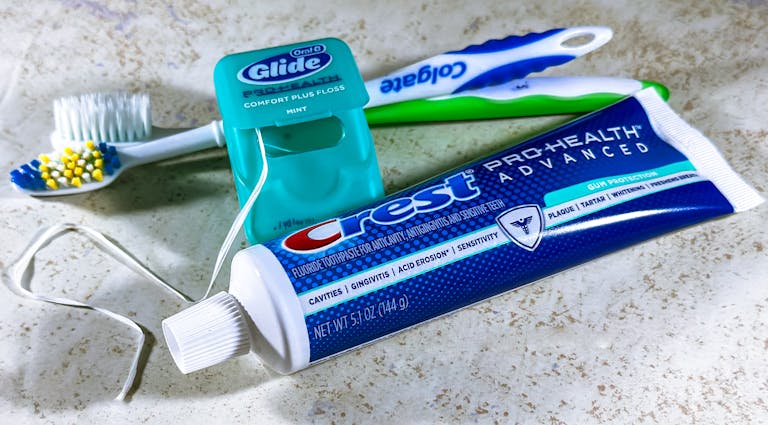
For most families, the biggest dental hygiene wins are still the simplest ones: brush twice a day with fluoride toothpaste, use the right amount for age, floss where teeth touch, and keep preventive visits focused on your own cavity risk. Here is what current Canadian guidance says matters most in 2026.
End of content
End of content