
What Happens First at a Dental Implant Consultation in Hamilton?
A dental implant consultation is an assessment and treatment-planning visit. It is not a promise that surgery is the right next step, and it does not mean you have to choose an implant that day.
The first visit looks at a missing-tooth situation in the context of your whole mouth: your health history, gums, jawbone, bite, nearby teeth, and ability to care for a replacement over time. An implant may be one option, but it is not the only option for every person or every missing tooth.
Start with the replacement tooth
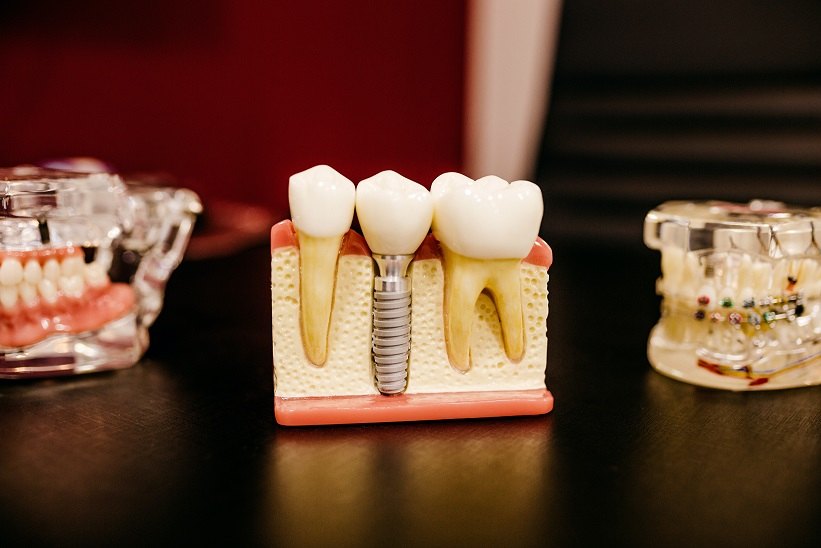
Implant planning often begins with the tooth that would sit above the gumline, not simply with the space in the bone. The dentist considers what type of replacement could fit the space, meet your appearance goals, function during chewing, and remain practical to clean.
That restoration-first approach helps guide the position of an implant beneath it. The shape and position of the replacement tooth, the gumline, available space, and the teeth beside and opposite the gap can all affect the plan. Bone, soft tissue, nearby anatomy, adjacent and opposing teeth, and bite-related factors may all need assessment before treatment.
What the dentist reviews at the first visit
Health and dental history
The dentist will ask about your general health, medications, allergies, previous dental treatment, and habits that may affect planning or healing. Some medical conditions, medications, and tobacco use can change the timing, risk discussion, or sequence of care. They do not automatically mean that an implant is unsuitable.
Bring an up-to-date medication list and let the dental team know about changes in your health. Do not change prescribed medication without advice from the clinician who prescribed it. When needed, the dental team may consult with another member of your health-care team.
Gum health and home care
Healthy, manageable gum tissue is an important part of implant planning. Periodontal inflammation and modifiable risk factors should be assessed and controlled before implant placement when possible, followed by ongoing supportive care.
If there are signs of active gum inflammation or periodontitis, the first priority may be assessment and stabilization rather than moving directly to implant placement. The dentist will also consider whether the proposed replacement tooth can be cleaned effectively at home and maintained with regular professional care. An implant does not develop a cavity like a natural tooth, but the surrounding gum and bone tissues still need ongoing attention.
The missing-tooth site
The examination includes the space where a tooth is missing or may need to be removed. The dentist may assess:
- the amount and shape of available bone;
- the thickness and contour of the soft tissue around the site;
- the location of nearby tooth roots, nerves, or sinus spaces;
- the condition of the teeth beside the space; and
- the tooth or teeth that meet the area when you bite.
This information helps determine whether an implant plan may be practical, whether treatment may need to be staged, or whether another replacement option may make more sense. Bone support, gum disease, clenching, and implant candidacy cannot be diagnosed accurately from symptoms or photographs alone.
Bite, tooth position, and chewing forces
Your bite is part of the planning process. Teeth can drift or tip into an empty space, and the opposing tooth may change position over time. Tooth wear, the direction of chewing forces, and the amount of room for a replacement can also influence the design and timing of treatment.
For this reason, there is no single implant plan that suits every missing tooth. A front tooth, a premolar, and a back molar can each present different appearance, space, cleaning, and force considerations.
Why X-rays or three-dimensional imaging may be needed
The dentist may review existing dental records and take new X-rays when they are needed for diagnosis and planning. In some situations, three-dimensional imaging may be considered to clarify bone shape and nearby anatomy before a decision is made.
Three-dimensional imaging is individualized rather than automatic. Not every patient needs it, and it should be selected to answer a clinical planning question.
Alternatives are part of a useful consultation
An implant may be appropriate for some people, but a thoughtful consultation should also include alternatives. Depending on the examination, these may include:
- retaining and restoring a tooth that can reasonably be saved;
- a fixed bridge supported by neighbouring teeth;
- a removable partial denture or another removable option; or
- leaving the space unrestored in selected circumstances.
The right choice depends on factors such as general and oral health, gum tissue, jawbone support, your goals, expected maintenance, cost considerations, and what you are comfortable managing over time.
Questions worth asking before choosing a path
- What replacement options fit my specific situation, and why?
- Is the tooth restorable, or does it need to be replaced?
- Do my gums need treatment or stabilization first?
- What records or imaging would help with planning, and why?
- How would my bite and nearby teeth affect the replacement design?
- What cleaning and professional maintenance would this option require?
- Would treatment be completed in stages, and what decisions come first?
- What coverage should I confirm with my private dental plan or the Canadian Dental Care Plan?
Coverage: confirm early, especially for CDCP
Coverage is worth discussing before making a final treatment decision. The Canadian Dental Care Plan Benefits Guide, effective April 1, 2026, lists implants, implant-supported crowns, and implant-related procedures among services excluded from CDCP coverage.
Program rules and benefit details can change, and private dental plans vary in covered services, limits, documentation requirements, and out-of-pocket costs. Confirm your own coverage directly before relying on it for a treatment decision.
A practical next step in Hamilton
If you are considering replacing a missing tooth, bring your medication list, relevant health information, recent dental records if available, and any benefit-plan details to the consultation. At Excel Dental in Hamilton, a consultation can help you review the findings, alternatives, sequencing, and maintenance needs before deciding whether an implant-based option may be appropriate. You can also learn more about implant treatment options before your visit.
Key sources
- Single-Tooth Implant Treatment Planning Review
- EFP Guideline on Prevention of Peri-Implant Diseases
- American Academy of Periodontology: Dental Implant Procedures
- Government of Canada: CDCP Dental Benefits Guide
This article is for general education only and does not replace personalized advice, diagnosis, or treatment from a licensed dentist.