
Toothache or Gum Pain? How Dentists Tell the Difference When It Cannot Wait
A painful tooth can make the nearby gum feel sore. Inflamed gums can also create pressure that seems to come from a tooth. In some cases, a tooth-root problem and periodontal problem occur together. That is why the apparent location of pain is a starting point, not a diagnosis.
The useful question is not simply, “Is this tooth pain or gum pain?” It is: “What pattern is the pain following, and are there warning signs that need prompt assessment?”
Why tooth pain and gum pain can overlap
The tooth, its root, the supporting tissues, and the gums are close together. Problems affecting one area can produce symptoms that seem to come from another. A crack, decay, inflammation inside a tooth, gum inflammation, a periodontal abscess, or a combined tooth-and-gum problem can have overlapping signs.
A recent review in the Journal of Clinical Periodontology describes periodontal abscesses and combined endodontic-periodontal lesions as conditions that can be complex to assess. This is one reason dentists do not rely on one symptom, a photograph, or the spot where a patient points.
Symptom clues worth reporting
Symptoms can help a dentist decide which questions and tests may be useful. They cannot confirm the cause at home.
Temperature sensitivity
Cold or heat sensitivity that lingers after the trigger is gone can be an important clue of a tooth-related concern. The American Association of Endodontists lists lingering temperature pain among symptoms that deserve dental assessment. Sensitivity is not specific to one diagnosis, however, and it does not automatically mean a particular treatment is needed.
Pain with biting or chewing
Pain when biting, pressure on one tooth, or discomfort when releasing a bite can be useful details to report. A dentist may consider concerns such as a crack or inflammation involving the tooth or surrounding root area, then use an examination and appropriate tests to narrow the cause. Note whether the pain occurs with firm chewing, particular foods, or when you release your bite.
Redness, bleeding, and broad gum tenderness
Red, swollen, tender, or bleeding gums may fit gum inflammation. The American Academy of Periodontology lists bleeding, swelling, tenderness, recession, pus, and changes in the way teeth fit together among signs that should be assessed. Bleeding by itself, though, cannot establish a periodontal diagnosis.
A gum pimple, bad taste, or focal swelling
A small bump on the gum, drainage, a bad taste, focal swelling, or pressure can occur with an abscess. These signs do not show whether the source is inside a tooth, in the gums, or both. Even if a bump or drainage seems to improve, the underlying cause may still need assessment.
How dentists narrow the cause
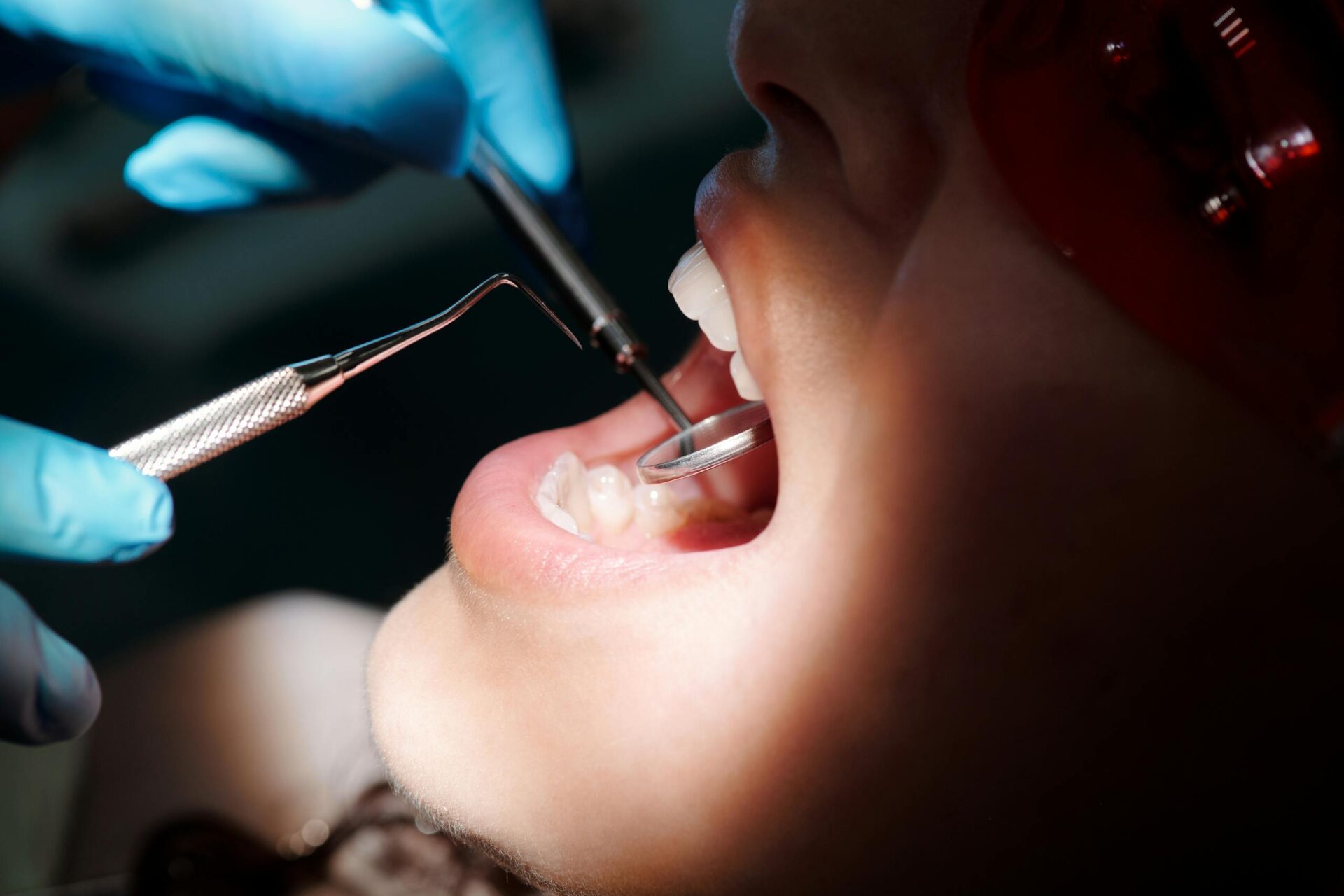
A careful examination brings the separate clues together. Depending on your symptoms, a dentist may use the following steps:
- Symptom history: when the pain started, whether it is constant or triggered, how long temperature sensitivity lasts, and whether chewing or brushing changes it.
- Visual examination: looking for decay, cracks, worn areas, damaged restorations, swelling, drainage, or changes in the gums.
- Gum assessment: checking for bleeding, tenderness, localized swelling, and signs that the gums or tissues supporting the teeth may be involved.
- Tooth response tests: using temperature, gentle tapping, pressure, or other tests to compare the affected tooth with nearby teeth.
- Bite testing when appropriate: checking whether a particular area is painful under pressure.
- Dental X-rays when indicated: looking for changes around a root, bone loss, decay that cannot be seen directly, or other findings that may affect treatment planning.
X-rays are considered alongside the history and clinical examination. No single test or image provides the full answer in every situation.
When pain or swelling needs prompt attention
Contact a dental office promptly for worsening tooth or gum pain, a new area of swelling, pus or drainage, a gum pimple, or pain that is making normal eating difficult. The details you report can help the team determine how soon you should be seen.
Facial or jaw swelling, fever, feeling unwell, or rapidly worsening symptoms need urgent assessment. Difficulty breathing or swallowing warrants emergency help right away. For a focused next step, review the practice’s emergency dentistry information and contact a dental professional promptly.
Why antibiotics alone may not solve the problem
Antibiotics can be important in selected situations, including when infection has signs of systemic involvement. However, the American Dental Association advises that antibiotics are not a stand-alone solution for most pulpal or localized periapical dental pain and swelling.
When treatment is indicated, the dental source may need to be addressed directly. The appropriate approach depends on the examination and medical history. It may involve treating the tooth, managing a gum-related condition, draining an infection when clinically appropriate, or planning care for both tooth and periodontal concerns.
What to say when calling a Hamilton dental office
Clear details can help the dental team plan an appropriate appointment. Let them know:
- which tooth or gum area seems involved and when the problem began;
- whether cold, heat, sweets, chewing, or brushing triggers pain;
- whether pain lingers after a trigger or is constant;
- whether you have bleeding, swelling, a gum bump, drainage, or a bad taste;
- whether you have facial swelling, fever, or feel generally unwell; and
- whether there was a recent injury, dental procedure, lost filling, or broken tooth.
At an appointment, the examination can help distinguish whether the concern appears tooth-related, gum-related, or combined, so the next step is based on the findings rather than on pain location alone.
Questions to ask at the examination
- What findings point to the likely source of this pain?
- Are the gums, tooth root, or both areas involved?
- Which tests or X-rays are needed, and what can they show?
- How urgent is treatment based on the current findings?
- What are the reasonable treatment options, benefits, limitations, and risks?
Bottom line: Lingering temperature pain, biting pain, bleeding gums, focal swelling, and a gum pimple are all useful details to report. None can identify the cause with certainty on its own. A timely dental examination is the safest way to find the source and plan care.
Key sources
- American Association of Endodontists: Tooth Pain
- American Academy of Periodontology: Gum Disease Information
- MedlinePlus: Tooth Abscess
- American Dental Association: Antibiotics for Dental Pain and Swelling
This article is for general education only and does not replace personalized advice, diagnosis, or treatment from a licensed dentist.