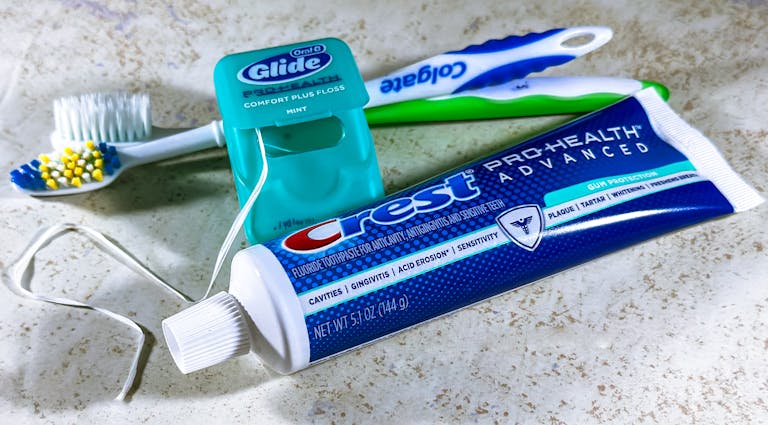
String Floss Is Not Working: A Simple Guide to Manual Between-Teeth Cleaners

String floss suits many tight spaces, but it is not the only manual option. Learn when a holder, pick, or sized interdental brush may help—and when to seek dental advice.

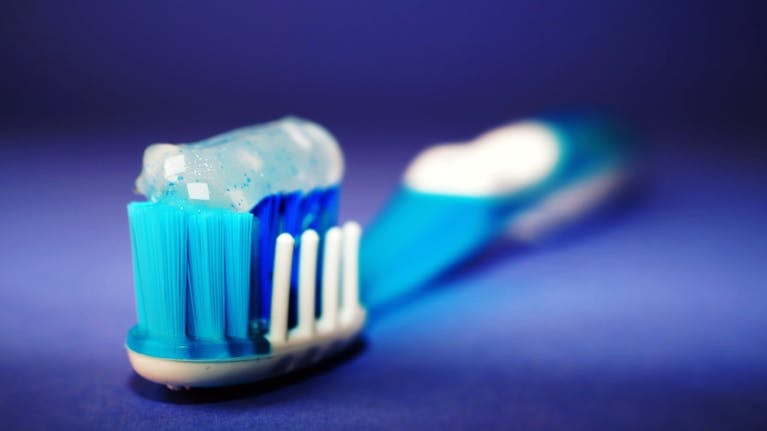
A small amount of bleeding can happen when flossing is new, but bleeding that keeps returning or comes with red, swollen, or receding gums should be checked.
A small amount of blood on floss can happen after a gap in cleaning, but it should start improving quickly. Learn when home care is reasonable, when bleeding should be booked for a dental exam, and how to keep cleaning between teeth gently while you wait.
If gum recession or larger spaces are making floss less effective, a manual interdental brush may help clean those areas better. Here is how to tell when it may fit, when floss still matters, and how to choose the right size safely.
For most families, the biggest dental hygiene wins are still the simplest ones: brush twice a day with fluoride toothpaste, use the right amount for age, floss where teeth touch, and keep preventive visits focused on your own cavity risk. Here is what current Canadian guidance says matters most in 2026.
End of content
End of content