
Known Metal or Resin Allergy? Questions Before a Crown, Bridge or Partial Denture
If you have had a rash from jewellery, irritation from acrylic nails, a reaction to an adhesive, or a problem after past dental treatment, mention it before a new crown, bridge, or partial denture is planned. This does not automatically mean you cannot have restorative treatment. It means the material discussion should be more specific.
A useful conversation starts with your actual history of symptoms and exposures, rather than a broad claim that one material is right for everyone. The restoration itself is only one part of treatment. Temporary materials, bonding agents, cements, acrylics, metal frameworks, and products used during the appointment can also be relevant.
Why a past material reaction matters
Report a previous reaction if it involved:
- Jewellery, watches, belt buckles, eyeglass frames, or other metal items that caused a rash or itching
- Acrylic nails, gel products, household glues, or adhesives that caused skin changes
- Latex products or a documented latex allergy
- A prior filling, crown, denture, mouthguard, orthodontic appliance, or dental adhesive followed by mouth irritation or a skin reaction
- Previous allergy or dermatology testing, including the written results if available
Details matter. Tell your dentist what product was involved, where the reaction occurred, how soon it started, what the symptoms were, and whether a physician or dermatologist confirmed the cause. Mouth irritation after dental treatment can have causes other than allergy, so the timing, location, examination findings, and product history help guide the next step.
What “biocompatible” means in treatment planning
In dentistry, biocompatibility is not a universal label or a guarantee that a product will be ideal for every person. It refers to choosing materials that are appropriate for an individual clinical situation and using them properly.
That choice can depend on the tooth being restored, the force of your bite, the amount of tooth structure remaining, whether the material contacts gum tissue, appearance goals, cleanability, expected wear, and any credible history of sensitivity. The scientific literature on biological responses to dental materials emphasizes that these responses are context-dependent rather than reducible to a simple “safe” or “unsafe” category.
For example, a material that works well on a front tooth may not be the best fit for a back tooth that takes heavy biting forces. Likewise, a reported metal sensitivity does not mean every dental alloy will cause a reaction. It does mean the specific alloy and its components deserve discussion.
The final restoration is not the only material involved
Indirect restorations are made outside the mouth and then fitted to the tooth. The American Dental Association describes common categories that may include ceramic materials, resin-based materials, metal alloys, or combinations of these.
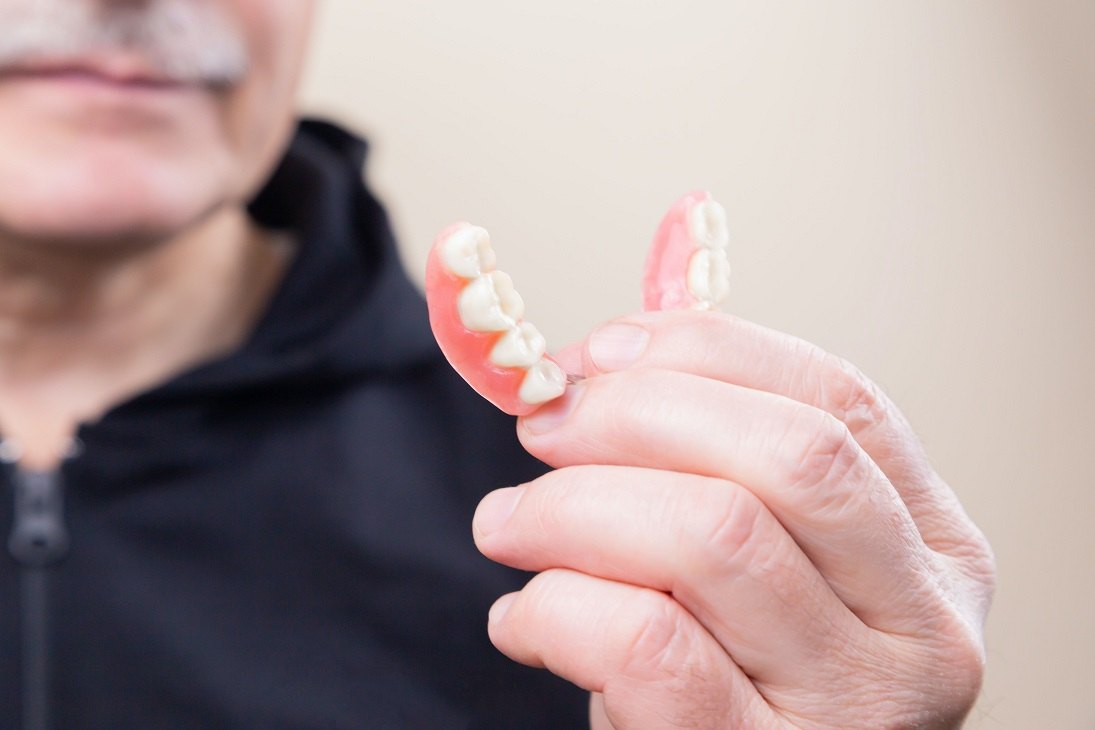
A crown, bridge, or removable partial denture may involve more than one material at different stages:
- Final restoration: ceramic, resin-based, metal, or layered materials
- Framework: a metal or non-metal structure that supports some bridges or partial dentures
- Temporary restoration: a short-term crown, bridge, or temporary denture material used while the final work is made
- Bonding agent or cement: materials used to attach the restoration to the tooth
- Acrylic components: commonly relevant to removable appliances and repairs
Latex sensitivity is also important to report, although it may relate more to products used during an appointment than to the crown or denture itself. Your dental team can take a documented sensitivity into account when planning treatment.
Questions to ask before treatment
You do not need to know every chemical name. These questions can help your dentist explain the plan in practical terms:
- What material options fit this tooth, my bite, and the location in my mouth?
- Could any option contain a component related to my known or suspected sensitivity?
- Does the temporary restoration matter in my situation?
- What cement, bonding agent, acrylic, or framework materials may be involved?
- What are the trade-offs in strength, appearance, wear, gum health, repairability, and long-term maintenance?
- Can the planned materials and relevant laboratory information be documented in my dental record?
- Would an allergy or dermatology referral be clinically useful before treatment?
A clear answer may include some uncertainty. Dentistry often involves balancing several valid priorities, including a reported sensitivity, durability, fit, appearance, and the ability to keep the area clean over time.
When records, patch testing, or referral may help
If you have a well-documented reaction to a metal, methacrylate-related resin, adhesive, or another relevant substance, bring the report to your consultation. A dentist can compare that information with the proposed treatment and decide whether a change in materials or further assessment is clinically sensible.
Patch testing may be useful in selected cases of suspected delayed hypersensitivity, particularly when a person has a credible history and a specific material exposure is under consideration. It is not routine screening before every crown or denture. Research on patch-test reactions to dental materials also has limits: patients studied are often referred because they already have symptoms or concerns, so the findings do not show how often reactions occur in the general population.
A positive patch test requires clinical interpretation. It can show that a person reacts to a tested substance on the skin, but it does not by itself prove that a dental material is causing mouth, skin, or general health symptoms. Similarly, a negative test does not explain every symptom. When needed, a dentist and an appropriate medical specialist can consider the history, examination findings, test results, and planned dental materials together.
What not to assume about symptoms or existing dental work
Symptoms such as fatigue, headaches, dry mouth, skin changes, or general discomfort can have many possible causes. They should not automatically be attributed to a dental material without an appropriate dental or medical assessment. Self-diagnosis can lead to unnecessary worry and may overlook another condition that needs attention.
The same caution applies to existing fillings, crowns, bridges, and dentures. Health Canada and the Canadian Dental Association do not recommend routinely replacing sound, functioning amalgam restorations solely because of generalized health concerns. A proven hypersensitivity or a clinical problem with a restoration calls for an individualized discussion; it does not create a one-size-fits-all reason to remove every restoration.
Preparing for a restorative consultation in Hamilton
Before your visit, make a short list of past reactions and bring any allergy records, product names, photographs of a past skin reaction, or previous dental information you have. At Excel Dental in Hamilton, a consultation can focus on whole-person, evidence-based treatment planning: reviewing your oral findings, health history, sensitivity concerns, and the practical strengths and limitations of each restorative option before treatment begins.
The goal is not to find a universally ideal material. It is to make a well-documented choice that fits your mouth, your health history, and the job the restoration needs to do.
Key sources
- American Dental Association: Materials for Indirect Restorations
- Government of Canada: Oral Health
- Canadian Dental Association: Dental Amalgam
- Patch Test Reactions to Dental Materials
This article is for general education only and does not replace personalized advice, diagnosis, or treatment from a licensed dentist.