
PREVENTION-FOCUSED CARE
We consider prevention, medical history, materials, comfort and long-term maintenance while keeping recommendations grounded in your dental examination.
HomeWhole-Person Dental Care
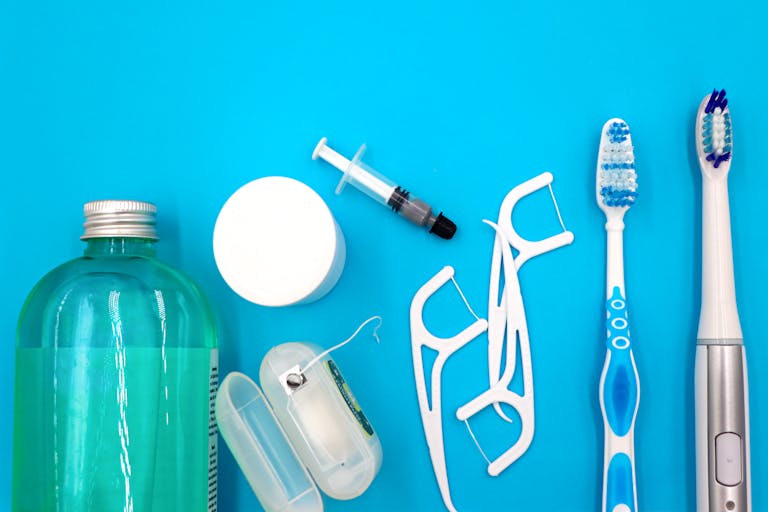

PREVENTION-FOCUSED CARE
Plan dental care with your health history and priorities in mind.
We consider prevention, medical history, materials, comfort and long-term maintenance while keeping recommendations grounded in your dental examination.
- Time to discuss health and material questions
- Prevention and conservative options considered
- Dental care coordinated with medical needs when appropriate
- Clear explanations grounded in your examination
WHAT TO EXPECT
How your health history and dental care fit together.
01
What whole-person dental care means here
At Excel Dental, whole-person dental care begins with prevention, a complete health history and recognition that oral health is part of overall health. It does not replace a dental diagnosis or evidence-based treatment planning.
The aim is to understand the patient’s priorities and health context while recommending care that is clinically appropriate and maintainable.
02
Your health history and material questions
Medications, allergies, medical conditions, pregnancy, sleep, tobacco use and other health information may affect dental care. Patients are also welcome to ask about the purpose, benefits, limitations and composition of proposed restorative materials.
03
Prevention and conservative options
The most conservative treatment is often the problem that can be prevented. Regular examinations, gum care, nutrition and home-care habits help identify risk early. When treatment is needed, alternatives can be compared according to diagnosis, tooth preservation, function and long-term maintenance.
04
Coordinating care when it is helpful
When a medical condition or medication may influence treatment, the dentist may recommend communication with the patient’s physician or another healthcare provider. Dental care should complement—not compete with—appropriate medical care.
RELATED SERVICES
Related Dental Care

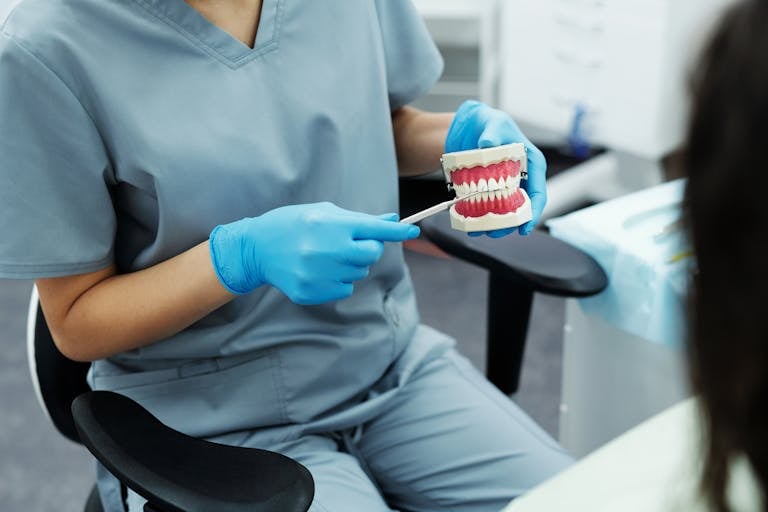
Preventive Dental Care
Checkups, cleanings and practical guidance based on each person’s oral-health risk.
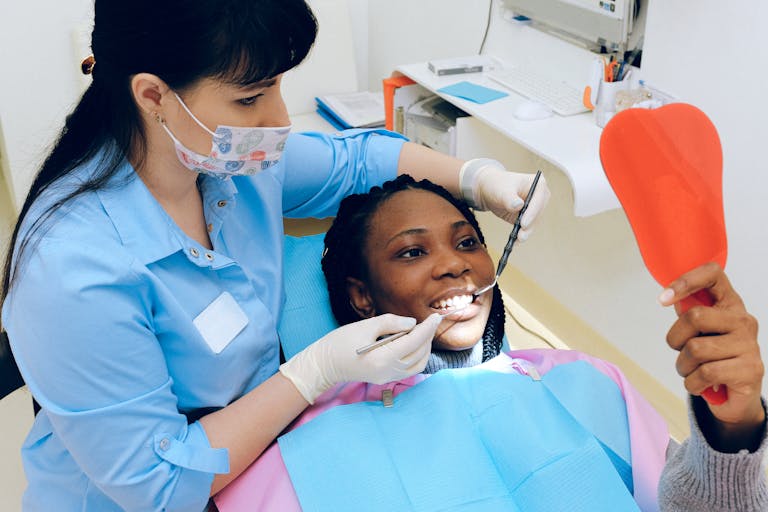
General Dentistry
Checkups, cleanings and treatment to keep your teeth and gums healthy.
COMMON QUESTIONS
Whole-person dental care questions
Find answers about prevention, health history, material questions and coordinating dental care with broader health needs.
What does whole-person dental care mean at Excel Dental?
It means considering dental findings alongside your medical history, medications, comfort, prevention goals and material questions while keeping recommendations evidence-based.
Can I ask about the materials used in my treatment?
Yes. Tell the dentist about allergies, sensitivities or preferences. The team can explain reasonable material options, their uses and their limitations.
Should healthy older fillings be removed simply because of their material?
Not automatically. Removal can sacrifice tooth structure and carries its own risks. The condition of the filling and tooth should guide the decision.
How does medical history affect dental treatment?
Conditions and medications can influence bleeding, healing, dry mouth, infection risk and treatment timing. An accurate health history supports safer planning.
Can dental care be coordinated with my physician?
When relevant and with your consent, the dentist may request medical information or communicate with another health professional about treatment considerations.
Is prevention part of a whole-person approach?
Yes. Home care, diet, saliva, gum health, grinding, smoking and maintenance schedules are considered because they affect long-term comfort and treatment durability.
Can I ask about BPA, metals or other material concerns?
Yes. The dentist can explain the materials reasonably available for the procedure, their evidence, limitations and whether a stated allergy or sensitivity changes the plan.
Do you consider minimally invasive treatment options?
When appropriate, monitoring, prevention and conservative repair options are discussed before more extensive treatment.
How do you keep recommendations evidence-based?
The dental examination, accepted clinical guidance, material properties and the patient’s health and goals are considered together rather than relying on a single philosophy or product claim.
READY FOR YOUR NEXT VISIT?
Keep routine dental care moving forward.
Request an appointment online or call the office at 905-529-2164.