
COSMETIC DENTISTRY
Tooth bonding uses tooth-coloured composite resin shaped directly on the tooth. For selected minor chips, cracks or gaps, it can be a cost-effective treatment that is often completed in one visit.
HomeTooth Bonding
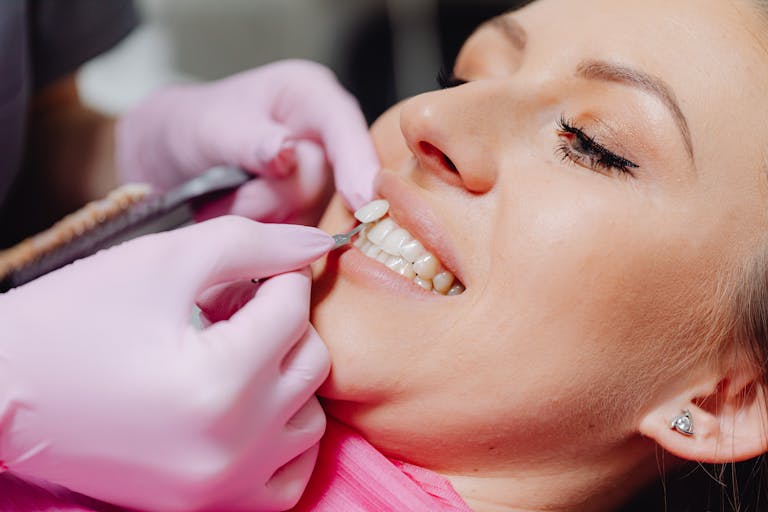

COSMETIC DENTISTRY
Repair small chips, cracks or gaps with tooth-coloured composite.
Tooth bonding uses tooth-coloured composite resin shaped directly on the tooth. For selected minor chips, cracks or gaps, it can be a cost-effective treatment that is often completed in one visit.
- Review whether bonding suits the concern
- Match and shape resin to the surrounding tooth
- Compare bonding with veneers or crowns
- Plan for polishing, repair and future touch-ups
WHAT TO EXPECT
What to know before choosing tooth bonding.
01
What bonding may be able to change
Tooth bonding uses tooth-coloured composite resin to repair or reshape selected areas. It may be considered for a small chip, worn edge, limited crack, modest gap, uneven contour or localized colour concern when the tooth and bite are suitable.
Bonding is not the right answer for every fracture or space. Larger structural problems, heavy bite forces or extensive colour changes may be better managed with another treatment.
02
How composite resin is placed
The tooth is cleaned and prepared so the composite resin can bond to the surface. Resin is selected to blend with nearby teeth, placed in layers, shaped and hardened with a light. The dentist then refines the contours and checks the bite.
Many direct bonding procedures can be completed in one appointment, although treatment time varies with the number of teeth and the amount of shaping required.
03
Comparing bonding with veneers or crowns
Bonding is placed directly and often requires little or no removal of healthy tooth structure. Porcelain veneers may offer different colour stability and strength for broader cosmetic changes, while a crown may be needed when the tooth requires structural coverage.
The dentist can explain the expected appearance, maintenance, cost and limitations of each option before you decide.
04
Caring for bonded teeth
Composite resin can stain, wear or chip over time. Daily plaque control, regular examinations and avoiding habits such as biting hard objects help protect the restoration.
Bonding can often be polished, touched up or repaired. Contact the office when a bonded area feels rough, catches floss, changes the bite or becomes damaged.
RELATED SERVICES
Related Dental Care
COMMON QUESTIONS
Tooth bonding questions
Find answers about tooth bonding, staining, repairs, longevity and whether another cosmetic option may suit you better.
What can tooth bonding improve?
Bonding may repair selected small chips, worn edges, minor cracks, narrow gaps or uneven shapes. The dentist checks the tooth and bite to see whether composite resin is a suitable option.
Can tooth bonding be completed in one visit?
Many limited bonding treatments can be completed in one appointment because the material is shaped directly on the tooth. More extensive changes may require another approach.
Does bonding require removing tooth structure?
Bonding is often conservative and may require little tooth reduction, but the surface must be prepared so the resin can attach predictably. The exact preparation depends on the tooth and the planned change.
How long does tooth bonding last?
Longevity varies with bite forces, habits, location, stain exposure and maintenance. Bonding can chip, wear or discolour and may need polishing, repair or replacement over time.
Is bonding the same as a porcelain veneer?
No. Bonding uses composite resin placed directly on the tooth. A veneer is a laboratory-made porcelain restoration with different preparation, colour stability, strength and cost considerations.
Can bonding close a gap between teeth?
Bonding can reduce selected small spaces, but the bite, tooth proportions and gum health must be assessed. Larger spaces or alignment concerns may be better treated with orthodontics or another option.
Will bonding whiten with my natural teeth?
No. Composite resin does not respond to whitening in the same way as enamel. Whitening is usually planned before bonding when shade changes are desired.
How should I care for a bonded tooth?
Clean it normally and avoid biting hard objects with the repaired edge. Regular examinations help identify wear, staining or small chips early.
Can damaged bonding be repaired?
Often, yes. A small chip or rough area may be polished or repaired, although larger failure or repeated damage may require replacement or another restoration.
READY FOR YOUR NEXT VISIT?
Keep routine dental care moving forward.
Request an appointment online or call the office at 905-529-2164.