
FAMILY DENTISTRY
Restorative dental care may include fillings, crowns, root canal treatment and tooth-replacement options selected according to the condition of the tooth, your bite, comfort and long-term goals.
HomeRestorative Dental Care
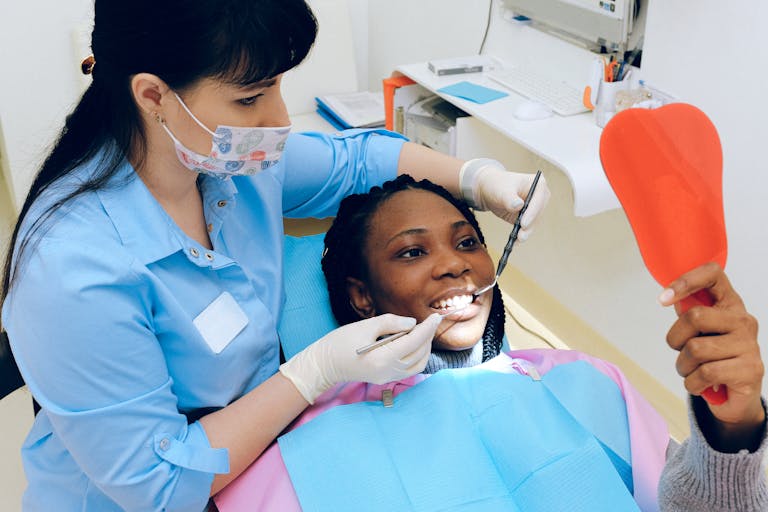

FAMILY DENTISTRY
Repair damaged teeth and restore comfortable everyday function.
Restorative dental care may include fillings, crowns, root canal treatment and tooth-replacement options selected according to the condition of the tooth, your bite, comfort and long-term goals.
- Understand what needs repair and why
- Compare fillings, crowns and other options
- Sequence treatment around your priorities
- Plan maintenance to protect the result
WHAT TO EXPECT
How restorative care helps repair and protect teeth.
01
Starting with a clear diagnosis and priorities
Restorative treatment begins by identifying decay, cracks, worn areas, failing dental work, infection or missing teeth. The dentist also considers symptoms, bite forces, gum health, medical history and how much healthy tooth remains.
When several areas need attention, the plan can separate urgent needs from treatment that may be monitored or scheduled later.
02
Repairing small or moderate damage
Fillings and other direct restorations may be appropriate when enough healthy tooth remains to support a predictable repair. Material choice, colour, location and the forces on the tooth are discussed before treatment.
The dentist removes damaged or decayed material, restores the shape and checks the bite so the tooth can function comfortably.
03
Protecting weakened or root-treated teeth
A crown may be considered when a tooth has a large filling, fracture, extensive wear or root canal treatment and needs more coverage than a filling can provide. The recommendation depends on the remaining structure and the tooth’s role in the bite.
04
Replacing missing teeth and maintaining the result
Missing teeth may be replaced with a bridge, denture, implant-supported restoration or another plan when treatment is appropriate. The choice depends on the surrounding teeth, bone, health, maintenance needs and personal priorities.
Restorations still need daily cleaning, regular examination and repair or replacement when they wear, chip, loosen or develop decay around their edges.
RELATED SERVICES
Related Dental Care
COMMON QUESTIONS
Restorative dental care questions
Find answers about fillings, crowns, repairing damaged teeth, treatment sequence and costs.
What is included in restorative dental care?
Restorative care may include tooth-coloured fillings, crowns, root canal treatment, repairs to chipped or worn teeth and planning for missing teeth. The right option depends on the examination.
How do you choose between a filling and a crown?
A filling may suit a smaller area of damage. A crown may be considered when a tooth has lost more structure, has a large existing restoration or needs greater protection from biting forces.
Can restorative treatment improve how a tooth looks?
Often, yes. Tooth-coloured materials can improve shape and colour while rebuilding function, but the health and strength of the tooth come first.
Can treatment be completed over several visits?
Yes. When several teeth need care, the dentist can prioritize pain, infection risk and tooth strength, then sequence the work into manageable appointments.
Will the repaired tooth feel different?
A new restoration can feel unfamiliar at first. The bite is checked before you leave, and you should contact the office if the tooth feels high, sore or difficult to use after the expected adjustment period.
How are treatment costs explained?
After the recommended options and sequence are discussed, the office can provide an estimate and explain which parts of the plan may occur at separate visits.
How long should a restoration last?
There is no fixed lifespan. Material, size, location, bite forces, decay risk and maintenance all influence longevity, so restorations are monitored at regular examinations.
Will my bite be checked after a repair?
Yes. The dentist checks how the restored tooth contacts the opposing teeth and adjusts it when needed. Call if the bite feels high after the numbness is gone.
Can preventive care reduce future repairs?
It can reduce risk. Fluoride, effective cleaning, diet changes, treatment of dry mouth and regular monitoring help protect both natural teeth and restorations.
READY FOR YOUR NEXT VISIT?
Keep routine dental care moving forward.
Request an appointment online or call the office at 905-529-2164.