
FAMILY DENTISTRY
Adult dental care may include preventive visits, gum care, repairs to worn or damaged teeth and planning around work, family responsibilities, health changes and long-term goals.
HomeAdult Dental Care
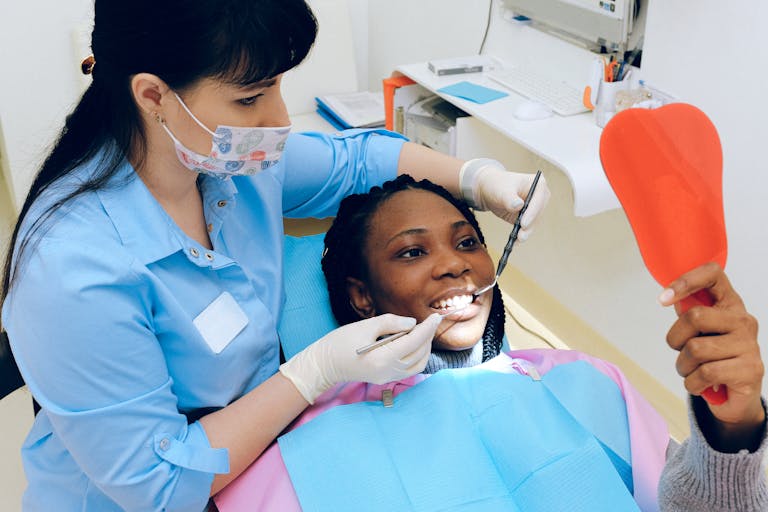

FAMILY DENTISTRY
Keep your smile comfortable as your needs and priorities change.
Adult dental care may include preventive visits, gum care, repairs to worn or damaged teeth and planning around work, family responsibilities, health changes and long-term goals.
- Maintenance that fits your oral-health risk
- Options for worn, damaged or missing teeth
- Gum health and medical changes considered together
- Treatment planned around your priorities and pace
WHAT TO EXPECT
Dental care that works with adult life.
01
Maintaining teeth and gums when life is busy
Work, family and other responsibilities can make dental care easy to postpone. Regular examinations and cleanings help keep small concerns visible and make it easier to plan care before discomfort or breakage changes your schedule.
Your recall interval and visit priorities are based on your oral health rather than a fixed plan for every adult.
02
Repairing worn, damaged or heavily restored teeth
Old fillings, cracked teeth, erosion and grinding can gradually affect comfort and strength. The dentist looks at the whole bite before recommending a filling, crown, nightguard or another restorative option.
When several teeth need attention, treatment can often be sequenced so the most important concerns are addressed first.
03
Gum health, medical history and medications
Bleeding gums, dry mouth and slower healing can be influenced by health conditions, medications and lifestyle. An updated health history helps the dentist interpret what is happening and coordinate with other healthcare providers when appropriate.
04
Planning around your priorities
Adults may be balancing comfort, appearance, time, insurance and budget. We explain which needs are urgent, which options can be staged and what maintenance each choice is likely to involve so you can make an informed decision.
RELATED SERVICES
Related Dental Care

Preventive Dental Care
Checkups, cleanings and practical guidance based on each person’s oral-health risk.
Restorative Dental Care
Fillings, crowns and other options to repair damaged teeth and restore comfortable function.
COMMON QUESTIONS
Adult dental care questions
Find answers about returning after time away, sensitivity, gum health and planning care around a busy life.
What if I have not visited a dentist in several years?
You can start with an examination and conversation. The goal is to understand your current health, address urgent concerns and build a manageable plan without judgment.
Can regular care help avoid larger dental problems?
Routine visits can identify changes earlier, when treatment may be simpler. They cannot prevent every problem, but they support timely decisions and ongoing maintenance.
Can my appointment plan account for a busy schedule?
Tell the office about your timing needs when you request an appointment. The team can explain available options and help sequence treatment when several visits are needed.
Should I mention tooth sensitivity even when it comes and goes?
Yes. Sensitivity may relate to enamel wear, gum recession, a crack, decay, grinding or another cause. Details about when it happens help guide the examination.
How are old fillings and crowns monitored?
The dentist checks their margins, bite, wear, cracks and the tooth around them. A restoration is replaced only when the findings support treatment.
Can preventive and cosmetic goals be discussed at the same visit?
Yes. Oral health is assessed first, then cosmetic goals can be considered alongside any necessary restorative or gum treatment.
Can grinding or clenching damage my teeth?
Repeated heavy forces can contribute to wear, cracks, muscle soreness and damage to restorations. The dentist can look for signs and discuss practical management options.
Can missing teeth affect the rest of my bite?
They can. Nearby teeth may shift and chewing forces may change. Replacement is not automatic, but the consequences and available options should be reviewed.
Why do medical changes matter to dental care?
Conditions and medications can affect saliva, bleeding, healing, infection risk and treatment timing. Keep the dental team informed about changes.
READY FOR YOUR NEXT VISIT?
Keep routine dental care moving forward.
Request an appointment online or call the office at 905-529-2164.