
ORAL SURGERY
When a tooth is severely decayed, fractured, infected or affecting nearby teeth, extraction may be the most appropriate option. We explain why removal is being considered, what alternatives exist and how to prepare for recovery.
HomeTooth Extractions

ORAL SURGERY
Remove a tooth that cannot be predictably repaired, with a plan for healing and what comes next.
When a tooth is severely decayed, fractured, infected or affecting nearby teeth, extraction may be the most appropriate option. We explain why removal is being considered, what alternatives exist and how to prepare for recovery.
- Understand why extraction is being recommended
- Review alternatives when a tooth may still be repairable
- Know what to expect during healing
- Discuss tooth-replacement options when they are relevant
WHAT TO EXPECT
What to expect when a tooth needs to be removed.
01
Why extraction may be recommended
A tooth may need to be removed when decay, fracture, infection, severe gum damage or another problem leaves too little healthy structure for a predictable repair. Extraction can also be part of a broader orthodontic or restorative plan.
Before recommending removal, the dentist considers the condition of the tooth, symptoms, nearby teeth, available treatment alternatives and what the space will mean for your bite.
02
Planning the procedure
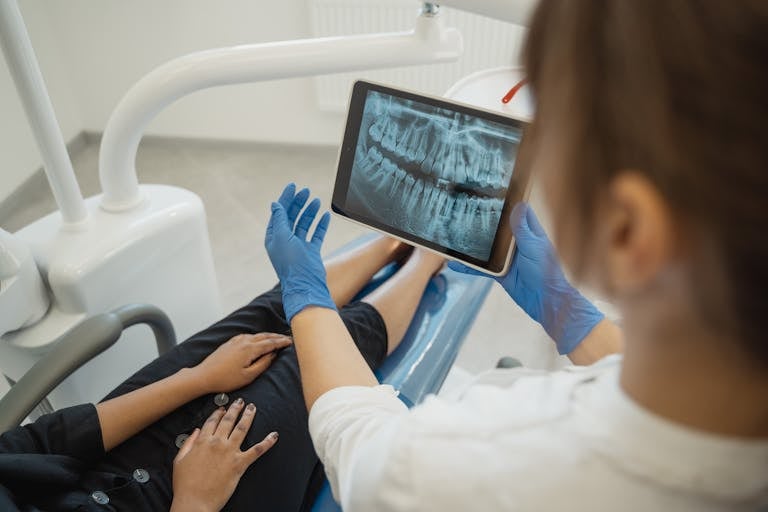
Planning may include a health-history review, examination and radiographs. The position and shape of the roots, surrounding bone, nearby structures and any active infection help determine whether the tooth can be removed with a straightforward or surgical approach.
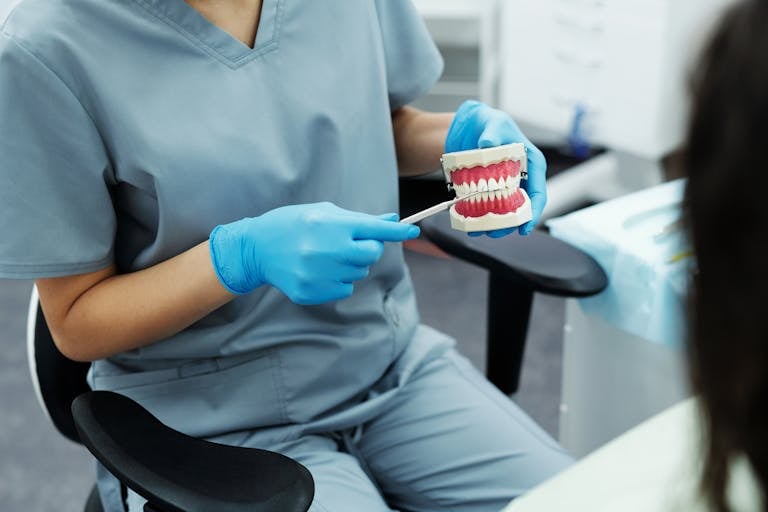
The dentist will explain local anaesthesia, any additional comfort options, expected procedure time and whether another provider should be involved.
03
Healing after an extraction
A blood clot forms in the socket and protects the area while it begins to heal. Follow the written instructions for pressure, eating, cleaning, activity and medication. Avoid disturbing the socket during the early healing period.
Contact the office if bleeding does not slow, swelling or pain increases unexpectedly, fever develops or you have another concern about recovery.
04
Planning what comes next
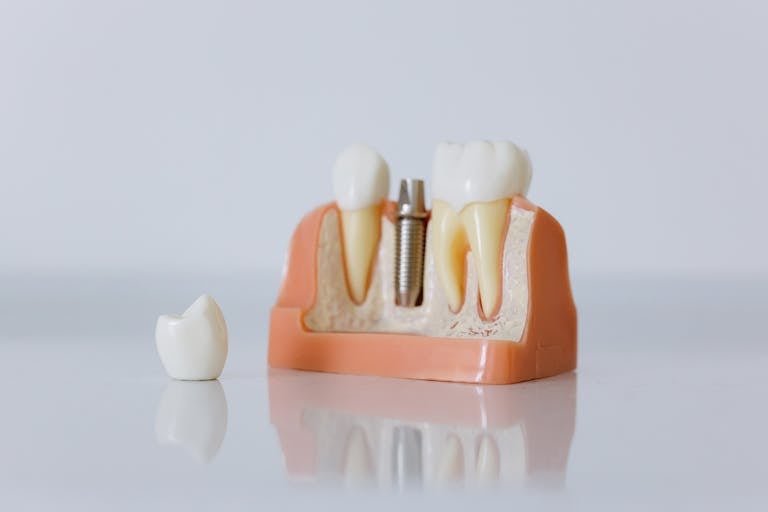
Not every extracted tooth needs to be replaced, but losing a tooth can affect appearance, chewing, neighbouring teeth and the opposing bite. When replacement is relevant, options such as an implant, bridge or denture can be discussed before or after healing.
RELATED SERVICES
Related Dental Care
Wisdom Teeth Removal
Assess and remove problematic third molars when there is a clear clinical reason.
COMMON QUESTIONS
Tooth extraction questions
Find answers about why extraction may be recommended, how to prepare and what to expect while the area heals.
When does a tooth need to be removed?
Extraction may be considered when decay, fracture, infection, gum disease or another problem leaves the tooth with a poor prognosis. An examination and appropriate imaging are needed before a recommendation is made.
Is every extraction the same?
No. Some teeth can be removed with a straightforward approach, while others require a surgical technique because of their position, shape or surrounding bone.
What happens after the tooth is removed?
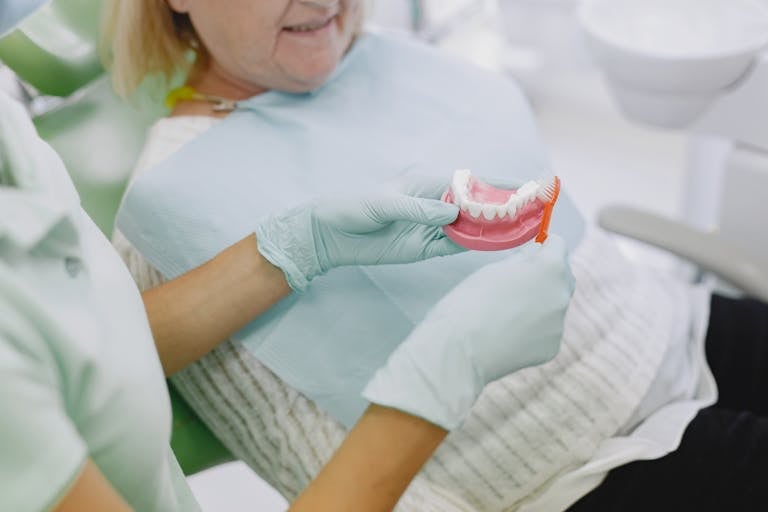
You will receive instructions for bleeding control, cleaning, eating and activity. Follow-up and replacement planning depend on the tooth, healing and your overall treatment plan.
How is discomfort managed after an extraction?
The dentist will discuss appropriate pain control based on the procedure and your health history. Use medication only as directed and call if pain is severe, increasing or accompanied by another concern.
What can I eat while the area heals?
Soft, cool or lukewarm foods are usually easiest at first. Avoid chewing directly on the site and follow the specific instructions about straws, smoking and food texture.
When can a missing tooth be replaced?
Timing depends on the tooth, infection, bone, healing and the replacement option. Some planning can begin before extraction, while final treatment may wait for healing.
How long does the extraction site take to heal?
Initial soft-tissue healing often occurs over the first few weeks, while the bone changes for longer. The exact course depends on the tooth, procedure and your health.
What is socket preservation?
Socket preservation is a bone-grafting procedure sometimes used after extraction to help maintain the ridge for a future restoration. It is not required in every case.
What should I avoid after an extraction?
Avoid smoking or vaping, vigorous rinsing, straws and disturbing the socket during the early healing period. Follow the written instructions for cleaning, diet and activity.
READY FOR YOUR NEXT VISIT?
Keep routine dental care moving forward.
Request an appointment online or call the office at 905-529-2164.