
GUM HEALTH
Gum treatment is based on what we find during your examination, including bleeding, pocket depth, recession, bone support and home-care needs.
HomeGum Disease Treatment
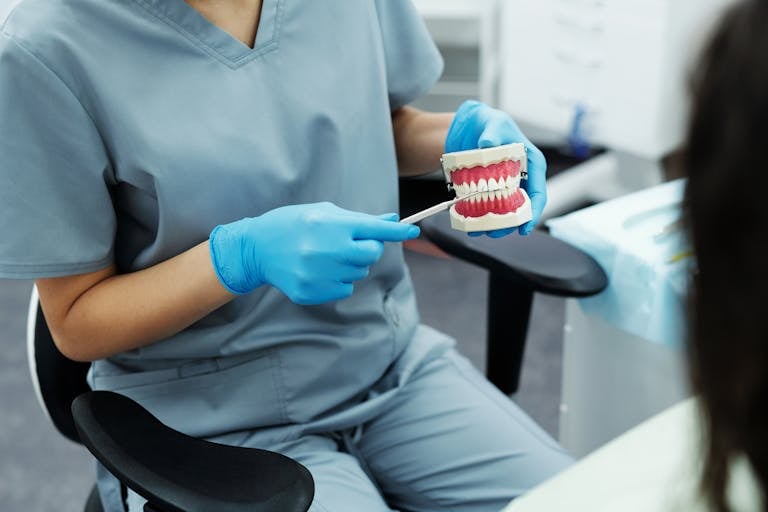

GUM HEALTH
Control gum disease and protect the support around your teeth.
Gum treatment is based on what we find during your examination, including bleeding, pocket depth, recession, bone support and home-care needs.
- Clear measurements and diagnosis
- Cleaning below the gumline when needed
- Home-care advice you can use
- A maintenance schedule based on your risk
WHAT TO EXPECT
What to expect from gum treatment and maintenance.
01
How we check your gum health
Gum disease can involve inflammation at the gumline and, in more advanced cases, loss of the bone and attachment supporting the teeth. Assessment may include gum measurements, bleeding, recession, mobility, plaque levels, bite factors and radiographs.
02
Changes you should tell us about
Bleeding, persistent bad breath, swollen gums, recession, loose teeth or changes in spacing should be examined. Gum disease can also progress with few obvious symptoms, which is one reason regular examinations matter.
03
Treating gum disease
Non-surgical treatment often begins with thorough removal of plaque and hardened deposits above and below the gumline, together with home-care changes. Selected areas may require additional treatment or referral depending on the diagnosis and response.
04
Keeping gum disease under control
After active treatment, a personalized maintenance schedule helps control the bacterial buildup and risk factors that contributed to the condition. These visits are not simply routine cleanings; they are part of ongoing disease management.
RELATED SERVICES
Related Dental Care

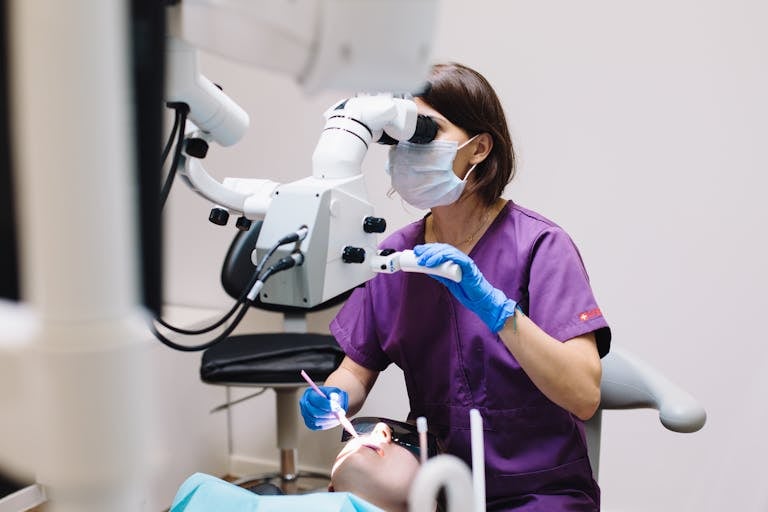
Preventive Dental Care
Checkups, cleanings and practical guidance based on each person’s oral-health risk.
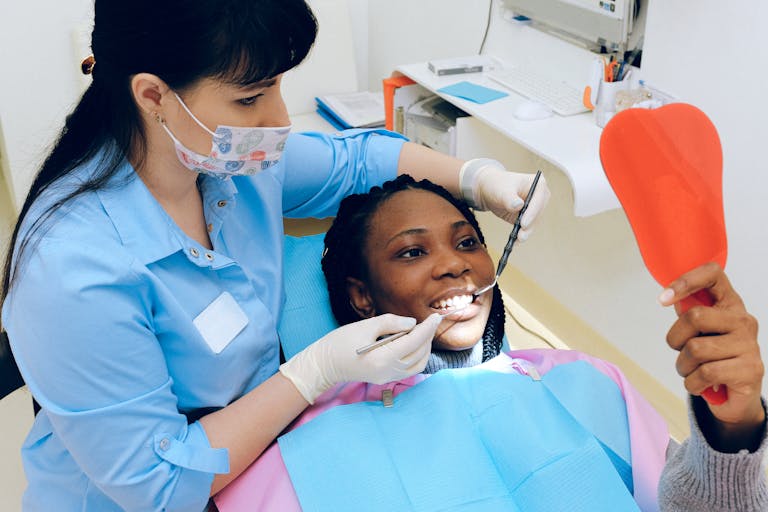
General Dentistry
Checkups, cleanings and treatment to keep your teeth and gums healthy.
COMMON QUESTIONS
Gum disease treatment questions
Find answers about bleeding gums, periodontal treatment, maintenance visits and protecting the bone around your teeth.
What are common signs of gum disease?
Bleeding, swelling, persistent bad breath, recession, loose teeth or changes in the bite can occur, although gum disease may also progress with few obvious symptoms.
Can gum disease be reversed?
Early gingivitis can often improve with professional cleaning and effective home care. Bone loss from periodontitis cannot be reversed, but treatment can help control the disease.
What is cleaning below the gumline?
Scaling and root planing remove deposits and disrupt bacteria from deeper areas around the roots. The treatment plan depends on pocket depths, inflammation and bone support.
Why are maintenance visits more frequent after gum treatment?
Periodontal maintenance helps control deposits and inflammation in areas that are difficult to clean and allows the team to monitor pocket depths and stability.
What can I do at home to support my gums?
Brush thoroughly along the gumline, clean between the teeth and follow any instructions for brushes, floss, water flossers or other aids recommended for your mouth.
Can gum health affect implant or restorative treatment?
Yes. Active inflammation, bone support and ability to maintain the area are considered before implants, crowns and other long-term restorative treatment.
Can lost bone around teeth grow back?
Some defects may be treated with regenerative procedures, but not all bone loss can be restored. The main goals are controlling inflammation and maintaining the remaining support.
How does smoking affect gum treatment?
Smoking increases periodontal risk and can reduce healing and treatment response. Reducing or stopping tobacco use supports better outcomes.
How is periodontal maintenance different from a regular cleaning?
Periodontal maintenance focuses on previously treated gum disease, including deeper areas, inflammation and pocket measurements, and is scheduled according to risk.
READY FOR YOUR NEXT VISIT?
Keep routine dental care moving forward.
Request an appointment online or call the office at 905-529-2164.