
DENTAL TECHNOLOGY
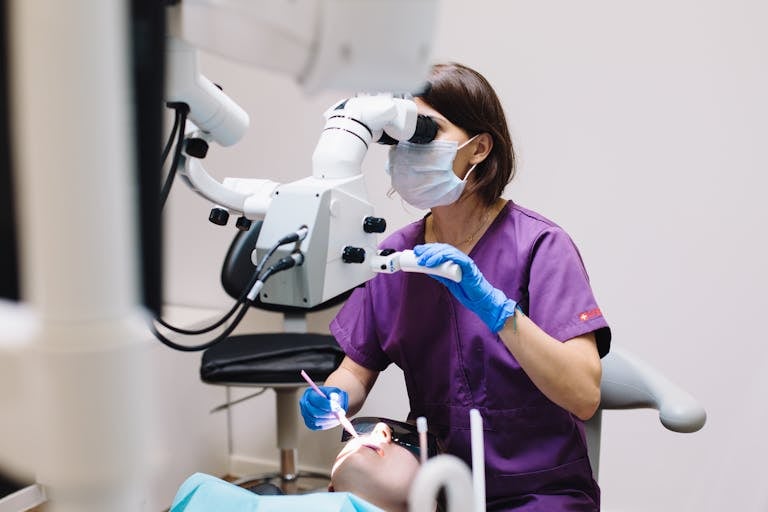
The Fotona LightWalker can be used for selected hard- and soft-tissue procedures. We explain why it may be useful, what the alternatives are and what to expect.
HomeLaser Dentistry
DENTAL TECHNOLOGY
Use laser technology when it offers a practical benefit.
The Fotona LightWalker can be used for selected hard- and soft-tissue procedures. We explain why it may be useful, what the alternatives are and what to expect.
- Technology chosen for a clinical reason
- Benefits and limits explained in plain language
- Conventional options discussed when appropriate
- Follow-up remains part of the treatment plan
WHAT TO EXPECT
When laser dentistry may be part of your treatment.
01
What the Fotona LightWalker does
The Fotona LightWalker is a dental laser platform that can deliver different wavelengths for selected hard- and soft-tissue procedures. The technology is a treatment tool; the diagnosis and clinical objective determine whether it should be used.
02
When laser dentistry may be considered
Depending on the case and the dentist’s assessment, laser energy may assist with selected gum procedures, cavity preparation, endodontic disinfection, management of tissue around implants or removal of certain restorative materials.
Not every procedure is better suited to a laser, and conventional instruments may still be required.
03
Benefits, limits and alternatives
Laser treatment can allow precise energy delivery and may reduce bleeding or the need for some conventional steps in selected procedures. Comfort, healing and treatment time vary with the procedure and the individual.
The dentist should explain the reason for using the laser, available alternatives and the expected aftercare before treatment begins.
04
How laser treatment fits with ongoing care
Laser technology does not replace regular examinations, preventive care or maintenance. Results still depend on the underlying condition, home care and appropriate follow-up.
RELATED SERVICES
Related Dental Care
General Dentistry
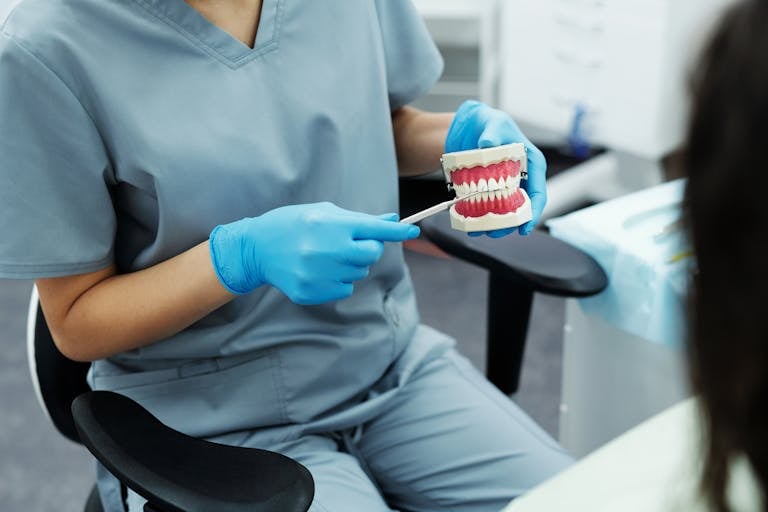
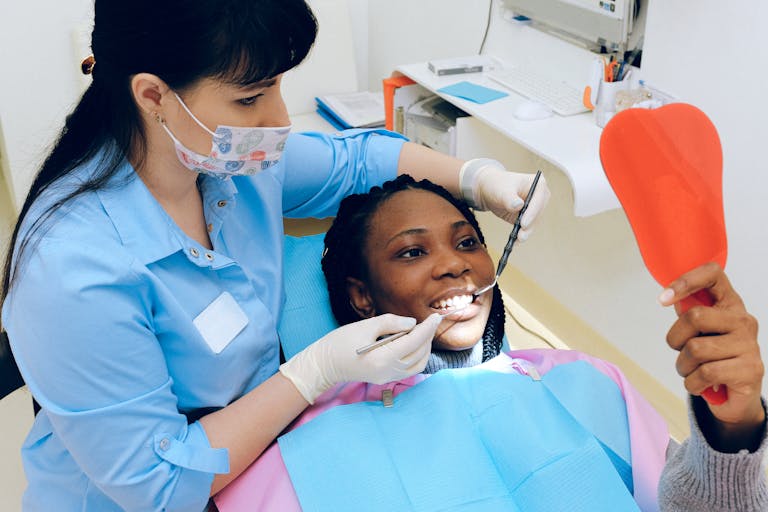
Checkups, cleanings and treatment to keep your teeth and gums healthy.
COMMON QUESTIONS
Laser dentistry questions
Find answers about when laser dentistry may be considered, its limits and the conventional alternatives available.
What dental procedures may use the Fotona LightWalker?
The system may be used for selected soft-tissue, gum, restorative or other dental procedures when the dentist believes it offers a useful clinical option.
Does laser dentistry replace conventional instruments?
Not always. A laser may be used alone or with conventional instruments. The method depends on the tissue, access, treatment goal and evidence for the procedure.
Can laser treatment make a visit more comfortable?
For some procedures it may reduce vibration, bleeding or the need for sutures. Anaesthetic may still be needed, and comfort varies by patient and treatment.
Is laser dentistry safe?
Dental lasers are used with procedure-specific settings, training and protective eyewear. The dentist will explain why the technology is being considered for your case.
What is recovery like after a laser procedure?
Recovery depends on the tissue and procedure. You will receive instructions for eating, cleaning, medication and when to contact the office.
Does laser treatment cost more?
Fees depend on the procedure rather than the device alone. The office can review the proposed treatment and estimate before you proceed.
Why might a dentist choose a laser for my procedure?
A laser may offer useful tissue control, access or comfort for a selected procedure. The dentist should explain the specific clinical reason rather than using it simply because the device is available.
Why is protective eyewear required?
Dental lasers use concentrated light. Everyone in the treatment area wears wavelength-appropriate eye protection for safety.
Does laser treatment always avoid local anaesthetic?
No. Some procedures may require less anaesthetic, while others still need normal numbing. The tissue, depth and individual sensitivity determine what is appropriate.
READY FOR YOUR NEXT VISIT?
Keep routine dental care moving forward.
Request an appointment online or call the office at 905-529-2164.