
New to Hamilton? When to Book a Wisdom-Tooth Assessment Before a Busy Term
Starting school in a new city can make it easy to put dental questions aside. If you do not have current symptoms but have had a wisdom tooth monitored before, have not had it assessed recently, or want to understand your options, a visit before a demanding school period can be useful planning.
A wisdom-tooth assessment is not the same as committing to removal. Its purpose is to find out what is happening now, whether monitoring may make sense, and whether there are concerns to discuss before a busy period.
Routine planning visit or a sooner assessment?
A non-urgent planning appointment may make sense if a dentist has previously mentioned a wisdom tooth, you have older records that have not been reviewed in some time, or you want to understand your options before a busy term.
Contact a dentist sooner if you have pain near a back tooth, tender or swollen gum tissue in that area, an unpleasant taste, repeated gum inflammation, or difficulty opening your mouth. These symptoms do not confirm that a wisdom tooth is impacted or that there is a particular infection. They do, however, deserve an examination rather than waiting for the next convenient school break.
If symptoms are rapidly worsening or you are concerned about your overall health, seek prompt professional assessment.
What a wisdom-tooth assessment can clarify
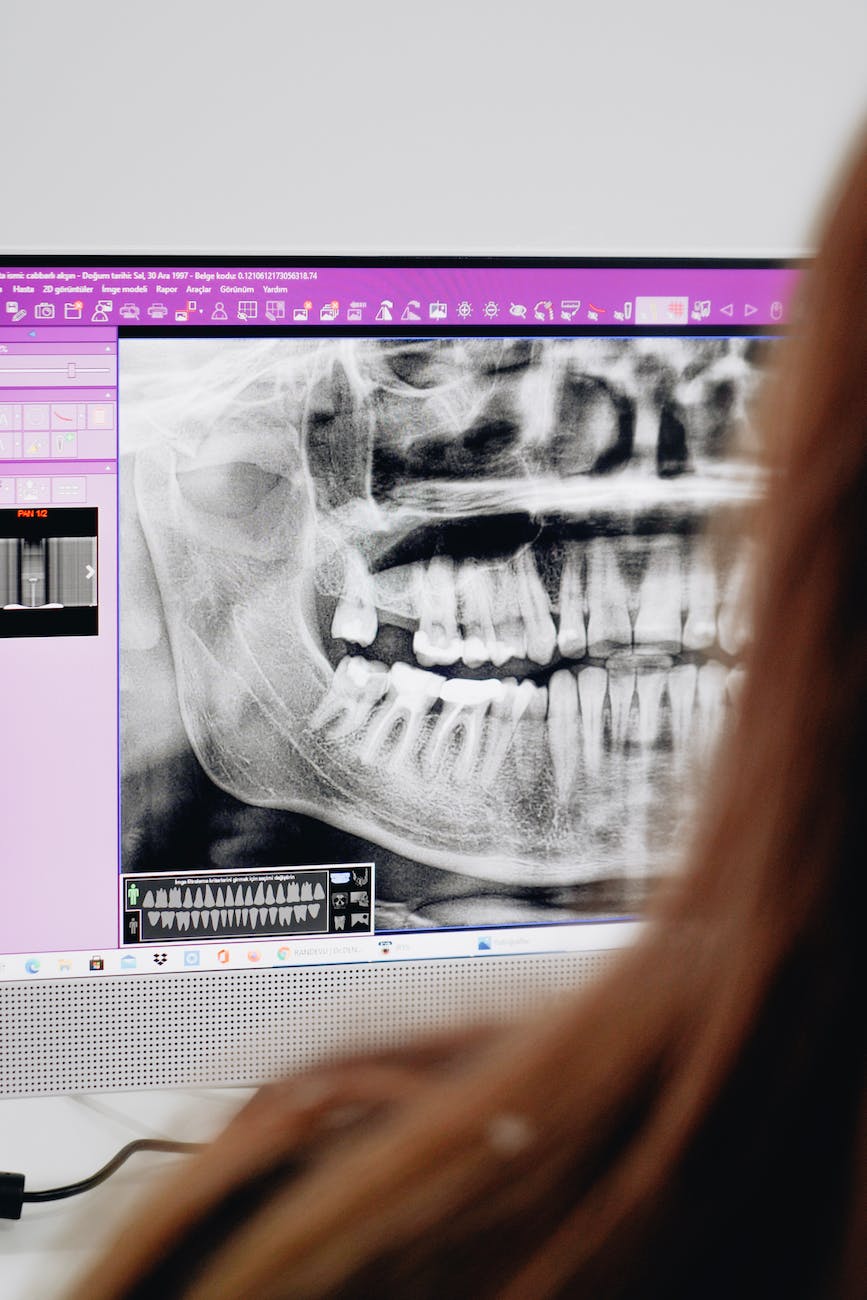
Depending on your circumstances, a first visit may include your dental and health history, a close examination of the back teeth and gums, and dental imaging when it is clinically indicated. Dental x-rays can help show whether a tooth is blocked from erupting and how it relates to nearby teeth.
The examination helps assess visible teeth and gum tissue. Imaging can provide additional information that is not always available from a visual examination alone, including:
- the position and angle of the wisdom tooth;
- how much of the tooth has erupted, if any;
- its relationship to nearby teeth, bone, and other structures; and
- whether there are changes that suggest disease or another concern worth discussing.
The American Association of Oral and Maxillofacial Surgeons describes wisdom-tooth evaluation as patient-specific: health and dental history, clinical findings, imaging, possible disease, risks, and a person’s preferences all matter. A recommendation should follow the assessment, not come before it.
An impacted wisdom tooth does not automatically need removal
An impacted wisdom tooth is one that has not erupted into a normal position. Some can cause problems, while others may remain symptom-free and have no identified disease for a period of time. Symptoms alone cannot determine the cause of a concern near the back of the mouth.
Removal is not automatic for every symptom-free, disease-free impacted wisdom tooth. A Cochrane systematic review found insufficient evidence to establish a universal routine-removal or routine-retention rule for these teeth. That evidence limit does not mean that keeping every impacted tooth is harmless; it means the decision needs an individualized conversation about current findings, future monitoring, potential risks, and your priorities.
Useful questions to ask include:
- What does the examination and imaging show?
- Is there a reason to monitor this tooth now?
- What changes should prompt me to contact the office?
- Would treatment offer a clear benefit in my situation?
- When should this area be reviewed again if we choose monitoring?
How to prepare for a first appointment
A little preparation can make a first visit more efficient, especially when you are new to Hamilton. Before your appointment, make a short note of when symptoms started, whether they come and go, and what seems to trigger them. Bring or share your current medications, relevant health history, and details of past wisdom-tooth concerns.
If you had dental care elsewhere, ask whether previous records or x-rays would be useful. Your new dentist can tell you what information may help and whether new imaging is needed based on the examination.
Plan around classes and exams, not around assumptions
McMaster University and Mohawk College publish academic and important-date calendars that can help students identify demanding periods, such as exams or major term transitions. Check the current calendar for your own program before booking, since dates can change by year and program.
For a non-urgent concern, choosing a quieter point in the term can give you time to ask questions and consider recommendations. If you are having new or repeated symptoms, though, it is better to contact a dentist rather than assume the issue can wait until a break.
A calm next step in Hamilton
If you are new to the area and want to review a wisdom-tooth concern before a busy academic period, you can plan a first appointment at Excel Dental downtown. The visit can focus on your symptoms, records, examination findings, and the questions that matter to you—without presuming that extraction is the next step.
Key sources
- MedlinePlus: Impacted Tooth
- AAOMS: Management of Impacted Third Molars
- Cochrane Review: Wisdom Tooth Removal or Retention
- McMaster University: Dates and Deadlines
This article is for general education only and does not replace personalized advice, diagnosis, or treatment from a licensed dentist.