
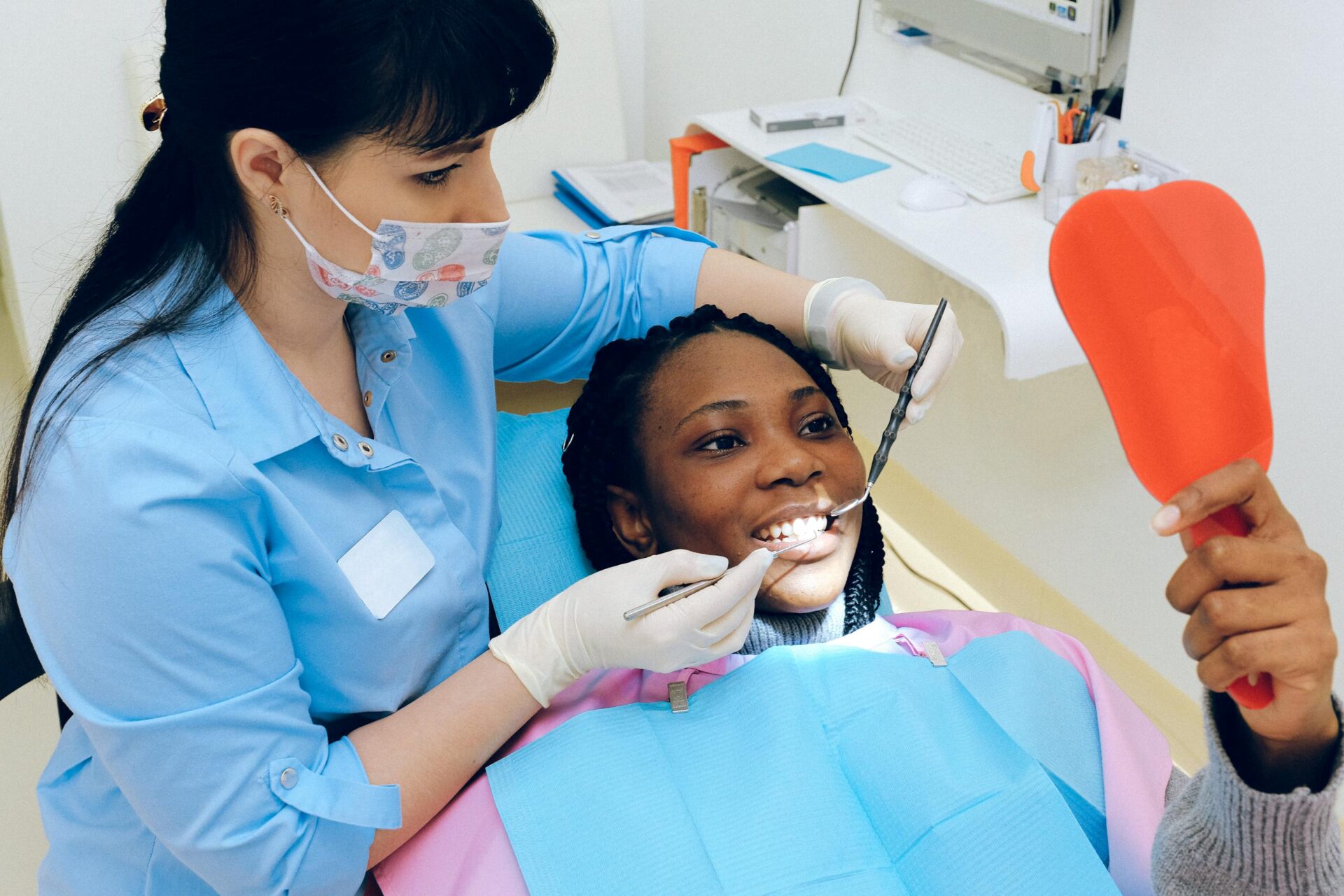
Periodontal Maintenance After Gum Therapy: Why Your Recall Schedule Is Personal
After active gum treatment, the next phase is periodontal maintenance: ongoing supportive care designed to monitor your gums, remove plaque and calculus that have accumulated, reinforce home-care habits, and identify changes that may need attention. It is not simply a standard preventive cleaning on a fixed calendar.
Symptoms of gum disease may lessen after treatment, but periodontitis can recur or progress without ongoing monitoring. Periodontal maintenance helps your dental team assess for inflammation and areas that may need closer care over time. If you are still learning about active treatment, this overview of care for gum disease explains the goals of treatment and follow-up.
Why maintenance is different from a routine cleaning
A routine preventive visit may be appropriate for someone without a history of periodontitis. Periodontal maintenance is tailored for a person who has completed active treatment for gum disease and needs continuing monitoring.
At these visits, your dental team may compare today’s findings with previous records. The goal is to assess whether current periodontal findings are stable, whether daily plaque control is working in harder-to-clean areas, and whether any sites need focused care. A maintenance visit does not automatically mean extensive treatment below the gumline. That step is considered only when examination findings indicate it may be useful.
The European Federation of Periodontology describes supportive periodontal care as a long-term part of periodontal treatment. It includes professional monitoring, individualized oral-hygiene support, plaque and calculus removal, and focused care for specific areas when indicated.
Why your recall interval may be 3, 4, 6, or more months
Your recall schedule should reflect your current periodontal condition and personal risk profile rather than a one-size-fits-all calendar. The European Federation of Periodontology guideline supports intervals from about three months to a maximum of 12 months, depending on the person and their periodontal findings.
Your dental team may consider factors such as:
- bleeding or inflammation around the gums;
- pocket measurements and changes in gum attachment or tooth support;
- the presence and pattern of plaque or calculus buildup;
- how well you can clean between teeth and around dental work;
- past severity and pattern of periodontal disease;
- tobacco use; and
- health factors, including diabetes, that may be relevant to periodontal risk assessment.
These factors help guide care planning, but they do not predict an individual outcome with certainty. A three-month interval is not necessary for every person, and a six-month interval is not automatically right for everyone. Insurance coverage can be important for planning, but it should not be the only factor used to decide how often your gums should be reassessed.
What may happen at a periodontal maintenance visit
Each visit is individualized, but common elements include:
- a review of changes in your health history, medications, tobacco use, and gum symptoms;
- an assessment of gum inflammation, including bleeding where appropriate;
- periodontal measurements or a focused check of selected pockets and gum attachment;
- a review of brushing and between-tooth cleaning techniques;
- professional removal of plaque and calculus above and, when indicated, below the gumline; and
- discussion of any areas that may need closer monitoring or further assessment.
The American Dental Association notes that periodontal assessment can include measures such as pocket depth, bleeding, gum recession, and changes in the supporting tissues around teeth. These findings help the dental team decide whether the maintenance plan remains appropriate or needs adjustment.
What home care contributes between appointments
Professional maintenance and daily home care work together. Dental visits cannot replace daily disruption of plaque biofilm, the sticky layer of bacteria that forms on teeth and along the gumline.
Brush carefully every day and clean between your teeth using the method recommended for your spaces and dental work. Depending on your needs, that may involve floss, interdental brushes, or another tool. The best choice is one you can use effectively and consistently.
The Government of Canada identifies daily plaque removal as an important part of preventing and managing gum disease. If a tool bends, catches, causes discomfort, or does not seem to reach certain areas, bring it to your next visit so your technique and tool choice can be reviewed.
When to call before your planned maintenance visit
Do not wait for your next scheduled appointment if you notice a new or recurring concern. Contact your dental team for an assessment if you have:
- bleeding that is new or keeps returning;
- gum swelling or tenderness;
- persistent bad breath or a bad taste;
- pus around a tooth or gumline;
- new concerns about gum recession; or
- a tooth that feels loose.
These signs do not confirm active periodontitis on their own. They do, however, deserve a professional assessment so the cause can be identified and the right next step discussed.
Questions to ask about your personal maintenance plan
At Excel Dental in Hamilton, you can ask your dental team which findings determine your current recall interval, whether your home-care tools still suit your tooth spaces and gum condition, and what changes would mean you should be seen sooner. A clear plan can make periodontal maintenance feel more manageable and purposeful between visits.
- What findings are you monitoring at my maintenance visits?
- Why is this recall interval appropriate for me right now?
- Which areas are hardest for me to clean at home?
- Which between-tooth cleaning tool is most suitable for my gums and dental work?
- What symptoms should prompt me to contact the office before my next visit?
Bottom line: Periodontal maintenance is the continuing monitoring and prevention phase after active gum therapy. Its value comes from a personalized recall schedule, professional assessment, and consistent daily plaque control—not from a single procedure or a fixed calendar alone.
Key sources
- European Federation of Periodontology Stage I–III Periodontitis Guideline
- Gum Disease: Prevention and Warning Signs
- Periodontitis: Assessment and Continuing Care
This article is for general education only and does not replace personalized advice, diagnosis, or treatment from a licensed dentist.