Medication-Related Dry Mouth: Preventing Cavities Early

If dry mouth started after a medication change, mention it early. A dentist can help lower cavity risk with fluoride-based prevention planning before decay starts.


If dry mouth started after a medication change, mention it early. A dentist can help lower cavity risk with fluoride-based prevention planning before decay starts.

Before you book a family dental visit with CDCP, ask about eligibility, active coverage, provider participation, preauthorization, and extra charges.

Before you book, ask what your plan or public program covers, what the estimate includes, and whether predetermination could help with larger treatment.

Bring a medicine list, allergy list, symptom timeline, coverage details, and any broken tooth or restoration so an urgent visit starts smoothly.
If dental visits make you uneasy, you can screen a Hamilton office before you book. A good first call helps you compare communication, pacing, and comfort fit.
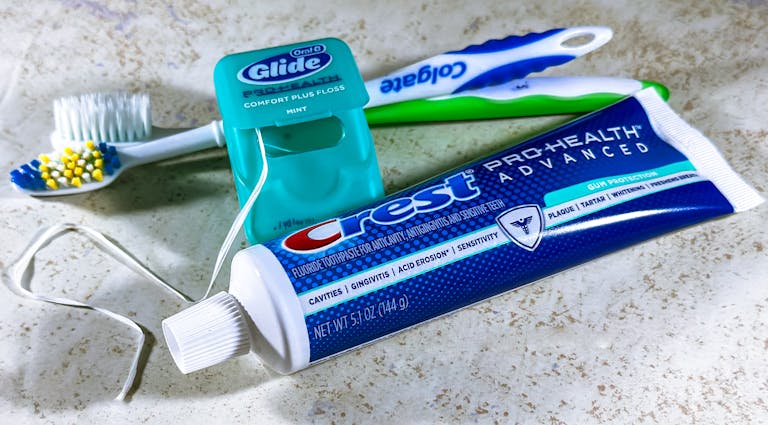
If string floss keeps slipping or feels impossible, the issue may be fit, not effort. Learn which cleaner may suit tight teeth, wider spaces, or dental work.
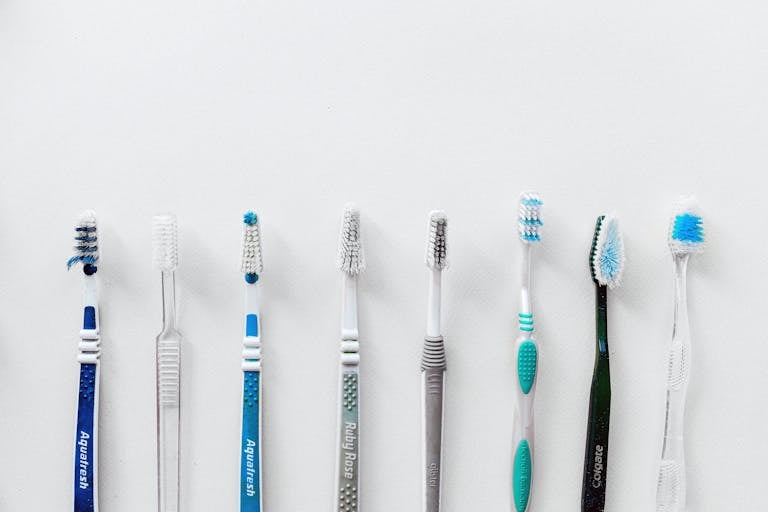
A practical family guide to choosing a toothbrush based on habit, age, and dexterity. The best brush is the one your family will use well twice a day.
A little gum bleeding can happen after a lapse in flossing, but recurring bleeding with swelling, recession, bad breath, loose teeth, or chewing pain should be checked.

If you notice sensitivity, small notches near the gumline, or gums that seem to be shrinking, brushing too hard may be part of the problem—but usually not the whole story. Here is what can cause gum recession and tooth abrasion, what to change at home, and when to book a dental exam.

ALF treatment is often described as a low-force orthodontic or functional appliance, but patients should know that ALF-specific published evidence appears limited and largely older. This guide explains what ALF is, how to evaluate common claims, and what Ontario patients should expect around diagnosis, consent, fees, and follow-up before starting care.
For most families, the biggest dental hygiene wins are still the simplest ones: brush twice a day with fluoride toothpaste, use the right amount for age, floss where teeth touch, and keep preventive visits focused on your own cavity risk. Here is what current Canadian guidance says matters most in 2026.

A toothache is a symptom, not a diagnosis. In many cases, antibiotics are not the treatment that solves the problem. Learn when dental care matters most, when antibiotics may be appropriate, and which warning signs need urgent attention.
End of content
End of content