
What to Bring to an Emergency Dental Appointment in Hamilton
When a toothache, injury, swelling, or damaged restoration needs prompt attention, a few details can help the dental team assess you and plan care safely. Still, paperwork, plan information, and identification should never delay urgent assessment. Bring what you have, but seek help promptly when symptoms or an injury need attention.
Why a short checklist can help
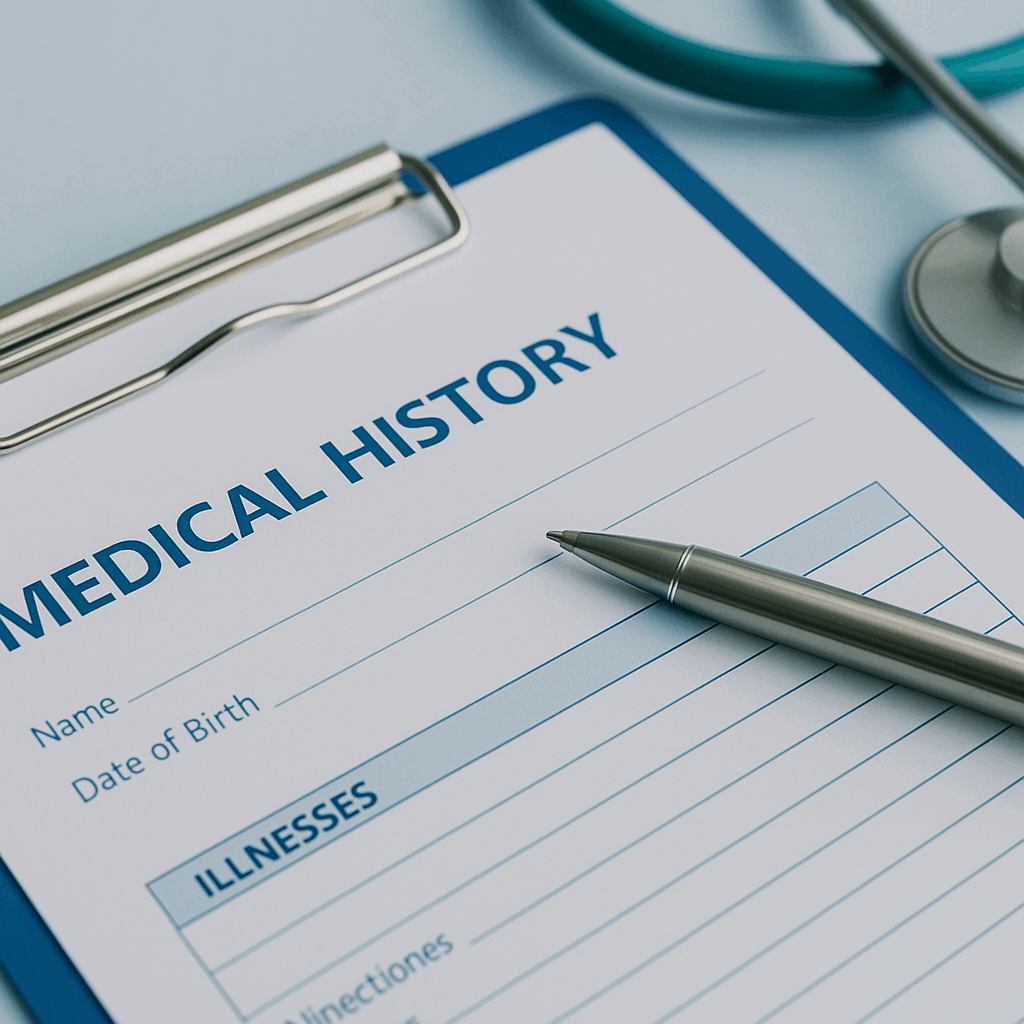
A current, relevant medical history can help a dental team identify factors that may affect treatment. Ontario dentists are expected to obtain and maintain medical information that is relevant to a patient’s care.
1. Bring health information that could affect care
If possible, bring a written list or a clear photo on your phone that includes:
- Current prescription and non-prescription medicines, including doses if known
- Medication, latex, or other allergies, along with past reactions
- Important medical conditions
- Recent health changes that could affect dental care
You do not need to sort out every detail before asking for help. Share what you know, and update the dental team if you remember something important later.
2. Bring dental-plan details when available
If you have dental insurance or another dental benefit plan, bring your card or plan information if available. Useful details may include the insurer name, plan or group number, member number, and policyholder information when applicable. These details may help the office check benefits, but they do not confirm that a particular treatment is covered or that there will be no out-of-pocket cost.
If you are enrolled in the Canadian Dental Care Plan, have your member ID, benefit start date, co-payment information, and identification available if possible, particularly for a first visit. These details may help the office confirm active coverage and what information is needed. Do not postpone urgent assessment while looking for these documents.
3. If a permanent tooth was knocked out
A tooth that has come completely out needs prompt dental assessment. For a permanent tooth, the American Association of Endodontists advises handling it only by the crown—the part normally visible in the mouth—not by the root. Keep the tooth moist and bring it promptly for dental assessment.
This guidance is for permanent teeth only. Do not try to put a baby tooth back into the socket. Contact a dental office promptly while arranging urgent care.
Do not wait for paperwork when emergency medical help is needed
Some situations need emergency medical attention rather than routine dental scheduling alone. Call 911 or seek emergency medical care for breathing or airway concerns, severe uncontrolled bleeding, major facial trauma, or significant swelling or infection creating an urgent medical concern.
Hamilton planning note
Eligible Hamilton residents without dental insurance or dental-program coverage may be able to contact the City of Hamilton‘s Emergency Dental Services to ask about its current program and eligibility requirements. This is a separate public-health resource; it does not replace emergency medical care or a dentist’s assessment when one is needed.
A simple grab-and-go list
- Medication list, allergies, health conditions, and recent health changes
- Dental-plan card or plan details, if available
- Canadian Dental Care Plan member information and identification, if applicable
- A knocked-out permanent tooth, kept moist and handled by the crown only
For an urgent dental concern that is not a medical emergency, visit our emergency dentistry page to request an appointment or learn more about concerns that may need prompt assessment.
Key sources
- Dental Emergencies: Ontario Patient Information
- Knocked-Out Teeth: Patient Guidance
- Government of Canada: Canadian Dental Care Plan
- City of Hamilton: Dental Health
This article is for general education only and does not replace personalized advice, diagnosis, or treatment from a licensed dentist.