
DENTAL ASSESSMENT
Tell us what happened and when it started. We can explain the next available assessment and whether you should seek care elsewhere sooner.
HomeUrgent Dental Concerns
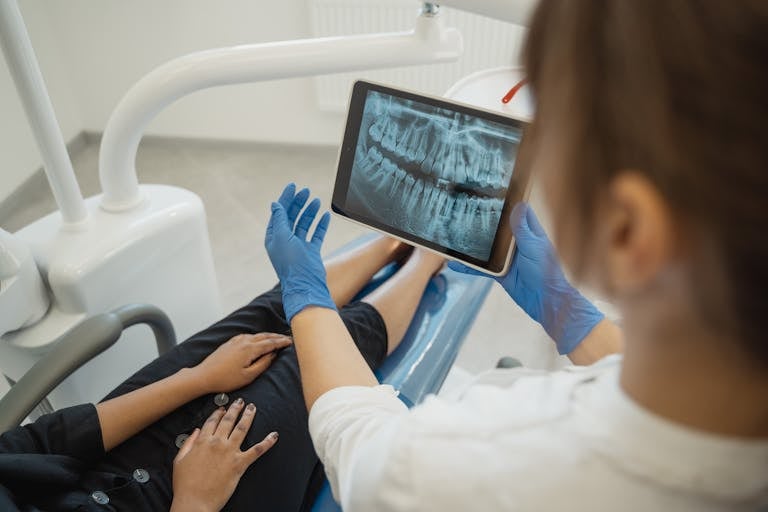

DENTAL ASSESSMENT
Call when tooth pain, swelling or damage needs prompt attention.
Tell us what happened and when it started. We can explain the next available assessment and whether you should seek care elsewhere sooner.
- Describe pain, swelling, injury or a broken tooth
- Bring your medication and health information
- Know when medical emergency care is needed
- Plan definitive treatment after the immediate problem
WHAT TO EXPECT
What to do when a dental problem feels urgent.
01
Call us and describe what is happening
Tooth pain, swelling, trauma, a broken tooth or a lost restoration may need prompt assessment. Call the office and describe what happened, when symptoms began and whether there is swelling, fever, bleeding or difficulty opening the mouth.
Availability depends on the schedule and the type of problem. The team can explain the next available appointment and whether another care setting is more appropriate.
02
When to seek emergency medical care
Call emergency services or seek immediate medical care for difficulty breathing or swallowing, rapidly increasing facial swelling, uncontrolled bleeding, major facial trauma or other symptoms that may threaten general health.
03
What may happen at the dental visit
The visit focuses on identifying the source of the problem, relieving immediate symptoms where possible and explaining the next step. Examination and radiographs may be needed before treatment can be recommended.
04
Complete the follow-up care
An urgent visit may address only the immediate problem. Definitive treatment, restoration and preventive care may require additional appointments. Understanding that plan helps prevent the same concern from remaining unfinished.
RELATED SERVICES
Related Dental Care
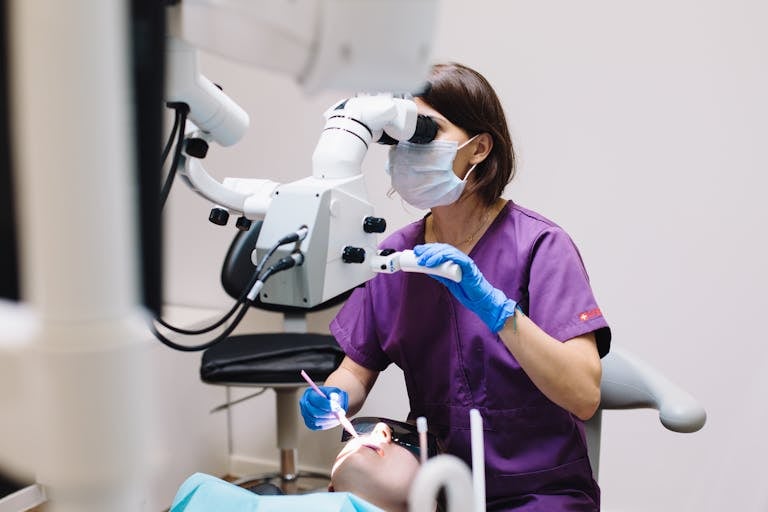
Tooth Extractions
Remove a tooth that cannot be predictably restored, with clear planning for healing and replacement when needed.
COMMON QUESTIONS
Urgent dental care questions
Find answers about urgent symptoms, when to call the dental office and when emergency medical care may be needed.
How do I request an urgent dental assessment?
Call the office and describe the symptoms, when they began and whether there is swelling, injury or fever. The team will explain the available appointment options.
When should I seek medical emergency care instead?
Call emergency services for trouble breathing or swallowing, uncontrolled bleeding, major facial trauma, loss of consciousness or another life-threatening concern.
What should I do with a knocked-out permanent tooth?
Handle it by the crown, not the root. If possible, gently rinse it without scrubbing, place it back in the socket or keep it in milk, and seek immediate dental care.
What if my face is swollen or I have a fever?
Swelling, fever, spreading redness or difficulty opening, swallowing or breathing can indicate a serious infection. Contact the office promptly and seek emergency medical care when instructed.
Can a broken tooth wait?
Small chips may be less urgent, but pain, sharp edges, deep fractures or trauma should be assessed. Protect the area, avoid hard chewing and call for advice.
What can I do for pain until I am seen?
Use over-the-counter medication only when it is safe for you and according to the label. Avoid placing aspirin on the gum, and do not delay assessment when symptoms are significant.
What should I do if a filling or crown comes out?
Keep the restoration if possible, avoid chewing on the tooth and call the office. Do not use household glue. Sensitivity or sharp edges can be managed temporarily according to the advice provided.
How urgent is a cracked tooth?
A superficial line may not be urgent, but pain on biting, temperature sensitivity, a missing piece or trauma should be assessed promptly because cracks can progress.
What if the problem happens outside office hours?
Use the office instructions and seek urgent medical or dental care when symptoms involve severe swelling, uncontrolled bleeding, major trauma, fever or difficulty breathing or swallowing.
READY FOR YOUR NEXT VISIT?
Keep routine dental care moving forward.
Request an appointment online or call the office at 905-529-2164.