
ORAL SURGERY & TOOTH REPLACEMENT
A dental implant can support a replacement tooth. We look at bone, gum health, bite, medical history and the final restoration before recommending a plan.
HomeDental Implants
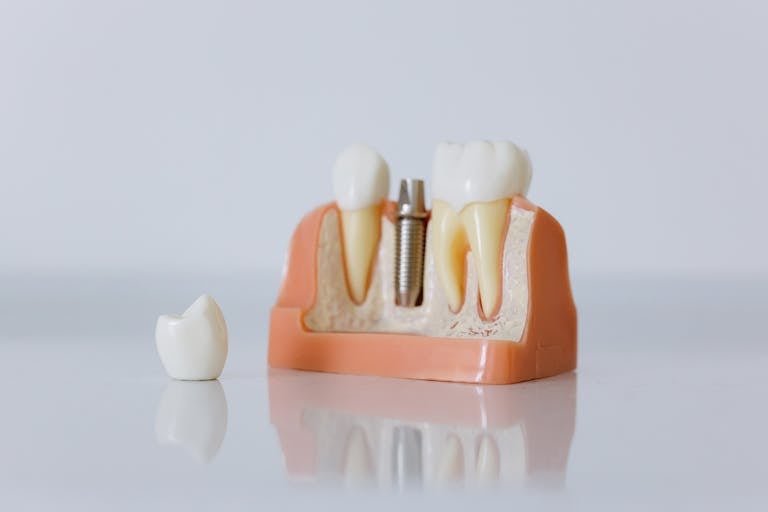

ORAL SURGERY & TOOTH REPLACEMENT
Replace a missing tooth with a plan that fits your smile.
A dental implant can support a replacement tooth. We look at bone, gum health, bite, medical history and the final restoration before recommending a plan.
- Find out whether an implant may be suitable for you
- Review bone, gums and bite
- Understand the steps, timing and alternatives
- Plan cleaning and long-term maintenance
WHAT TO EXPECT
What to expect when planning a dental implant.
01
How an implant replaces a missing tooth
A dental implant is a small fixture placed in the jaw to support a replacement tooth. The visible tooth is a separate restoration—usually a crown—connected after the implant has had time to integrate with the surrounding bone.
Implant treatment may replace one missing tooth, support a bridge or help stabilize selected denture designs. The most appropriate option depends on the number and position of missing teeth, available bone, gum health, bite and personal priorities.
02
Your implant assessment
Planning begins with a health-history review, a clinical examination and diagnostic imaging when indicated. The dentist evaluates the proposed implant site as well as the teeth, gums and bite around it.
- Bone volume and the condition of the implant site
- Gum health and daily cleaning access
- Medications, smoking and health factors that may affect healing
- The design and timing of the final replacement tooth
03
The steps involved
Treatment may include removal of a damaged tooth, healing or bone-management procedures, implant placement, a healing period and fabrication of the final restoration. These steps are not identical for every patient and are sometimes completed over several months.
Before treatment begins, the dentist can explain which stages may be completed at Excel Dental, whether another provider should be involved and what to expect between appointments.
04
Caring for your implant
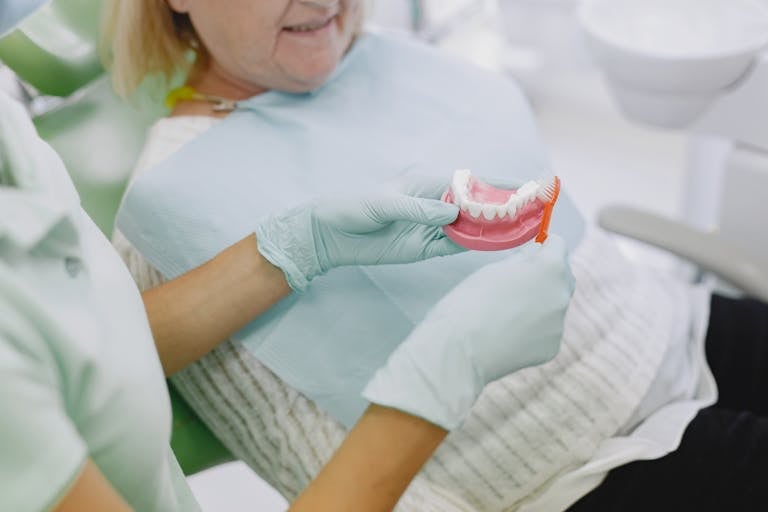
Implants cannot develop cavities, but the surrounding gums and bone still require careful maintenance. Daily cleaning, professional preventive care and periodic examination of the implant, restoration and bite remain important.
RELATED SERVICES
Related Dental Care
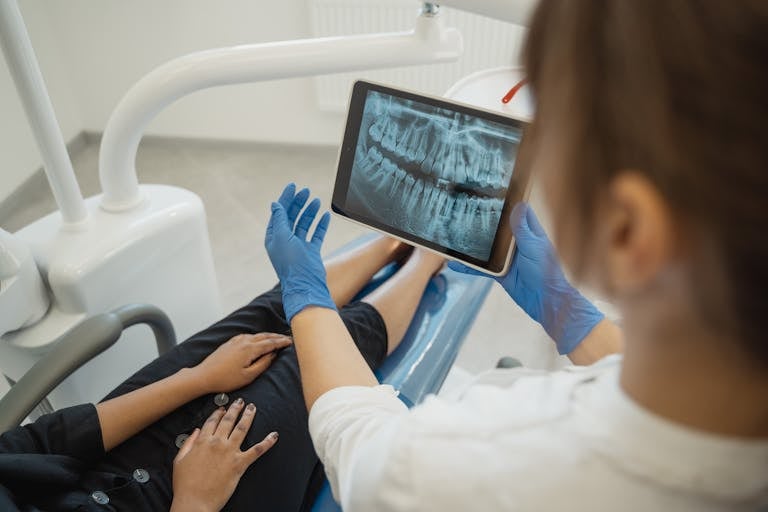
Tooth Extractions
Remove a tooth that cannot be predictably restored, with clear planning for healing and replacement when needed.

COMMON QUESTIONS
Dental implant questions
Find answers about implant assessment, treatment timing, alternatives and long-term cleaning and maintenance.
Who may be a candidate for a dental implant?
Suitability depends on the missing tooth, bone, gum health, bite, medical history, smoking and ability to maintain the area. Imaging and an examination are needed.
What are the main stages of implant treatment?
Planning may include imaging, implant placement, a healing period and a final crown or other restoration. The sequence varies with bone, healing and the type of replacement.
How long does implant treatment take?
Some cases take several months because the implant must integrate with the bone before the final restoration. Bone grafting or other steps can extend the timeline.
How are fees and insurance handled?
The office can provide an estimate after the treatment plan is established. Coverage varies by plan, and patients should confirm benefits directly with their insurer.
How do I care for an implant?
Daily brushing and cleaning between the implant and neighbouring teeth are essential. Professional monitoring helps assess the gums, bite, restoration and surrounding bone.
What alternatives are there to an implant?
Depending on the location and your goals, alternatives may include a bridge, partial denture, complete denture or leaving the space. Each option has different maintenance and effects.
How is the implant checked before the final tooth is placed?
The clinician evaluates healing, symptoms, gum condition and implant stability. Imaging or additional measurements may be used before the final restoration is connected.
Will I need a bone graft?
Not everyone does. Bone volume, anatomy and the planned implant position are assessed with examination and imaging before grafting is recommended.
Can gum disease affect a dental implant?
Yes. Inflammation and bone loss can occur around implants, especially when plaque control, smoking or previous periodontal disease increase risk. Ongoing professional maintenance is important.
READY FOR YOUR NEXT VISIT?
Keep routine dental care moving forward.
Request an appointment online or call the office at 905-529-2164.