Before Bone Grafting for Implants: Questions to Ask

If a bone graft was mentioned before an implant, ask why it’s needed, whether 3D imaging helps, how healing works, and what it may cost in Canada.

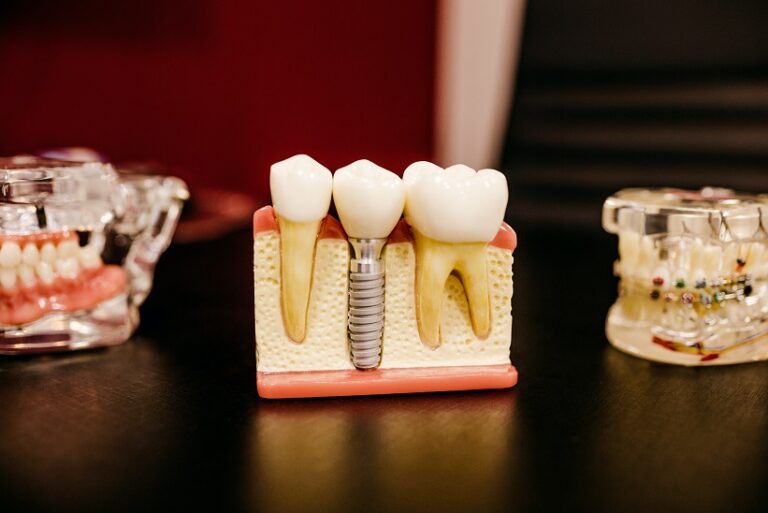
If a bone graft was mentioned before an implant, ask why it’s needed, whether 3D imaging helps, how healing works, and what it may cost in Canada.
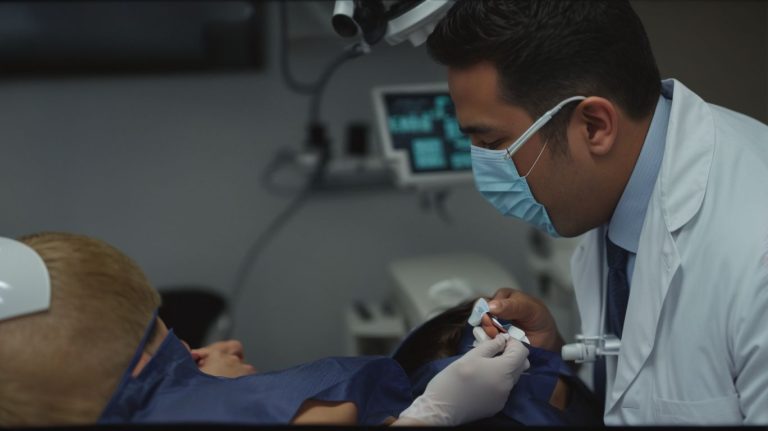
Bone grafting is not always needed before implants. Use this checklist to ask about timing, options, healing, cost, and CDCP coverage before you decide.
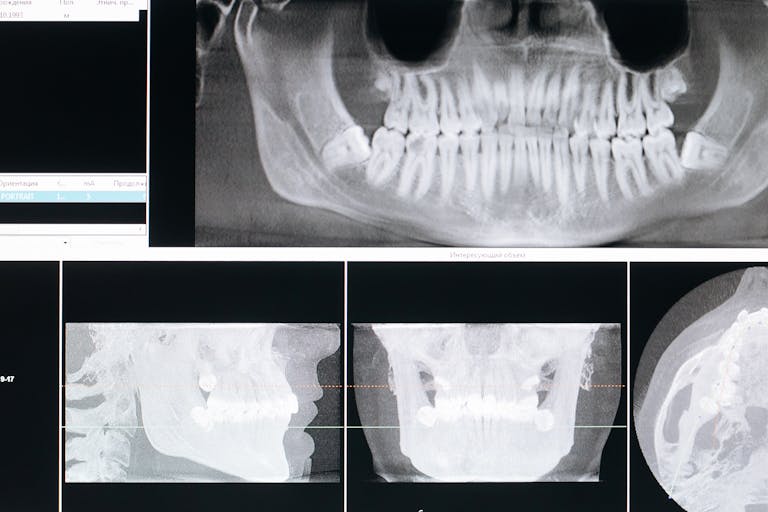
A cone-beam CT scan can add useful detail for some complex dental decisions, but it is not a routine replacement for standard X-rays. Learn when CBCT may help with implants, selected root canal problems, wisdom teeth, and other treatment-planning questions.

A CBCT scan can give your dentist a 3D view of teeth, bone, roots, and nearby anatomy, but it is not a routine add-on for every visit. Learn when a cone beam CT scan may be helpful, how it differs from regular dental X-rays, and what questions to ask before agreeing to 3D treatment planning.
If you take warfarin, apixaban, rivaroxaban, dabigatran, aspirin, clopidogrel, or a similar medicine, a tooth can often still be removed safely. The key is planning. Here is what Hamilton patients and families should know before an extraction, including why you should never stop a blood thinner on your own.
Many patients expect antibiotics after wisdom tooth removal or other oral surgery, but routine use is not recommended for most healthy individuals. Here is what the evidence and Canadian guidance say about when antibiotics are helpful, when they are not, and how to spot warning signs during healing.
End of content
End of content