CDCP Questions to Ask Before a Family Dental Visit

Before you book a family dental visit with CDCP, ask about eligibility, active coverage, provider participation, preauthorization, and extra charges.

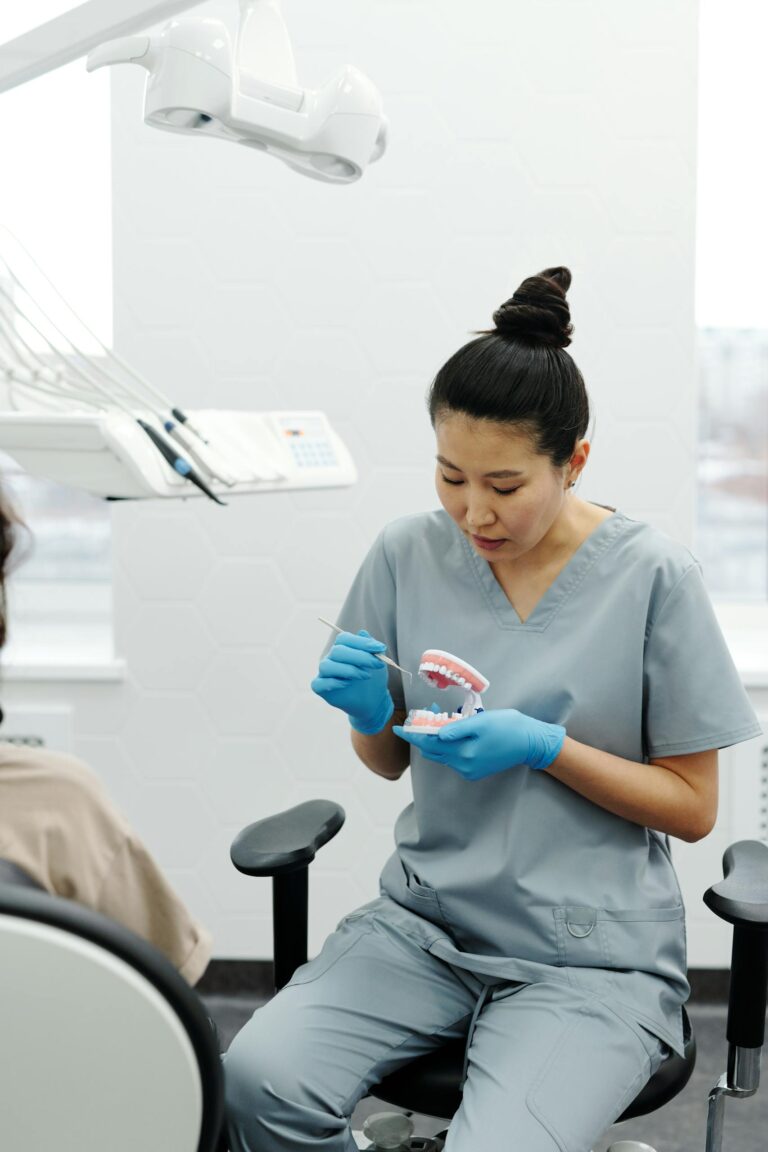
Before you book a family dental visit with CDCP, ask about eligibility, active coverage, provider participation, preauthorization, and extra charges.

Tooth pain and gum pain can overlap. Dentists use the history, exam, bite tests, and X-rays when needed to narrow the cause, especially if swelling is present.

Bring a medicine list, allergy list, symptom timeline, coverage details, and any broken tooth or restoration so an urgent visit starts smoothly.

A cracked tooth or broken filling needs prompt care, but a few safe steps can protect the tooth before your visit and help you know when it is urgent.

A return dental exam usually starts with your health history, symptom review, tooth and gum checks, oral cancer screening, and x-rays only when needed.
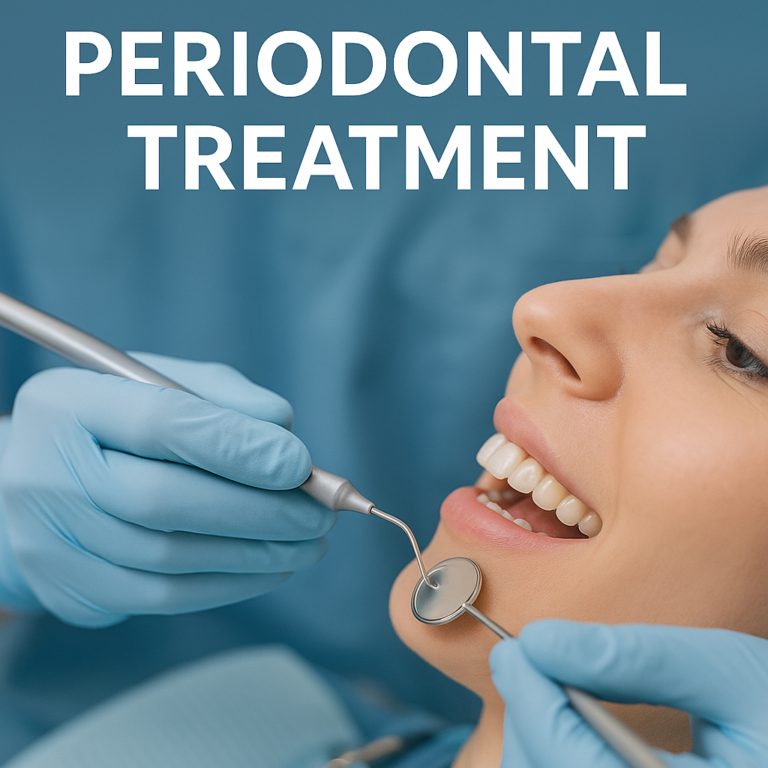
Periodontal maintenance is the follow-up phase after gum therapy. Learn what happens at the visit, why the schedule is individualized, and how home care helps keep gums stable.

If anxiety has kept you away from the dentist, your first visit can begin with a conversation, a simple exam, and a plan that fits your comfort level.

Dental lasers can serve different roles. Before treatment, ask what the laser is for, what evidence supports it, and whether a non-laser option fits.
Old silver fillings do not need automatic replacement. Learn when a filling should be rechecked, when replacement helps, and what to ask at the visit.
Night guards can protect teeth from grinding, but they do not guarantee headache relief. Learn when a dental exam may help sort out jaw soreness.
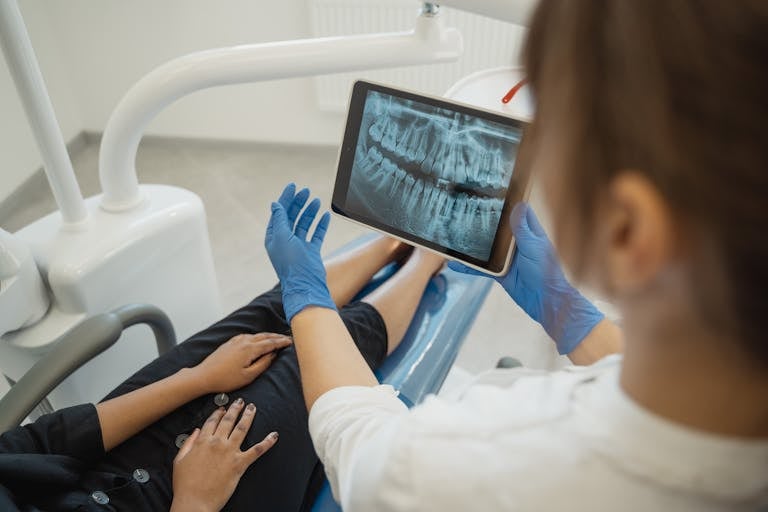
dentistry should mean whole-person, evidence-based care: a real diagnosis, informed consent, and treatment matched to your needs.
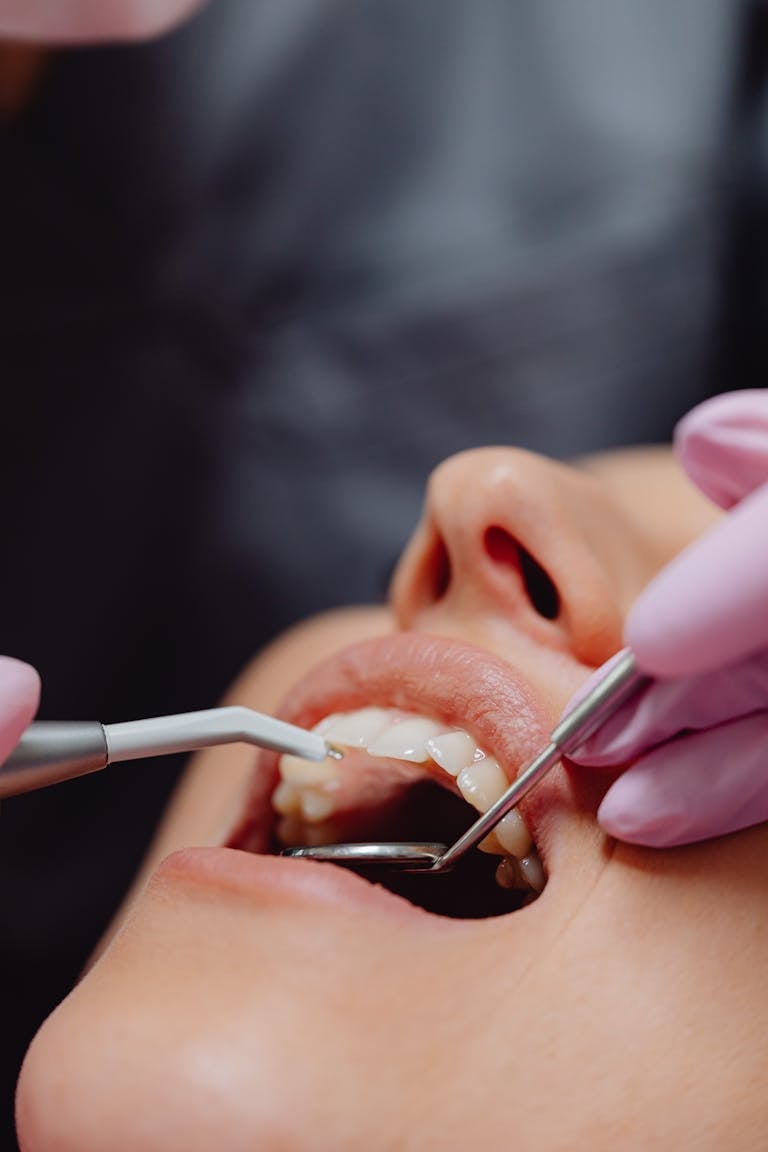
Dry mouth can make bad breath linger. Learn the common oral causes, simple home care, and when a dental exam may help sort out the next step.
End of content
End of content