CDCP and Missing Teeth: Dentures, Bridges, and Implants

CDCP may help with some removable dentures, but bridges and implants are excluded. Learn how eligibility, preauthorization, limits, and office participation affect your bill.

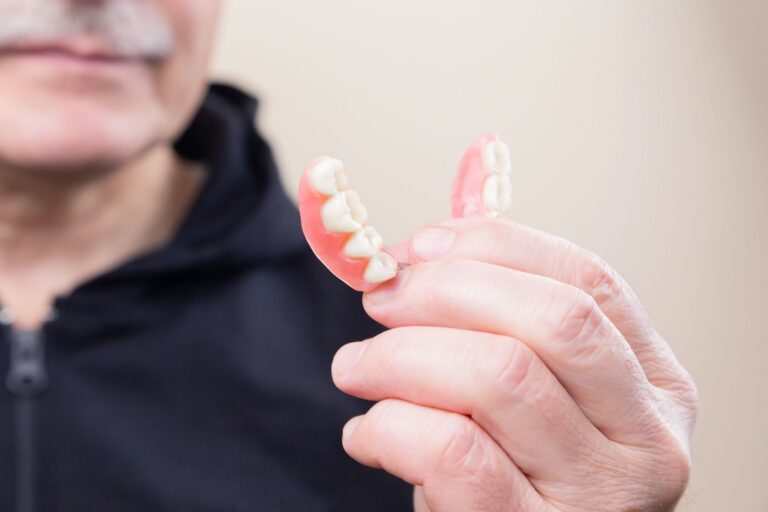
CDCP may help with some removable dentures, but bridges and implants are excluded. Learn how eligibility, preauthorization, limits, and office participation affect your bill.
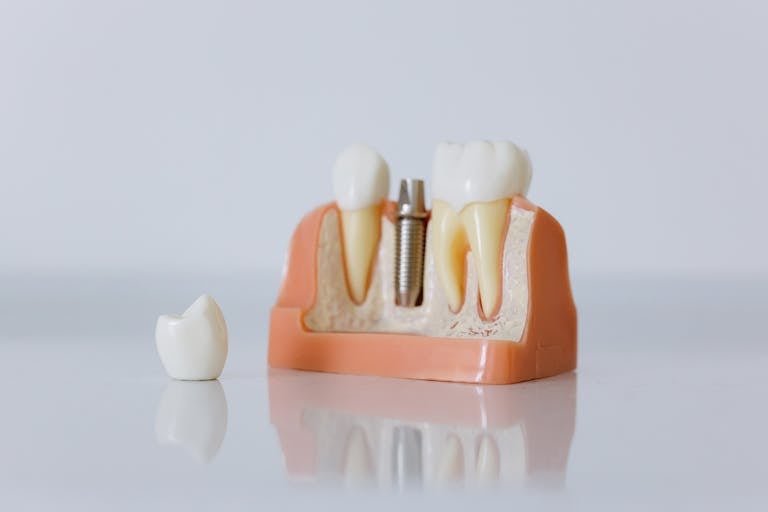
Compare an implant crown, bridge, or partial denture for one or a few missing teeth. Learn how support, cleaning, comfort, and coverage differ.
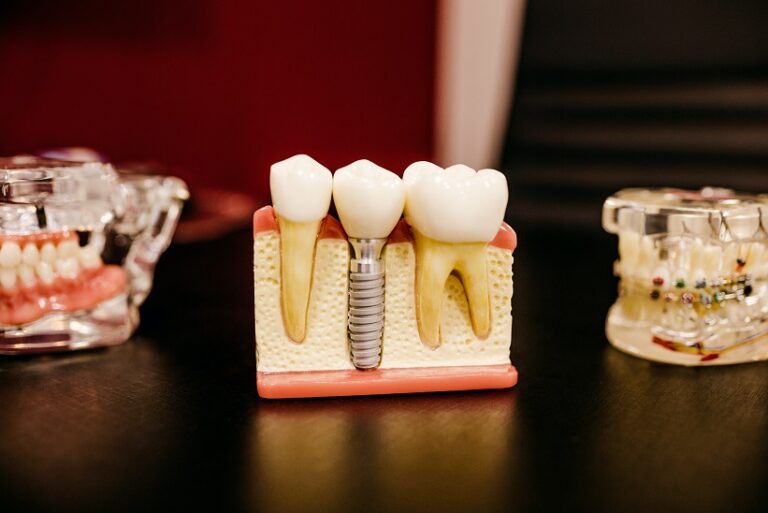
If a bone graft was mentioned before an implant, ask why it’s needed, whether 3D imaging helps, how healing works, and what it may cost in Canada.
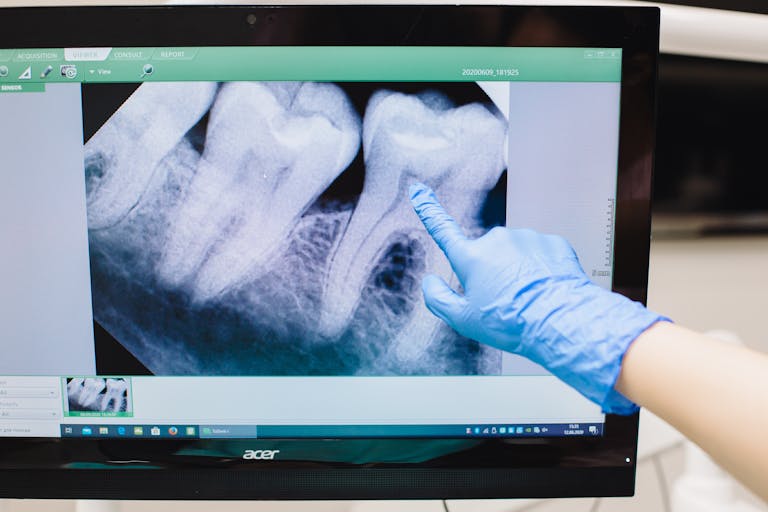
CBCT can show 3D bone, nerve, and sinus anatomy before implants. It helps planning, but it does not replace the exam or guarantee success.
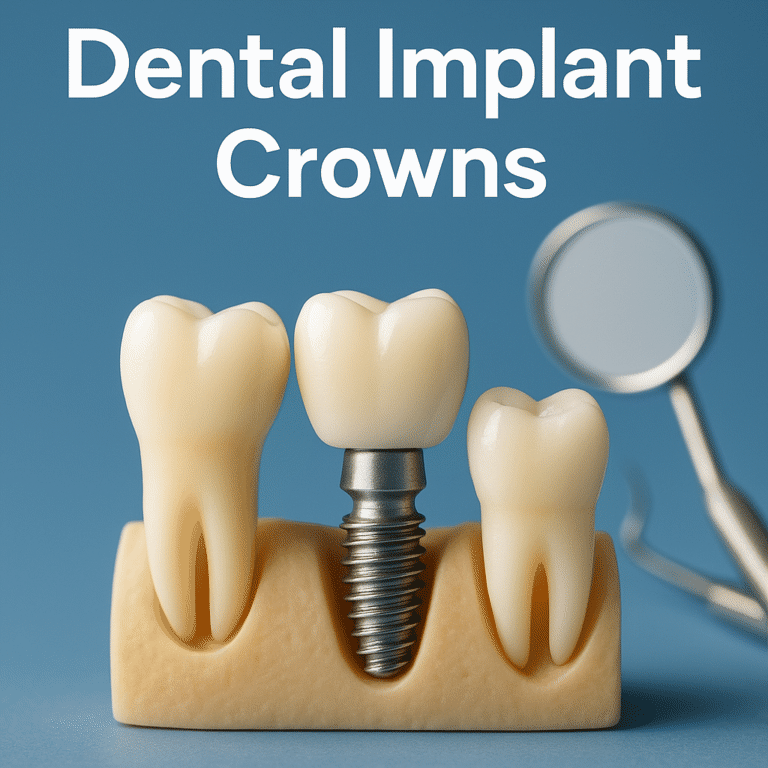
For one missing tooth or a small gap, implants, bridges, and partial dentures differ in support, cleaning, and cost—and Canadian coverage can shape the choice.
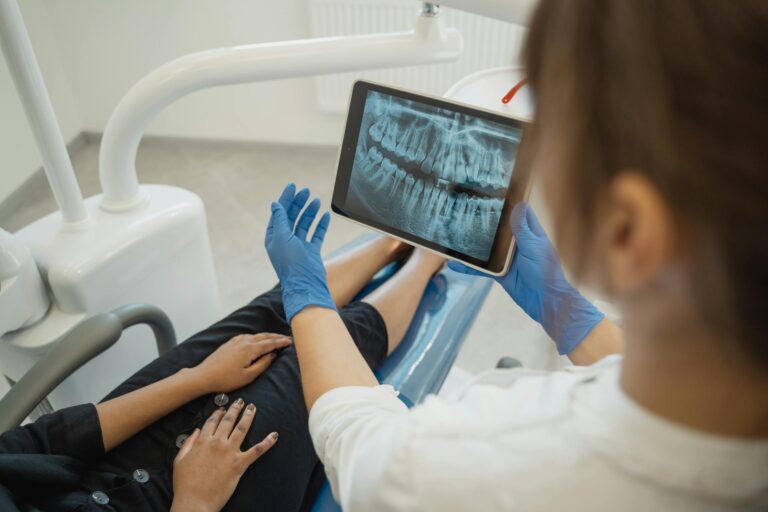
A first implant visit is usually a planning appointment. Learn what dentists check, when imaging helps, and what the next steps may be.

If the teeth beside a missing tooth are healthy, the main decision is whether to preserve them, avoid surgery, or choose a removable option—and what may be covered.
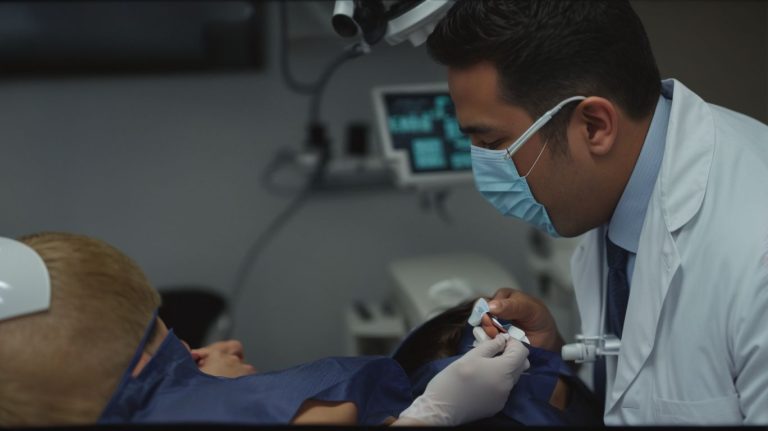
Bone grafting is not always needed before implants. Use this checklist to ask about timing, options, healing, cost, and CDCP coverage before you decide.

A CBCT scan can add 3D detail about bone and nearby anatomy before an implant when a flat X-ray is not enough—and should be used only when it changes planning.
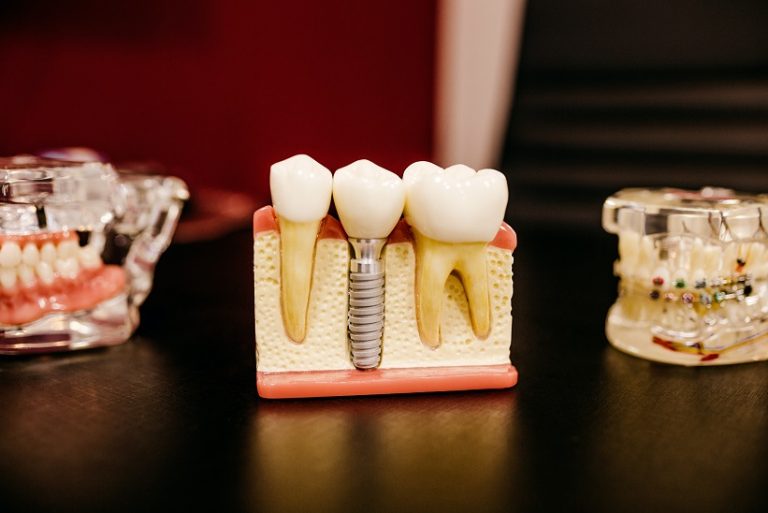
A patient-friendly guide to implant crowns, bridges, and dentures—and how dentists weigh nearby teeth, bone support, cleaning, and timing.
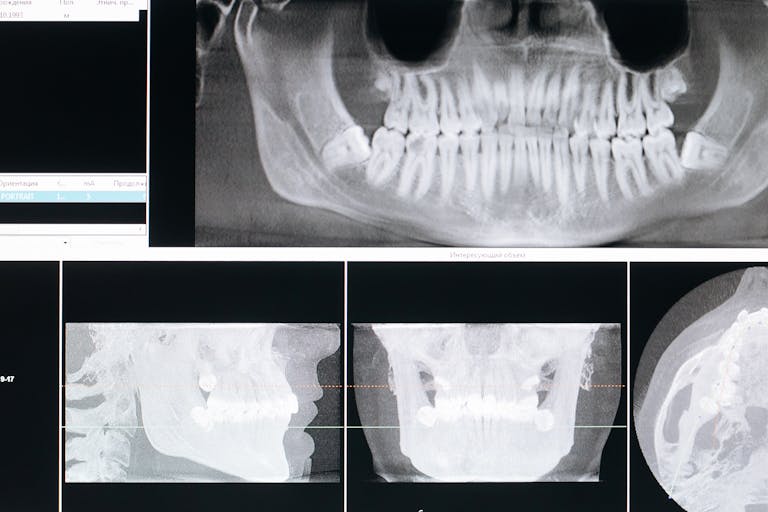
A cone-beam CT scan can add useful detail for some complex dental decisions, but it is not a routine replacement for standard X-rays. Learn when CBCT may help with implants, selected root canal problems, wisdom teeth, and other treatment-planning questions.

Socket preservation is sometimes considered at the same visit as a tooth extraction when a future implant, bridge, or denture is likely. Here is what the procedure means, why the jaw ridge changes after extraction, where the evidence is helpful, and what to ask before the tooth is removed.
End of content
End of content