ComfortLase Photobiomodulation Therapy in Hamilton, ON
If you’ve ever wished you could take the edge off dental discomfort without “numbing up,” ComfortLase is the kind of technology that makes that conversation real. ComfortLase is Fotona’s photobiomodulation (PBM) therapy—low-level light energy used to help reduce pain and inflammation and support the body’s natural healing response. It’s non-invasive, comfortable, and often used as an add-on around other dental care. Source
At Excel Dental in Hamilton, we use ComfortLase to help patients who are dealing with issues like orthodontic soreness, canker sores, and TMJ-related jaw discomfort, and we may also recommend it after procedures such as extractions or gum treatment when we want to support a smoother recovery. (The right approach depends on your diagnosis and overall treatment plan.)
What photobiomodulation (PBM) actually is
Photobiomodulation uses low-level visible-red to near-infrared light to stimulate cellular activity associated with tissue repair and pain modulation. Fotona describes PBM as helping “stimulate cells to naturally heal, relieve pain and reduce inflammation,” and their ComfortLase materials highlight benefits like improved healing and non-invasive pain reduction. Source Fotona ComfortLase brochure (PDF)
Important distinction: ComfortLase is not “cutting” or “drilling” with laser energy. It’s a gentle light-based therapy aimed at biological response, which is why many patients describe it as relaxing rather than intense.
Why ComfortLase can be useful in dentistry
PBM is used in multiple health fields, but in dental care we most often think about it in three practical buckets: pain reduction, inflammation control, and healing support.
- Orthodontic soreness: Research continues to explore PBM’s ability to reduce pain after orthodontic adjustments. Recent clinical work has evaluated diode-laser PBM for pain after initial archwire placement. Source
- Canker sores (recurrent aphthous ulcers): PBM/low-level laser approaches have been studied for reducing pain and speeding healing time in recurrent aphthous stomatitis, including systematic review evidence. Source
- TMJ / TMD discomfort: PBM is being studied as an adjunctive therapy for temporomandibular disorders, with recent literature describing it as a promising additional approach for TMD management. Source
In plain language: when ComfortLase is a good fit, it’s often because we’re trying to help you feel better faster, with less reliance on medication—while still addressing the underlying dental cause.
What ComfortLase feels like
Most patients notice three things:
- It’s quick.
- It’s gentle—many people feel warmth or nothing noticeable at all.
- There’s typically no downtime. You can get back to your day.
ComfortLase protocols can vary based on what we’re treating and what else we’re doing that day. For certain pain-management uses, Fotona notes that treatments may be recommended every other day and that multiple sessions are often used for best results. Source
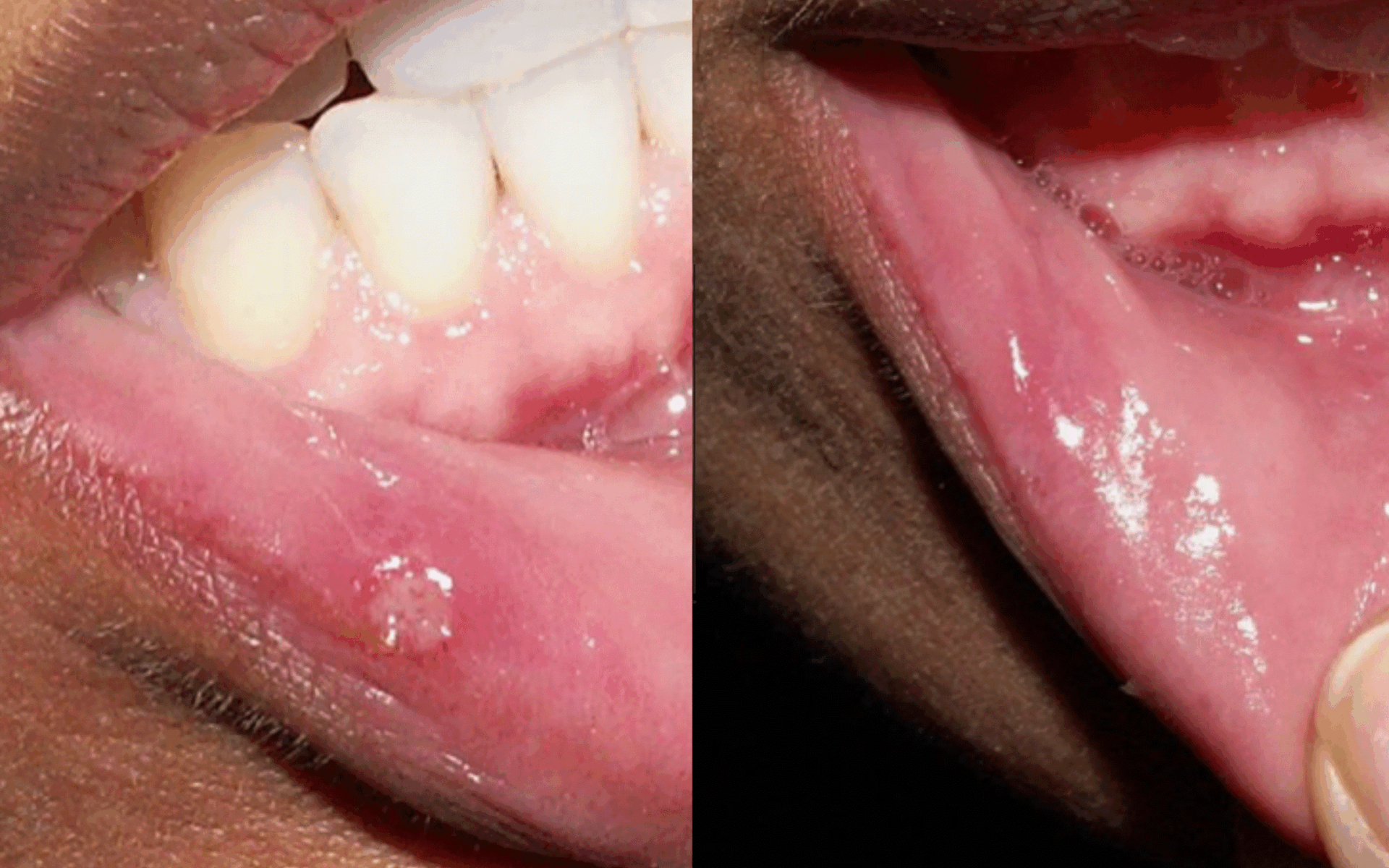
Clinical before-and-after photos (hotlinked, centered)
These clinical images are hosted by Fotona and show examples of PBM/ComfortLase-type outcomes. They are not a promise of identical results for every patient—your outcome depends on the condition being treated, timing, and individual healing response.

ComfortLase after extractions or gum treatment
After procedures like extractions or gum therapy, the goal is always the same: calm the tissues down, keep you comfortable, and support uncomplicated healing. PBM is often discussed in that context because it’s non-invasive and can be added without disrupting the surgical site. Fotona’s ComfortLase materials specifically position PBM as a “wound healing and pain management” solution. Source
We still rely on the fundamentals—excellent home care, appropriate post-op instructions, and follow-ups when needed—but ComfortLase can be a useful “helper” for the right patient at the right time.
ComfortLase vs. common alternatives (distilled)
- ComfortLase vs. “wait it out”: If discomfort is predictable (like ortho soreness), PBM may help shorten the rough patch for some patients, instead of just enduring it. Source
- ComfortLase vs. pain medication alone: Medication can be helpful, but PBM is a non-drug option that may complement a plan—especially when we want to minimize reliance on pills where appropriate. Source
- ComfortLase vs. topical canker sore products: Many topical options focus on symptom control; PBM has been studied for both pain reduction and healing time in recurrent aphthous stomatitis. Source
- ComfortLase vs. night guards / physio for TMJ: TMJ issues usually need a broader plan (habit changes, bite considerations, muscle support). PBM may be an adjunct for symptom relief—not a standalone cure. Source
Who’s a good candidate?
ComfortLase is worth discussing if you:
- Get significant soreness after orthodontic adjustments
- Deal with frequent canker sores and want a non-invasive option
- Have jaw muscle discomfort consistent with TMJ/TMD (after we confirm what’s actually driving it)
- Want added support after an extraction or gum procedure
It may not be the right first step if pain is severe, unexplained, or worsening—those situations deserve diagnosis first. PBM can support comfort, but it shouldn’t delay identifying an infection, fracture, or other urgent cause.
FAQs
Is ComfortLase the same as “laser surgery”?
No. ComfortLase is photobiomodulation therapy—low-level light energy used for pain management and healing support. It’s non-invasive and isn’t meant to cut or remove tissue. Source
How many sessions will I need?
It depends on the goal. Some uses are “as needed,” while other situations work best as a short series. Fotona’s patient-facing information for ComfortLase notes that treatments may be recommended every other day, with at least a few sessions for optimal results in certain pain-management cases. Source
Can it help with orthodontic pain?
PBM has been studied for orthodontic discomfort, including research looking at pain after archwire placement. Results vary across studies and protocols, but it’s a reasonable option to discuss if soreness is a recurring issue for you. Source
Can it help canker sores heal faster?
Low-level laser/PBM approaches have been studied for recurrent aphthous stomatitis, including evidence from systematic review and meta-analysis on pain reduction and healing time. Whether it’s appropriate for you depends on the type and frequency of ulcers and your overall oral health. Source
Is ComfortLase safe?
PBM is widely described as non-invasive, and Fotona positions ComfortLase as a gentle, patient-friendly approach for pain management and wound healing support. We still screen for individual considerations and tailor recommendations to your case. Source
Thinking about ComfortLase in Hamilton?
If you’re curious whether ComfortLase is a fit for orthodontic soreness, canker sores, TMJ discomfort, or post-procedure healing support, we can talk it through at your visit and decide if it makes sense alongside your dental care plan.
Visit Excel Dental online to request an appointment, and if you’ve tried any kind of light therapy before, share your experience in the comments—what helped, what didn’t, and what you wish you’d known sooner.
Sources:
Fotona: ComfortLase™
Fotona: The Medical Power of Light (ComfortLase / MarcCo brochure PDF)
Fotona: ComfortLase® (patient-facing overview)
Golshah et al. (2025): PBM and pain after initial archwire placement
Radithia et al. (2024): Systematic review/meta-analysis on low-level laser therapy for recurrent aphthous stomatitis
PBM as an adjunct method for temporomandibular disorder management (PMC)
Fotona: Aphthous Ulcers (clinical image source)