What a Dentist Checks First for Gingivitis or Periodontitis

If your gums bleed or feel sore, a dentist usually starts with your history, a close gum exam, periodontal probing, and selective x-rays before planning treatment.

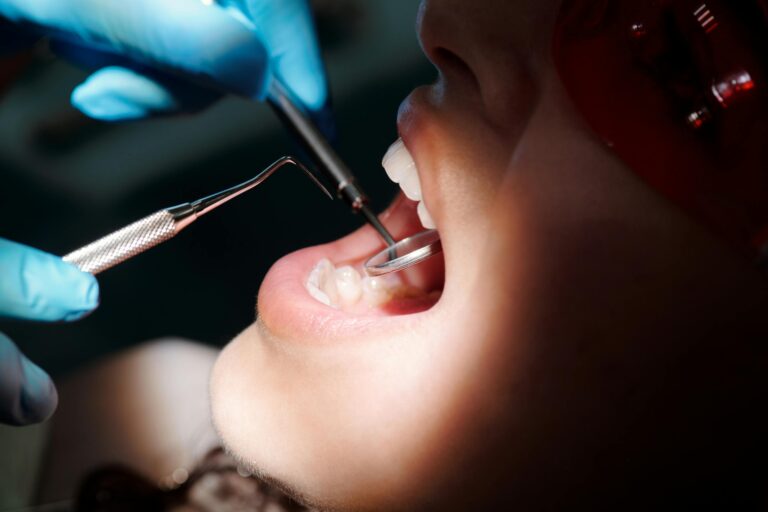
If your gums bleed or feel sore, a dentist usually starts with your history, a close gum exam, periodontal probing, and selective x-rays before planning treatment.
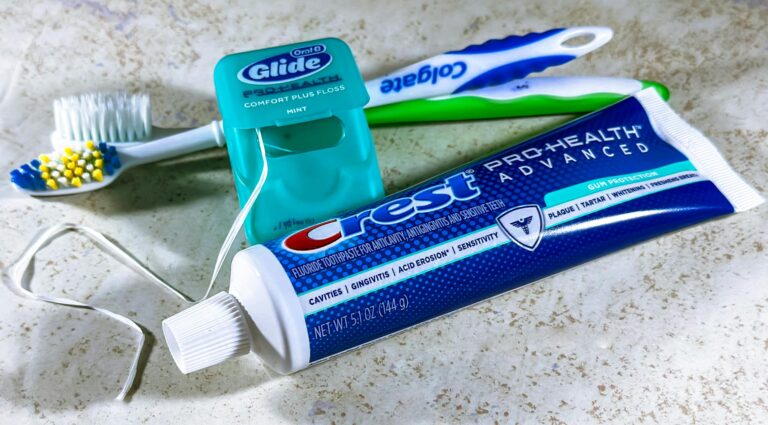
A small amount of bleeding can happen when flossing is new, but bleeding that keeps returning or comes with red, swollen, or receding gums should be checked.
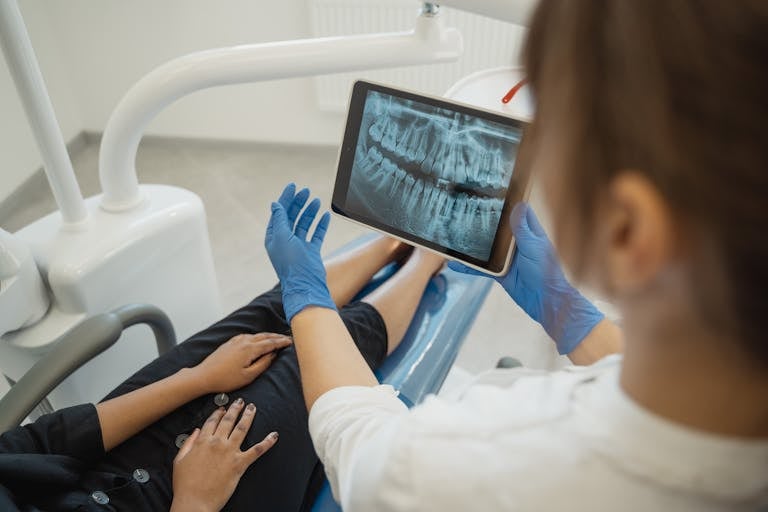
Bleeding, swollen, or receding gums are worth an exam. Learn what dentists check first, how they tell gingivitis from periodontitis, and what comes next.

A little gum bleeding can happen after a lapse in flossing, but recurring bleeding with swelling, recession, bad breath, loose teeth, or chewing pain should be checked.

A small amount of blood on floss can happen after a gap in cleaning, but it should start improving quickly. Learn when home care is reasonable, when bleeding should be booked for a dental exam, and how to keep cleaning between teeth gently while you wait.
End of content
End of content