Nitrous Oxide or Light Oral Sedation: What Anxious Dental Patients Should Ask

A calm FAQ comparing nitrous oxide and light oral sedation, with candidacy questions, safety checks, coverage notes, and what to ask before booking.


A calm FAQ comparing nitrous oxide and light oral sedation, with candidacy questions, safety checks, coverage notes, and what to ask before booking.
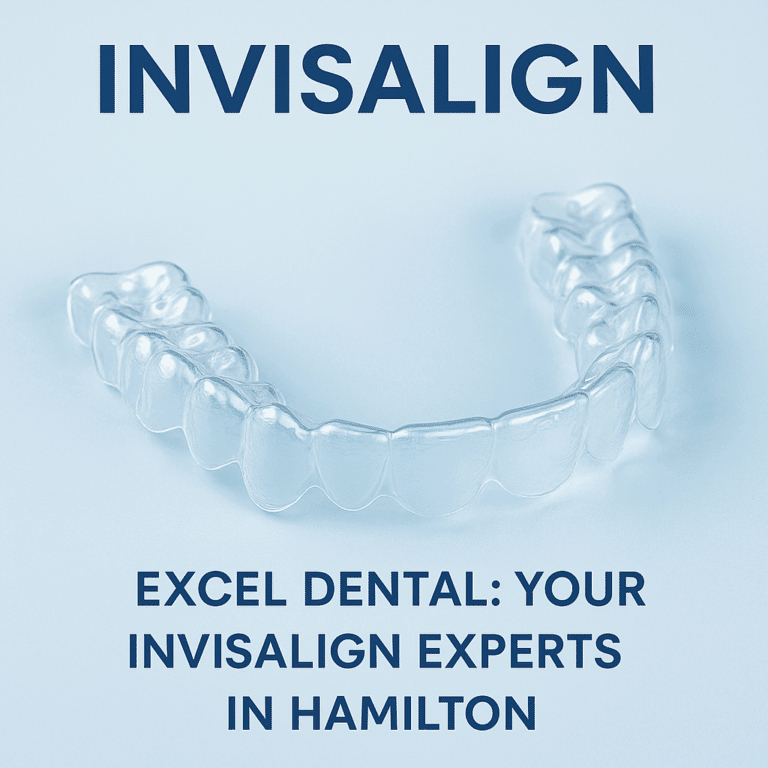
For busy adults, the choice is about daily fit: cleaning, eating, wear time, visits, and whether braces may suit a more complex bite.
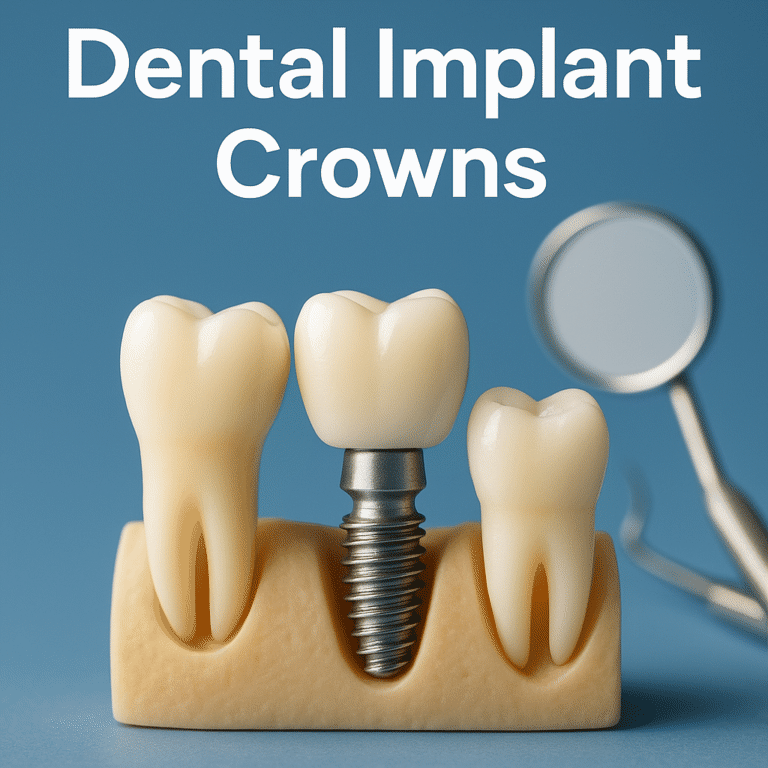
For one missing tooth or a small gap, implants, bridges, and partial dentures differ in support, cleaning, and cost—and Canadian coverage can shape the choice.

If the teeth beside a missing tooth are healthy, the main decision is whether to preserve them, avoid surgery, or choose a removable option—and what may be covered.
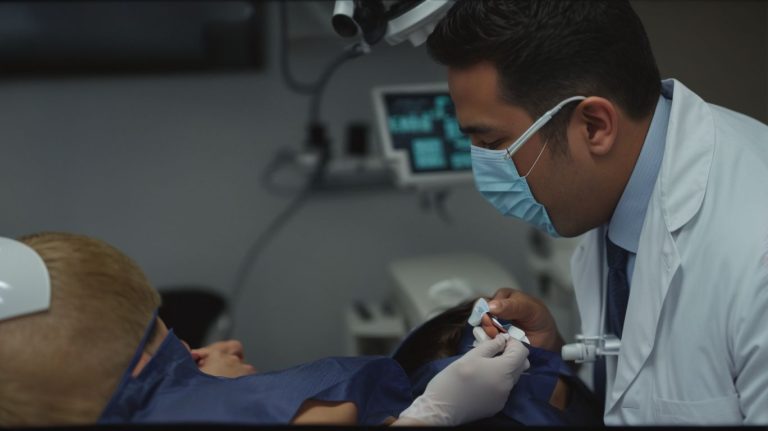
Bone grafting is not always needed before implants. Use this checklist to ask about timing, options, healing, cost, and CDCP coverage before you decide.

Socket preservation is sometimes considered at the same visit as a tooth extraction when a future implant, bridge, or denture is likely. Here is what the procedure means, why the jaw ridge changes after extraction, where the evidence is helpful, and what to ask before the tooth is removed.
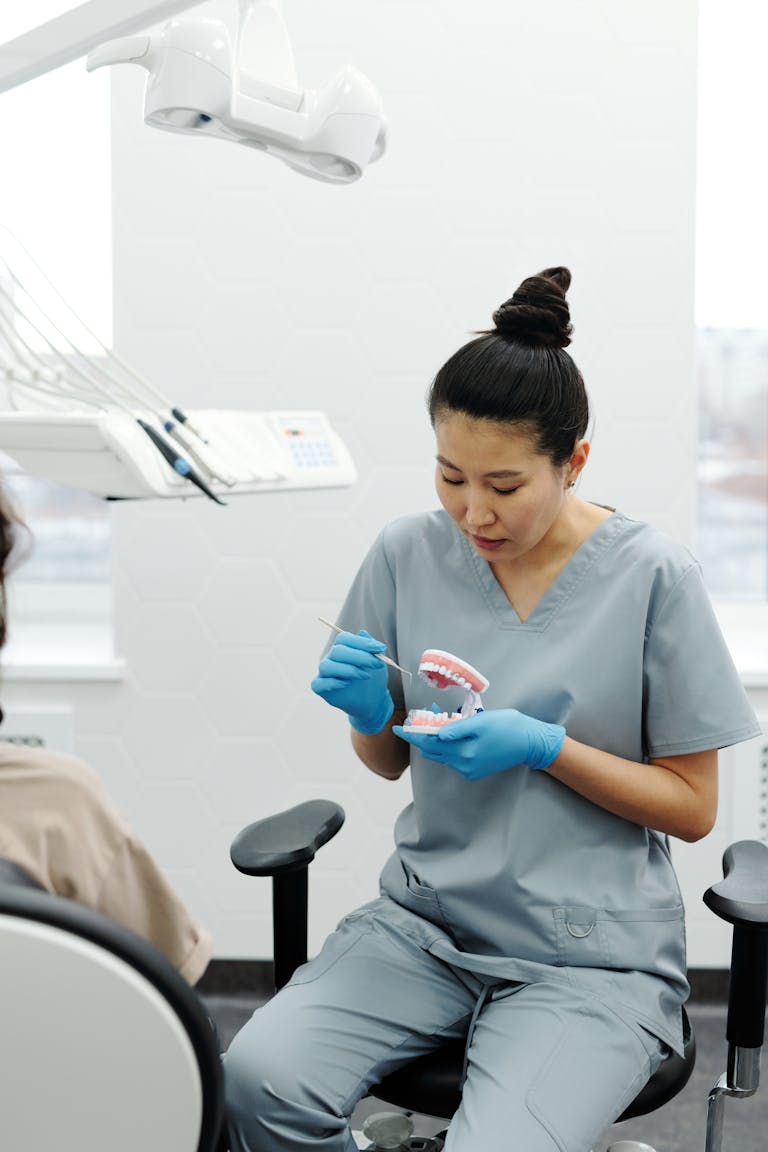
A new or recently relined partial denture can feel awkward at first, but sharp pain, persistent sore spots, looseness, or clicking are not part of normal break-in. Learn what to expect, what not to ignore, and when a professional adjustment, reline, repair, or replacement may be needed.
End of content
End of content